Twelve Karatsu Pottery Artists Exhibition - Tea Ceremony Ceramics and Sake Vessels
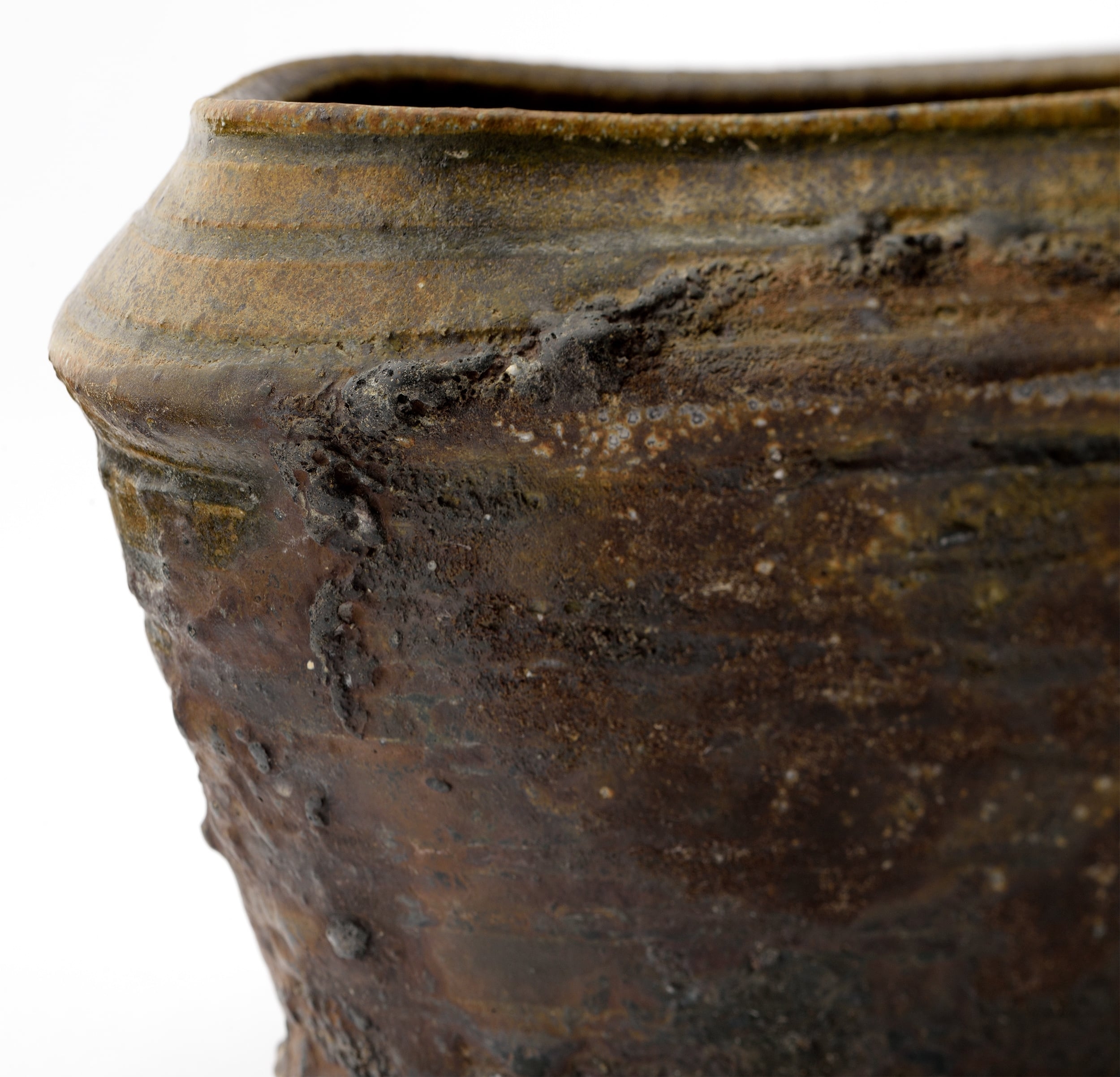
Karatsu Ware 12 Ceramic Artists Exhibition -Chanoyu Pottery and Drinking Vessel
| Exhibition period Schedule |
February 24, 2022 (Thu) – March 2 (Wed) February 24 - March 2, 2022 |
| Gallery opening hours Opening Hours | From 11:00 AM to 7:00 PM (until 5:00 PM on the final day, March 2nd) Open every day during the exhibition period. Open daily 11 am to 7 pm except for Feburury 24, when the gallery will close at 5 pm. |
| Exhibiting artist Artist | Sakurei Okamoto Okamoto Sakurei Yasumoto Kajiwara Kajihara Yasumoto Kiyomi Kawakami Kawakami Kiyomi Masahiro Takehana Takehana Masahiro Sajirou Tanaka Tanaka Satjiro Taki Nakazato Nakazato Taki Tarouemon Nakazato the 14th generation. Dohei Fujinoki Fujinoki Dohei Rui Mitoh Mito Rui Raizan Yasunaga Yanaga Raizan Naoto Yano Yano Naoto Keiko Yoshino Yoshino Signko (Alphabetical order) |
| Introduction Introduction |
Many people who appreciate the Joseon Dynasty also appreciate Karatsu ware. Perhaps it's because they share a similar aesthetic. However, it seems that he doesn't necessarily like Takatori, Ueno, or Satsuma pottery, which were made by potters who came from the Korean Peninsula. So why Karatsu?
I believe that Karatsu is, above all, about "freedom." In comparison, Takatori and Ueno seem somewhat formulaic, perhaps because they strongly reflect the tastes of their feudal lords. Compared to the simple and natural Karatsu ware, Takatori ware is more refined, which is likely due to the guidance of Oribe and Enshu.
When you delve into the charm of Karatsu ware, you inevitably arrive at tea ceremony pottery and sake vessels. Tea ceramics are vessels used to create the atmosphere of the tea ceremony. Haruzo Hayashiya, a leading expert in tea ceremony ceramics, wrote, "I have come to the realization that tea bowls are not something to be 'looked at' but rather something to 'converse with.' And that those that speak deeply are the ones that are truly 'masterpieces'" (from "Masterpieces Speak"), which are intriguing words. If I could create even one such masterpiece, I would have no regrets as a ceramic artist. That's where the difference between a rice bowl and a tea bowl used for the tea ceremony lies.
Karatsu sake cups are highly coveted among sake enthusiasts, often referred to as "Bizen sake bottles, Karatsu sake cups." Both tea bowls and sake cups are meant to be held and enjoyed. You can't truly appreciate Japanese pottery until you use it, and it's fair to say that this is where a uniquely Japanese aesthetic lies.
The 7th "Twelve Karatsu Ware Artists Exhibition" showcases the unique Karatsu ware styles of twelve different artists. We would love for you to visit us.
Sakurei OkamotoThis "Yellow Karatsu Yamase Tea Bowl" is a masterpiece created with utmost effort, employing a complete oxidation firing process. This atmosphere can only be created with the light-colored soil of Yamase. As an accent, a slight greenish ochre is visible both inside and outside the rim. He has mastered the techniques of old Karatsu ware, expressing his own unique aesthetic.
Yasumoto KajiwaraThis "Ryokan-style tea bowl" is a type of tea bowl that the artist has recently become fascinated with. Ryōkan, who lived a simple life, is said to have used a cracked tea bowl that he picked up from a bamboo grove for a long time. This large, flat tea bowl was inspired by that anecdote. There are two cracks in the rim, which have been carefully repaired with gold.
Kiyomi KawakamiThis "Black Karatsu Water Jar" is a unique black Karatsu ware unlike any other Karatsu ware before it. Therefore, several types of glazes are mixed together and blended. After shaping on the potter's wheel, several grooves are made using something like a chopstick to express movement. Furthermore, the front of the piece is tilted towards the embers of the kiln, creating a dramatic charring effect and adding visual interest.
Masahiro TakehanaThis Karatsu tea bowl is an elegant piece made from local sandstone from Iwaki, and glazed with a transparent glaze made from the same Iwaki clay. The individual characteristics are deliberately toned down so that the owner can easily raise and care for the plant. That is likely the author's message. This is a tea bowl whose charm is revealed through use.
Sajirou TanakaThis "E-Karatsu Handled Bowl" is a powerful, square bowl with a wooden base. The prototype for the handled bowl is probably a bamboo basket. This applies specifically to kaiseki tableware; from a practical standpoint, handles are unnecessary. However, I think that the addition of a handle creates a space that evokes the tea ceremony.
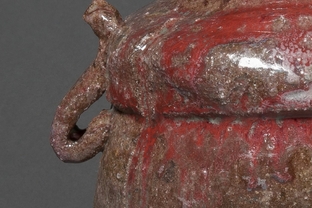
Taki NakazatoThe "Madara Karatsu Eared Water Jar" is a simple, upright, cylindrical water jar with small handles on both sides. The entire piece is decorated with a fine, rope-like pattern, and then a mottled glaze is applied over it. The contrast between the reddish-brown color and the white mottled glaze is beautiful. This is a straightforward work, typical of this author.
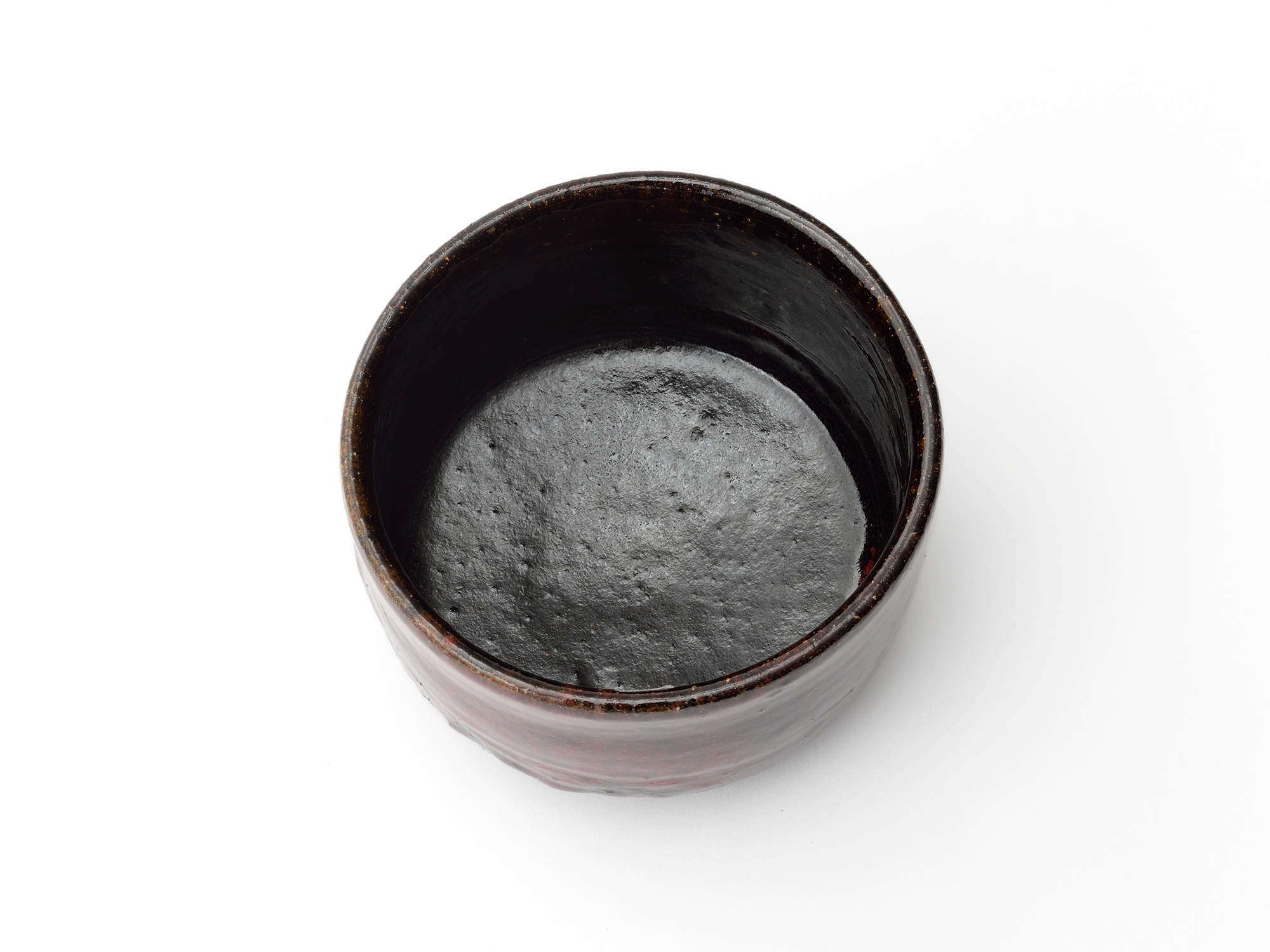
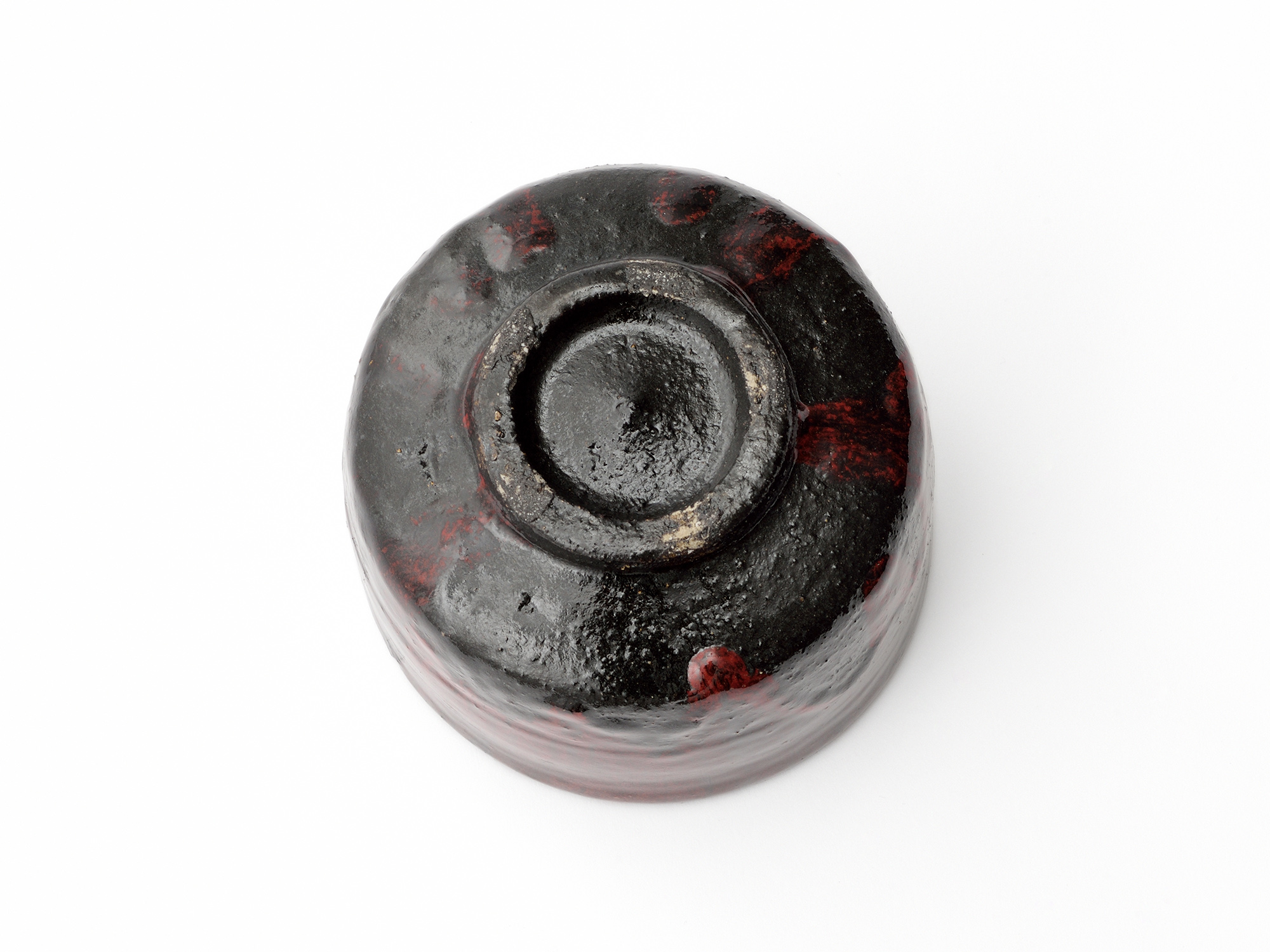
Tarouemon NakazatoThe "Karatsu Black Tea Bowl" is a cylindrical tea bowl made of black clay. After shaping on a potter's wheel, an iron glaze is applied, followed by a glaze made by mixing red pigment into straw ash, and then it is fired. This is a new challenge by the 14th generation Tarouemon Nakazato , something unprecedented in Karatsu.
Dohei FujinokiThe "E-Karatsu Tea Bowl" depicts the character for "horse" using pictographic characters, with the head to the right and the tail to the left. This tea bowl is the first piece fired in the newly rebuilt climbing kiln. There is an ancient legend that using a work of art depicting this left-facing horse will prevent strokes. This tea bowl was made to capitalize on that auspicious symbolism.
Rui MitohThis "Black Karatsu Tea Bowl" is a tea bowl made from clay from Sari in Higashimatsuura District, and fired after being coated with iron glaze and wood ash. At the very end of the firing process, the tea bowls are dropped directly onto the firewood, creating a unique, weathered appearance. The appeal of black Karatsu ware lies in its profound hues, which can never be expressed with a single color.
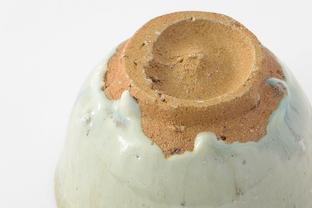
Raizan YasunagaThe "Whale Skin Tea Bowl" is a tea bowl with many points of interest. This tea bowl is rather small and shoe-shaped, with a rim that resembles a mountain path and is coated with iron glaze. The tea reservoir is visible inside, and the carving of the base is interesting. The transparent glaze that extends all the way to the base creates a magnificent sight. This is a bowl of tea that is uniquely this writer's creation.
Naoto YanoThis "Madara Karatsu Guinomi" is a neat, cylindrical sake cup with a flared rim. The clay used is sandstone from Kitahata, and the glaze is made by mixing the same sandstone with wood ash and straw ash. The way the mottled glaze develops varies depending on the season; in winter, perhaps due to the lower humidity, it tends to develop a whiter glaze.
Keiko YoshinoThe "E-Karatsu Katakuchi Sake Server" has a wonderfully generous form that is very pleasing to the eye. This generosity of spirit is likely an innate quality of this writer. On the other hand, the "Sand-Spotted Sake Cup" is made not from the traditional straw ash, but from a mixture of sandstone and wood ash, and the glaze flowing over the inside and outside creates a magnificent spectacle.
Kouichi Mori (Art critic, Standing Director of the Japan Ceramic Society) |
| Biography Biography | ◀ Sakurei Okamoto Okamoto Sakurei Born in Karatsu City, Saga Prefecture in 1958. 1978: Studied under Shigetoshi Nakazato. 1989: Established a workshop at the current location. In 1999, I learned pâte de verre at the Notojima Glass Studio. 2008 Solo Exhibition (Nomura Museum of Art, Kyoto) Numerous other solo exhibitions. Currently, part-time lecturer at Saga University, member of the Saga Prefectural Ceramics Association. ◀ Yasumoto Kajiwara Kajihara Yasumoto Born in 1962 in Minamihata, Imari City, Saga Prefecture. 1980: Graduated from Arita Technical High School, Department of Design, and apprenticed at Taiko Sannomaru Kiln, a Karatsu ware pottery studio. In 1989, I studied under Mr. Kitamine Daimaru and learned about sencha tea ceremony utensils. August-November 2003: Overseas training in South Korea September 2005: NHK BS2 broadcast "Reviving the Wabi-style Tea Bowl". June 2007: Appeared on NHK Educational TV's "The Beauty of Things." Pottery making in Yangsan, South Korea in 2012. In 2020, I wrote a series of essays for the Nishinippon Shimbun newspaper. ◀ Kiyomi Kawakami Kawakami Kiyomi Born in 1948 in Tsushima City, Nagasaki Prefecture. 1980: Graduated from Aichi Prefectural Seto Ceramics Training School, and subsequently trained in Karatsu and Bizen. In 1986, he studied under Sajirou Tanaka Established in 1988 in Handa, Karatsu City. Solo exhibitions held at department stores and galleries throughout Japan since 1990. ◀ Masahiro Takehana Takehana Masahiro Born in Tokyo in 1974. In 2000, I trained for three years at Aya Kiln in Karatsu. In 2003, a split-bamboo climbing kiln was built in Kyōki Town. 2004: First firing of the kiln Since then, he has held solo and group exhibitions in various locations. ◀ Sajirou Tanaka Tanaka Sajiro Born in Fukuoka Prefecture in 1937. 1965: Began studying Jomon and Yayoi pottery and practicing hand-building. In 1971, he began his pottery-making activities after excavating the ancient kiln site of Hizen Karatsu. In 1975, he built a climbing kiln in Karatsu. In 2004, a climbing kiln was built in South Korea. Solo exhibition at Lotte Department Store in Seoul, South Korea in 2008. Solo exhibition in Geneva, Switzerland, 2014. 2016: Two-person exhibition of works by Munemaro Ishiguro in New York. ◀ Taki Nakazato Nakazato Taki Born in Karatsu City, Saga Prefecture in 1965. In 1988, I began working with pottery under the guidance of my father, Takashi Nakazato In 1993, exhibited in a three-person exhibition at Kakiden Gallery with Takashi Nakazato and Oku Sanjuro. 1994: Exhibited at a father-son exhibition at Manyodo Miyuki store. In 1995, she held her first solo exhibition at Isetan Shinjuku. Since then, she has held solo exhibitions in various locations. 2006: A new climbing kiln was designed and constructed. In 2019, the Ryuta Kiln 3rd Generation Takashi Nakazato , Taiki, and Kenta held a pottery exhibition at Manyodo Miyuki Store. ◀14th Tarouemon Nakazato Nakazato Tarouemon Born in 1957 as the eldest son of the 13th generation Tarouemon Nakazato . 1984: First selected for the 16th Nitten Exhibition: "Kai-ryoku" (Shell Green), a hand-painted blue Karatsu ware vase. In 2002, he became a member of the International Academy of Ceramics (I.A.C.) and succeeded to the name of the 14th Tarouemon Nakazato In 2005, his work "Karatsu Ido Tea" was selected for the 52nd Japan Traditional Crafts Exhibition. He was subsequently selected seven more times until 2013. In October 2006, during Their Majesties the Emperor and Empress's visit to Saga Prefecture, they were honored to inspect the Tojinmachi Tea Kiln and Workshop, designated as a national historical site, and to receive an explanation from them. A "Hitaki Korean Karatsu Jar" was presented to Their Majesties by Saga Prefecture. In 2007, became a full member of the Japan Crafts Association. In 2010, he was appointed Vice Chairman of the Saga Prefectural Ceramics Association. In 2011, he received the Karatsu City Municipal Service Award and the Blue Ribbon Medal. ◀ Dohei Fujinoki Fujinoki Dohei Born in Niigata Prefecture in 1949. 1975: Studied under Mr. Hiroshi Ohashi in Karatsu. 1978: Studied under Yoshiemon Kato in Mino Province. In 1980, Tsuchihira Kiln was established in Chinzei-cho, Karatsu City, Saga Prefecture. ◀ Rui Mitoh Mitoh Rui Born in Fukuoka City, Fukuoka Prefecture in 1978. Graduated from the pottery wheel department of Arita Ceramic Art University, Saga Prefecture in 2006, and studied under Kiyomi Kawakami of Karatsu. In 2009, he built a kiln in Karatsu City and became independent. Since then, he has held solo exhibitions at department stores and galleries in various locations. ◀ Raizan Yasunaga Yasunaga Raizan Born in 1970 in Masuda City, Shimane Prefecture. In 2001, he studied under Sajirou Tanaka In 2003, he studied under Dohei Fujinoki . In 2008, a climbing kiln was built at the current location. In 2013, the name was changed to "Raiyama," a name given by Sajirou Tanaka In 2016, a tea ceremony ceramics exhibition was held at the Kyoto Nomura Museum of Art. Selected for the 63rd Japan Traditional Crafts Exhibition 2017: Selected for the 34th Tabe Museum of Art Grand Prize "Tea Ceremony Art Exhibition" Selected for the 7th Kikuchi Biennale 2019: Selected for the 25th Japan Ceramic Art Exhibition. Contemporary Ceramics: Hagi Grand Prize Exhibition V - Honorable Mention Selected for the 8th Kikuchi Biennale 2021: Exhibited at the "Modern Crafts and Tea Ceremony Vessels" exhibition (National Crafts Museum, Kanazawa) ◀ Naoto Yano Yano Naoto Born in Karatsu City, Saga Prefecture in 1976. 1994: Studied abroad in the United States for five years. Graduated from Saga Prefectural Arita Ceramic College in 2002. 2003: Part-time lecturer at Saga Prefectural Arita Ceramic College 2004: Began making pottery at his home, Tonoyama Kiln. 2008: Created pottery for six months in Ulsan, South Korea. 2015: Construction of a split-bamboo climbing kiln. ◀ Keiko Yoshino Yoshino Keiko Born in Imari City, Saga Prefecture in 1972. In 1996, he trained at his father Yasuyoshi Yoshino 's Hazenotani Kiln. 2003: Studied pottery wheel techniques at Arita Ceramic College. In 2006, I studied traditional techniques in Thailand and Vietnam. Since then, he has presented his works in solo and group exhibitions in various locations. In 2013, he became the owner of Hazenotani Kiln. Solo exhibition at Kakiden Gallery, Shinjuku, 2019. |
| Artist in the gallery day Date Artist in Gallery | Yasumoto Kajiwara February 26th (Sat) - 27th (Sun) Sajirou Tanaka Thursday, February 24th 14th generation Tarouemon Nakazato February 27th (Sun) Dohei Fujinoki March 1st (Tuesday) - March 2nd (Wednesday) Rui Mitoh February 26th (Sat) - 27th (Sun) Raizan Yasunaga February 26th (Sat) - 27th (Sun) Naoto Yano February 27th (Sun) - 28th (Mon) Keiko Yoshino February 26th (Sat) - March 1st (Tue) *Please note that due to the impact of the COVID-19 pandemic, there is a possibility that this information may change. |
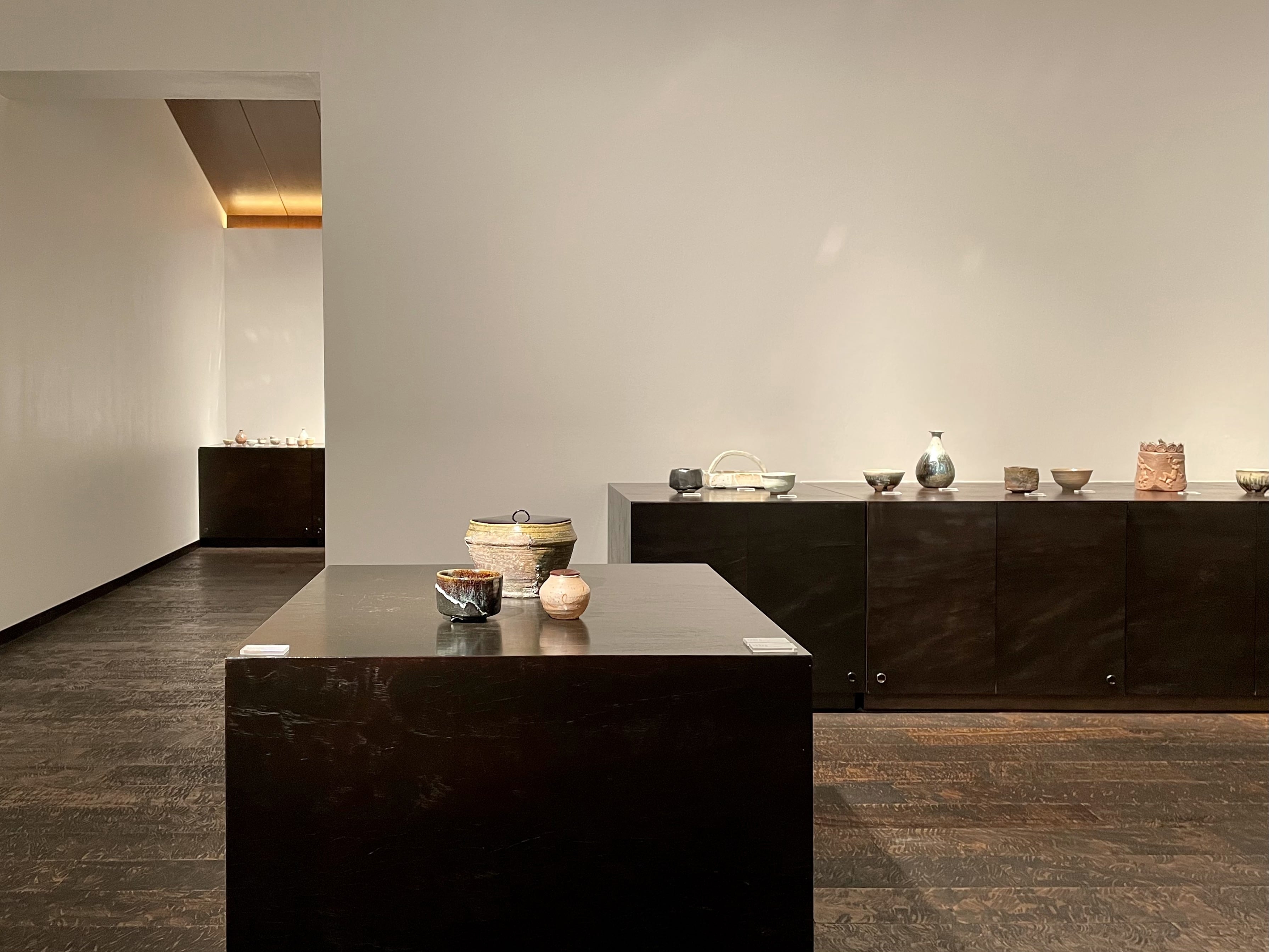
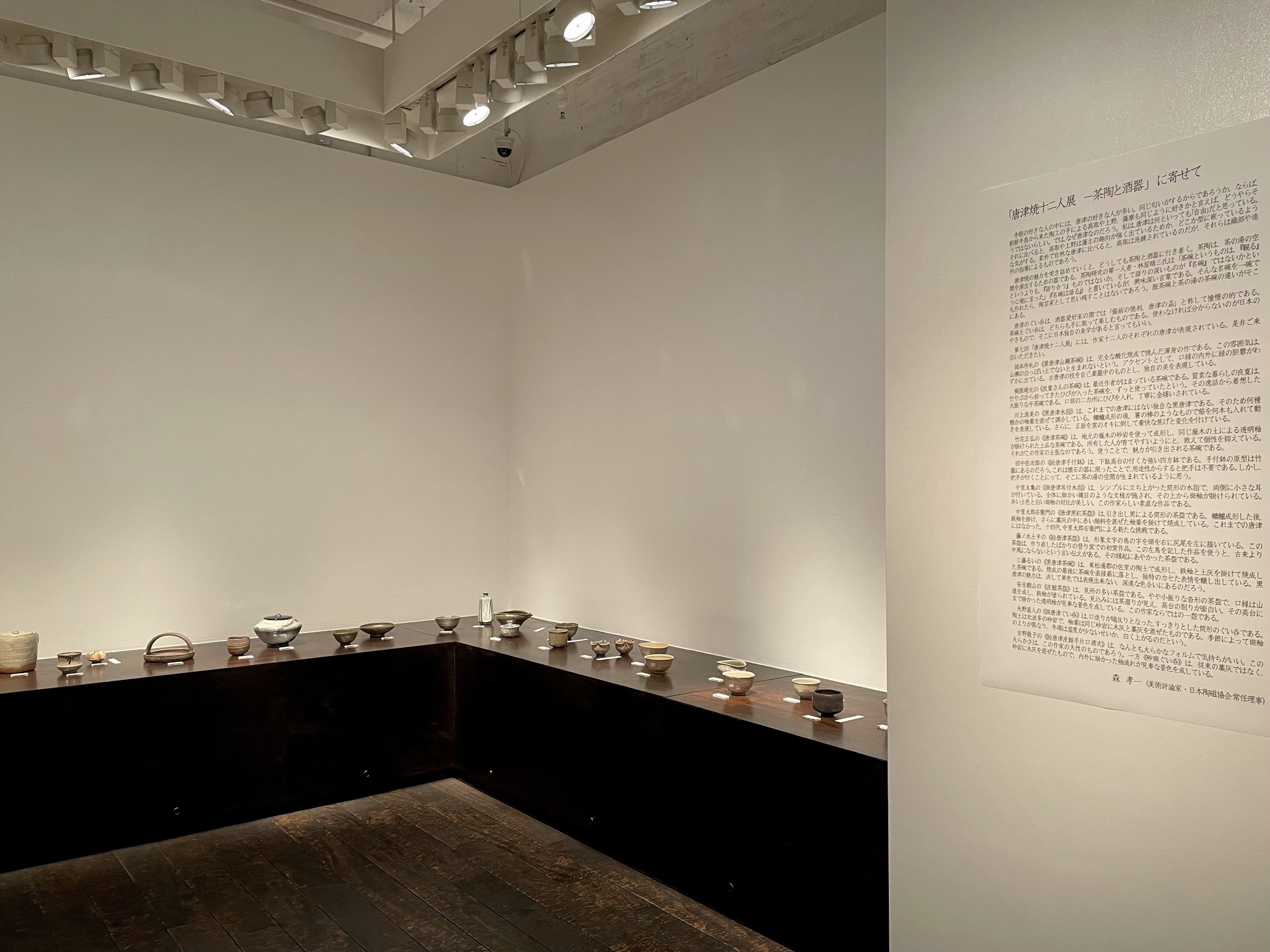
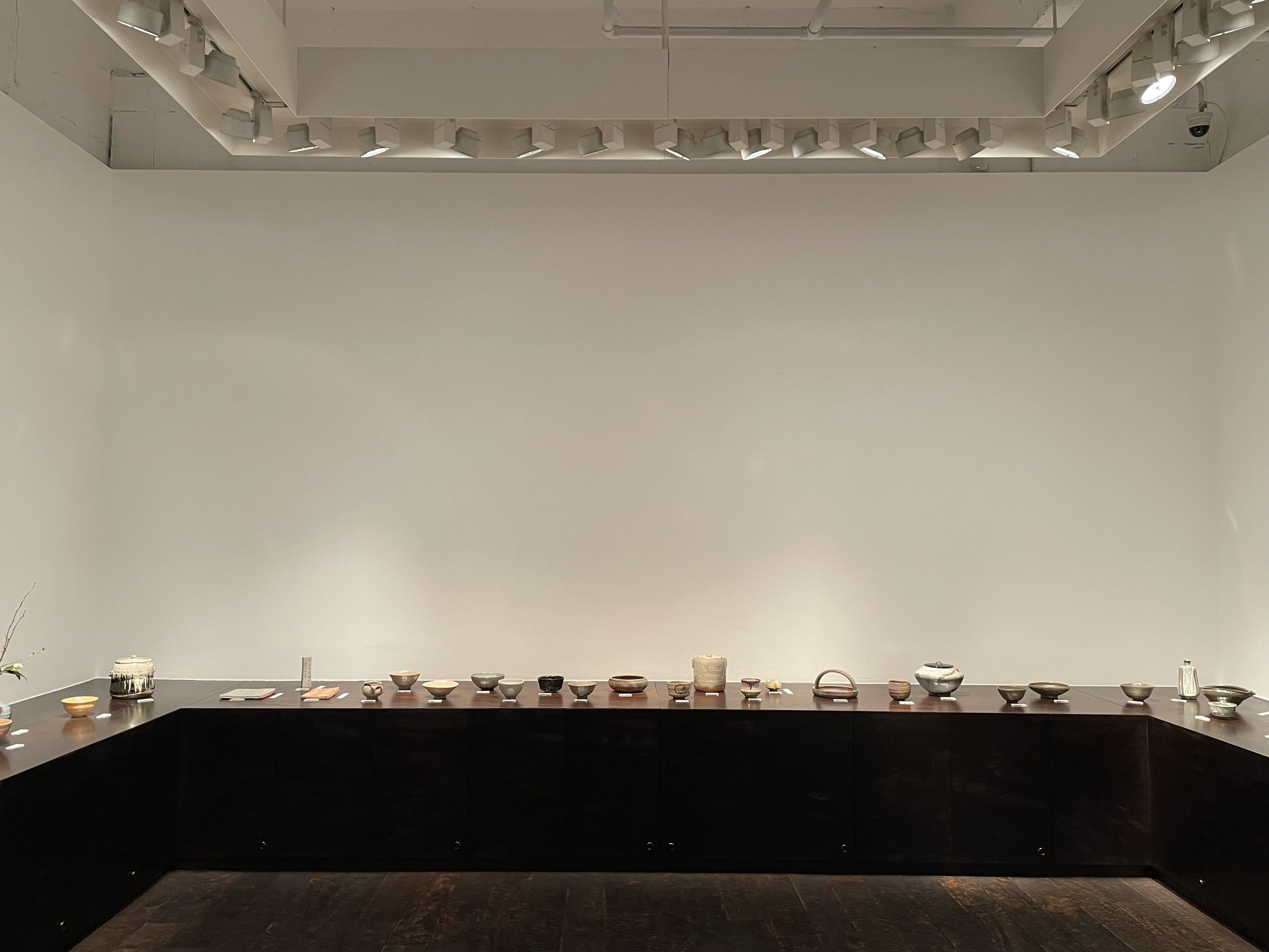
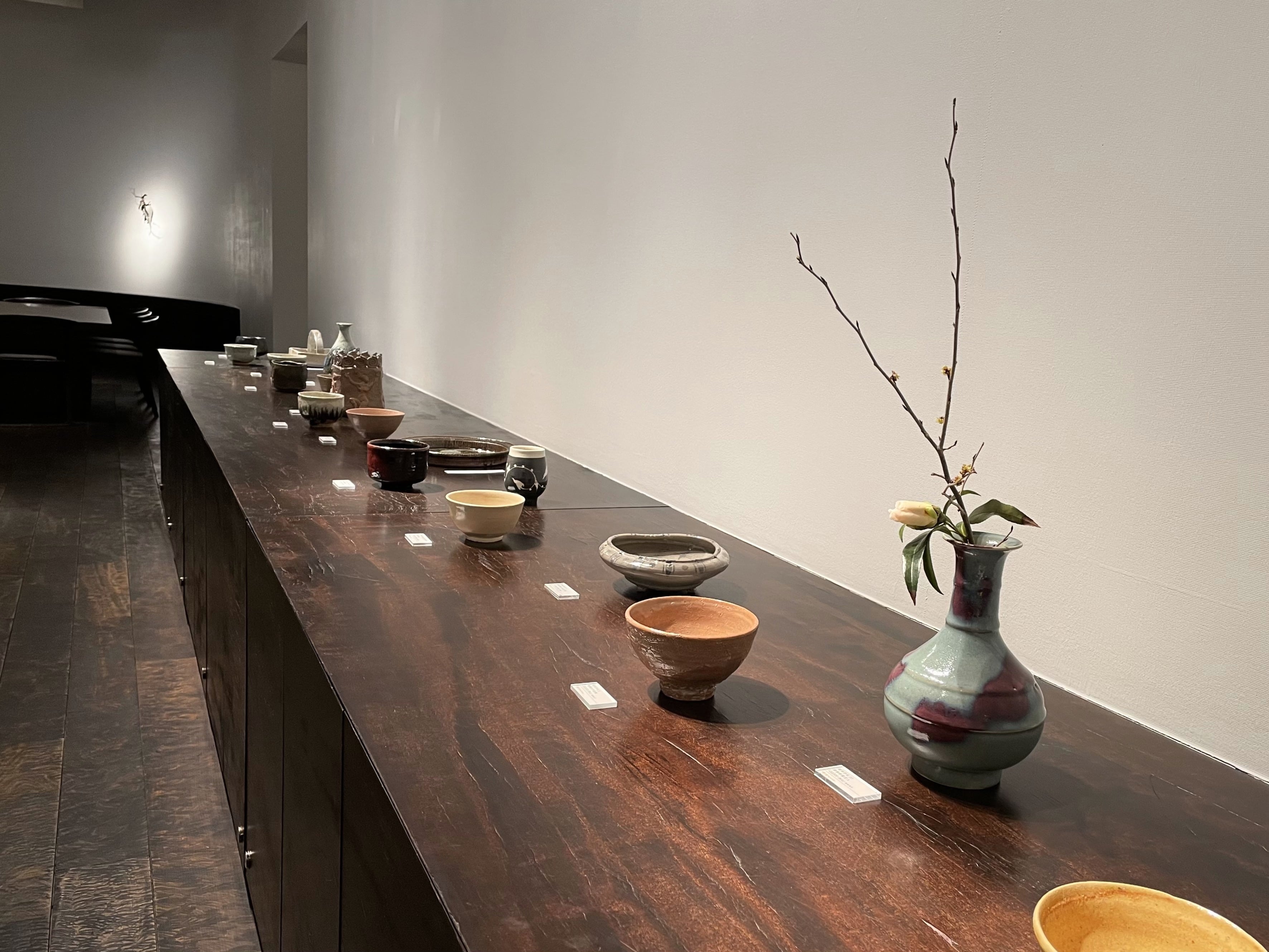
| Exhibited works Exhibited Works | Tea bowls, water containers, tea caddies, flower vases, hanging flower vases, incense boxes, braziers, ash containers, sake cups, sake bottles, sake pitchers, side dishes, bowls, small plates, etc. |
| DM Direct Mail | This exhibitionDMSee(PDF) |
| Video of the exhibition Exhibition Scenery Video | |
| Exhibition view photographs Exhibition Scenery Photo | 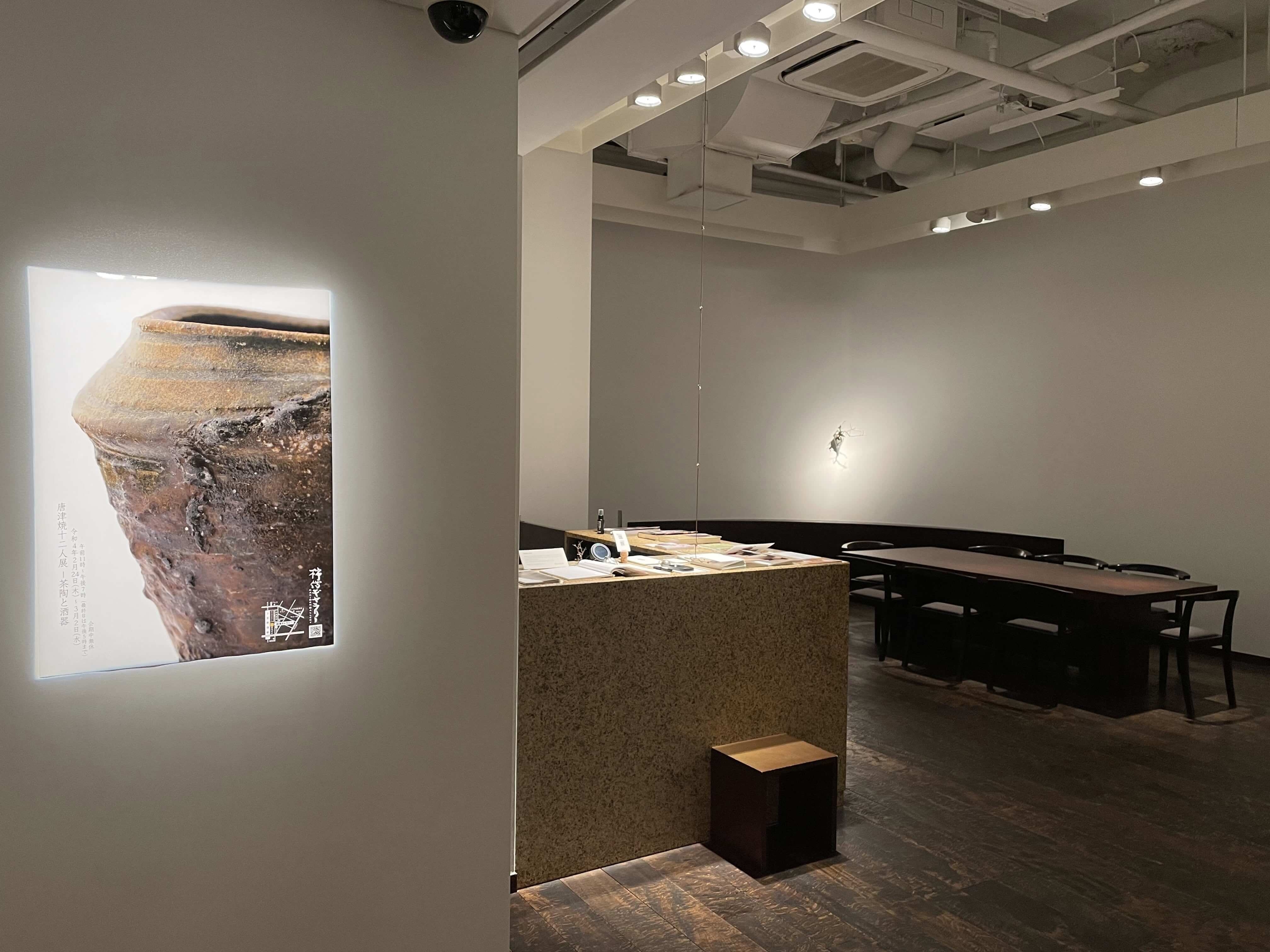
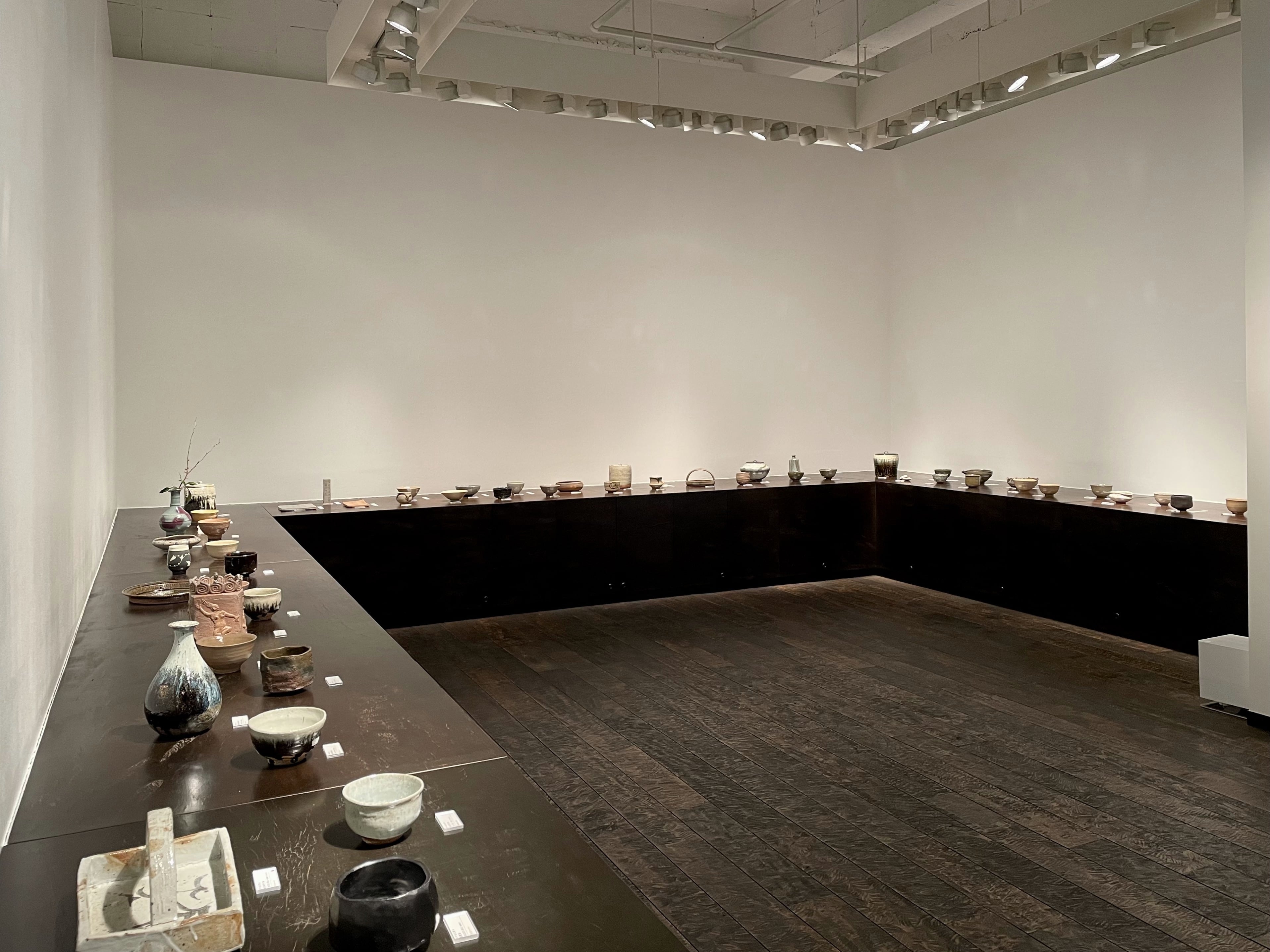
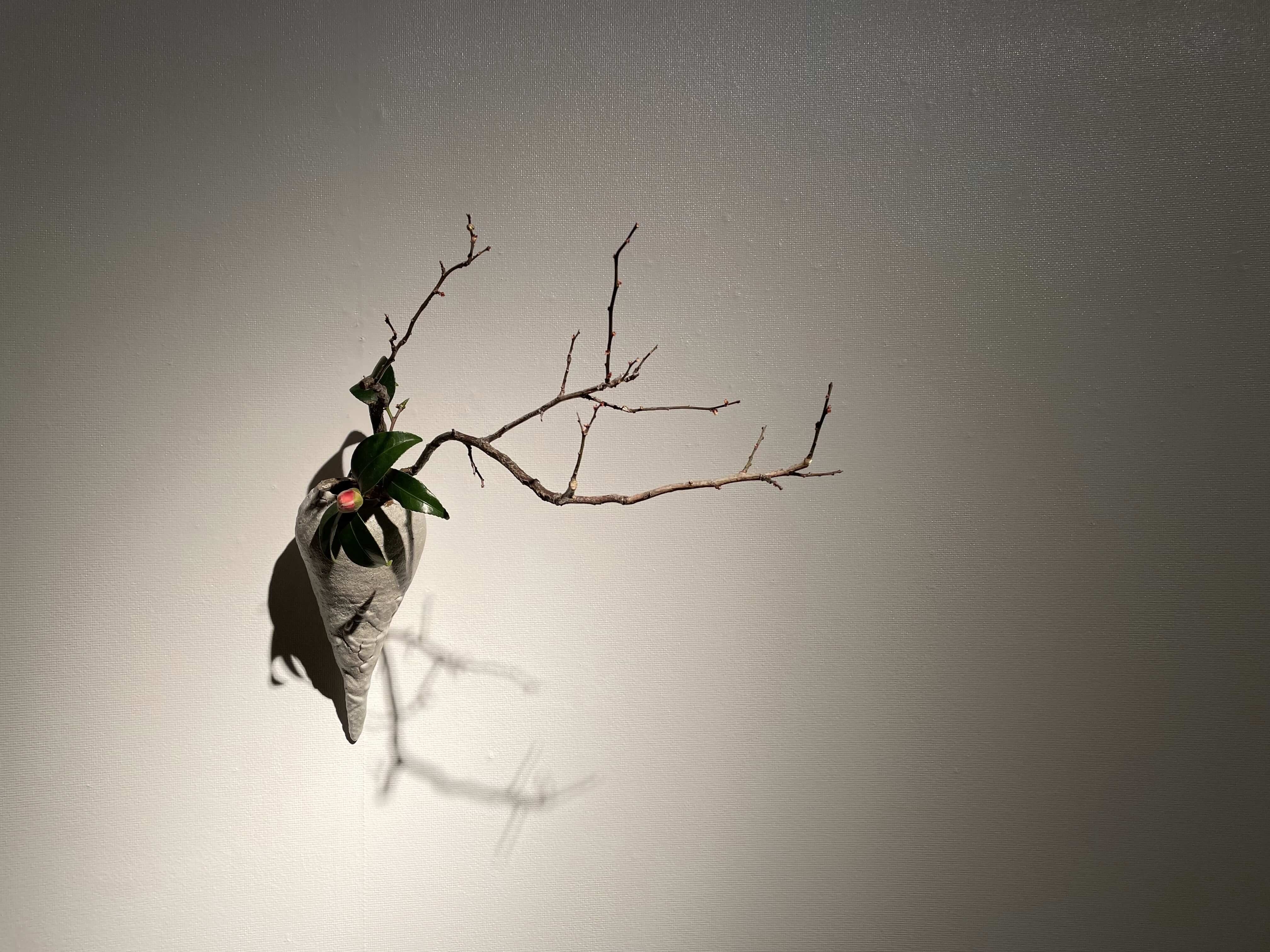
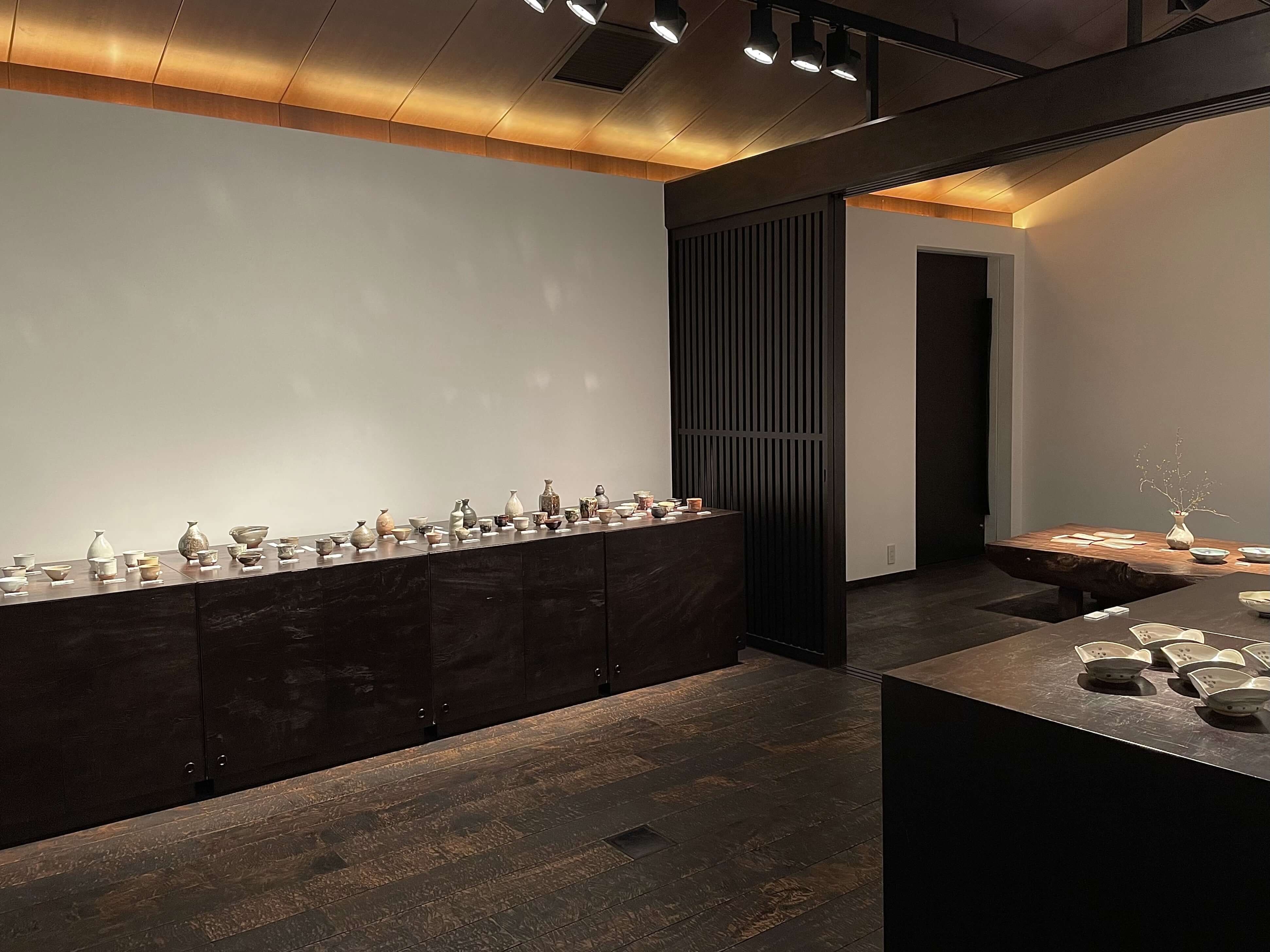
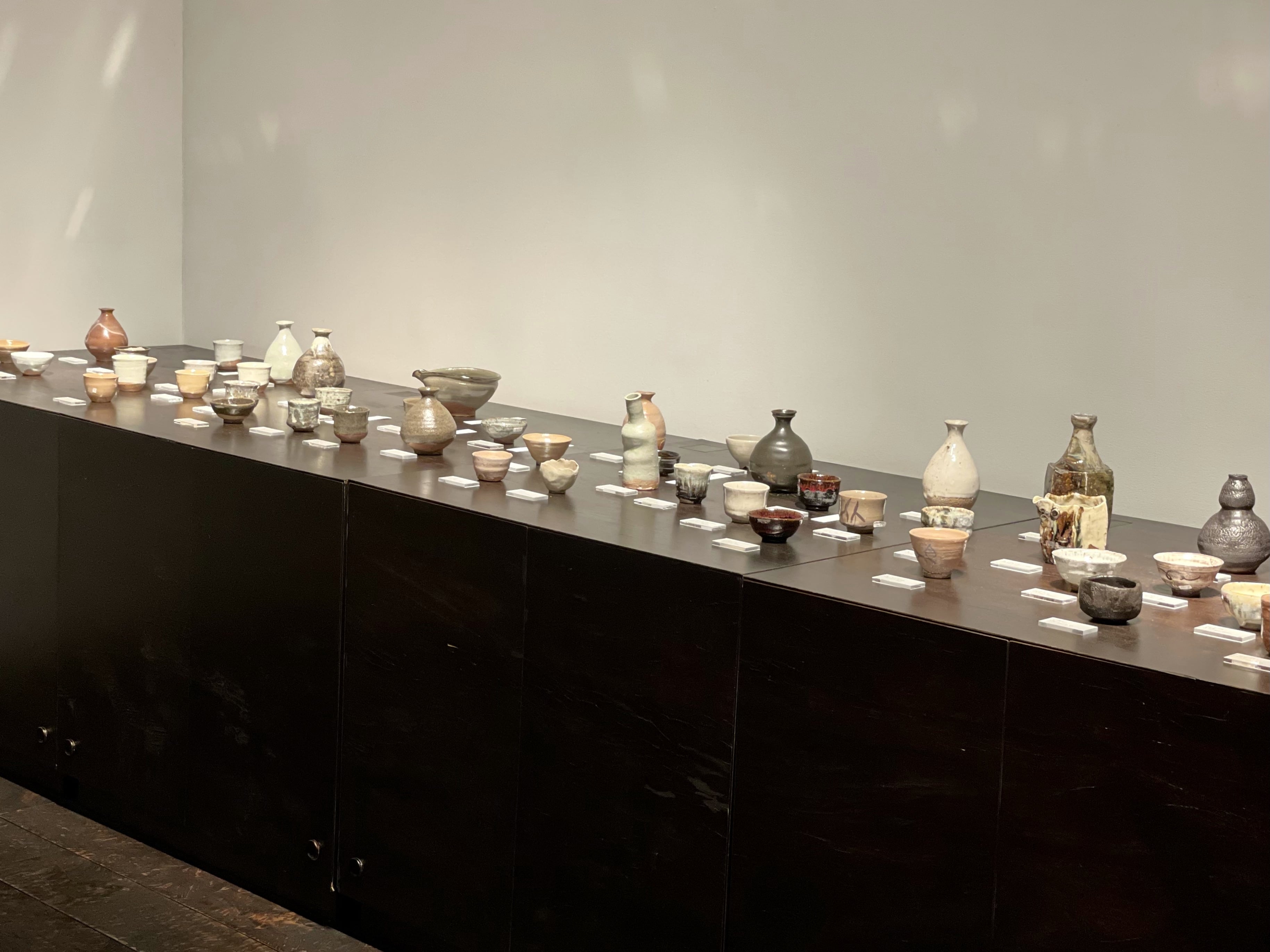

|
| Exhibition history at our gallery Exhibition Archives |
February 14, 2020 (Fri) – February 20 (Thu)
February 23, 2018 (Fri) – March 1 (Thu)
February 23, 2016 (Tue) – February 29 (Mon)
February 10, 2014 (Mon) – February 16 (Sun)
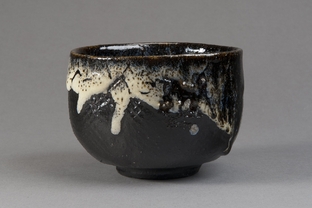
February 10, 2012 (Fri) – February 16 (Thu)
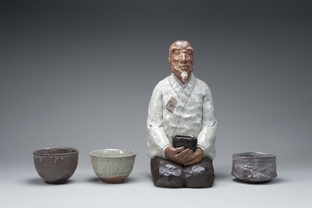
March 15, 2010 (Mon) – March 21 (Sun)
|
| notice Notice | ■Possibility of changes to the event due to the COVID-19 pandemic We regret to inform you that, given the current COVID-19 situation, if we are asked to further restrict business operations, we may have to change the exhibition period and hours, or in the worst-case scenario, hold the exhibition online only. We would appreciate your understanding. We apologize for the inconvenience, but the latest information will be posted on this website and our official social media accounts, so we would appreciate it if you would check there. ■ Measures to prevent the spread of COVID-19 To ensure that all visitors can enjoy their time at our gallery with greater peace of mind, we are implementing the following measures to prevent the spread of COVID-19. We appreciate your understanding and cooperation. 1. A request to our valued customers We have placed alcohol-based hand sanitizer at the entrance of our gallery and the building. We kindly ask that you disinfect your hands upon arrival. Please wear a mask when you go out. Currently, if you have a fever or are feeling unwell, we kindly ask that you refrain from visiting the gallery. If you have visited a doctor or taken medication for fever or a cold within the past two weeks, or if you have traveled abroad, we kindly ask that you refrain from visiting the gallery. To help reduce crowding in the store, we kindly ask that you visit in small groups whenever possible. We regret to inform you that, for the time being, we will be suspending the tea service, including gyokuro tea, which we previously offered to our customers during the COVID-19 pandemic. 2. What our gallery is working on ① High-performance ventilation system "Lossnay" We installed three high-performance ventilation systems, "Lossnay" (manufactured by Mitsubishi Electric), in our gallery on January 6, 2021. This new, powerful ventilation system ensures that all the air in our gallery is replaced every 15 to 20 minutes. In addition, the entrance door is kept open at all times to ensure even better ventilation. ② Carbon dioxide concentration meter A carbon dioxide concentration meter has been installed on the counter as of April 2, 2021. Generally, our gallery's carbon dioxide concentration meter shows readings of 400-480 ppm. The carbon dioxide concentration in the outside air is 415-450 ppm, so the air inside our gallery is roughly the same as that in the city. Please feel free to relax and enjoy your time at our gallery. ③ Thermography We installed a new thermal imaging camera for visitors to our gallery on May 12, 2021. A thermal imaging camera is installed on the wall to the right of the entrance to our gallery. We would appreciate your cooperation in having your temperature taken upon your arrival. We sincerely apologize, but we ask that customers with a temperature of 37.5 degrees Celsius or higher refrain from entering. We appreciate your understanding. ④ Disinfectant alcohol For hand sanitizing, I use disinfectant solution from Shiseido. It contains moisturizing ingredients that are gentle on the hands, and has been well-received by our customers. ⑤ Daily cleaning We will further strengthen our daily cleaning procedures. We regularly disinfect with alcohol-based disinfectants on surfaces that customers and staff frequently touch, such as elevator buttons, tables and chairs, entrance door and toilet handles, and brushes and pens, even during business hours. ⑥ Entry restrictions If our gallery becomes crowded with many visitors and we determine that it is becoming too close to the public, we may ask you to limit entry to the gallery. ⑦ Staff health management and PCR testing Our gallery staff will wear masks, undergo temperature checks and health monitoring, and thoroughly disinfect their hands with alcohol while serving customers. On February 28, 2022, all staff members underwent PCR testing (the eighth time since the start of the COVID-19 pandemic), and all tested negative. We will continue to conduct PCR tests once a month. We sincerely look forward to your visit to our gallery. And please take extra care of yourself. |
| special tea party Tea Party | ■Special commemorative tea ceremony: "Rainwater Tea Ceremony" We will be holding a special commemorative tea ceremony, "Rainwater Tea Ceremony," in the tea room located above the Kakiden Gallery. The host will be Keiko Yoshino one of the exhibiting artists. Of course, in light of the COVID-19 pandemic, we will implement infection prevention measures with the safety and security of all attendees as our top priority. Beginners who have never participated in a tea ceremony before are more than welcome, so please feel free to come and enjoy a cup of tea using tea utensils associated with Karatsu. We look forward to receiving your applications. Date and Time: Tuesday, March 1st, 11:00 AM (one seat available) • Host: Keiko Yoshino • Location: Shinjuku Kyo-kaiseki Kakiden (Yasuyo Building, 3-37-11 Shinjuku, Shinjuku-ku, Tokyo) Tea ceremony room "Zangetsu (9th floor)", dim sum room "Kokin Salon (6th floor)", reception/donation room "Kakiden Gallery (B2 floor)" * Please gather at the Kakiden Gallery 15 minutes before your seating time. Membership fee: 5,000 yen (tax included) Dress code: Please feel free to wear whatever you like. ・To apply, please register using the button below, or contact Kakiden Gallery by phone, fax, or email. ▸Click here to apply [Contact Information] TEL 03-3352-5118 / FAX 03-5269-0335 e-mail gallery@kakiden.com Phone calls are accepted from 11:00 AM to 7:00 PM (excluding gallery closing days). ▶Measures to prevent the spread of infection We will ensure social distancing in the tea ceremony area. Please be sure to disinfect your hands with the alcohol provided at the reception and building entrance. Please cooperate by having your temperature taken using the thermal imaging camera installed at the reception desk. We regretfully ask that guests with a temperature of 37.5 degrees Celsius or higher refrain from attending. If you have a fever, are feeling unwell, or have visited a doctor or taken medication for fever or a cold within the past two weeks, please refrain from applying. Please wear a non-woven fabric mask except when you are having tea and snacks. We would appreciate it if you would keep conversations to a minimum in the tea room. In the tea preparation area, we will thoroughly implement measures such as taking the temperature of staff, frequent hand washing and alcohol disinfection of hands, ensuring ventilation, and disinfecting tea bowls, individual plates, wooden picks, and tea cloths with boiling water. ・Acrylic partitions will be installed between customers in the dim sum seating area. |
| Main exhibited works Main Exhibited Works |
|
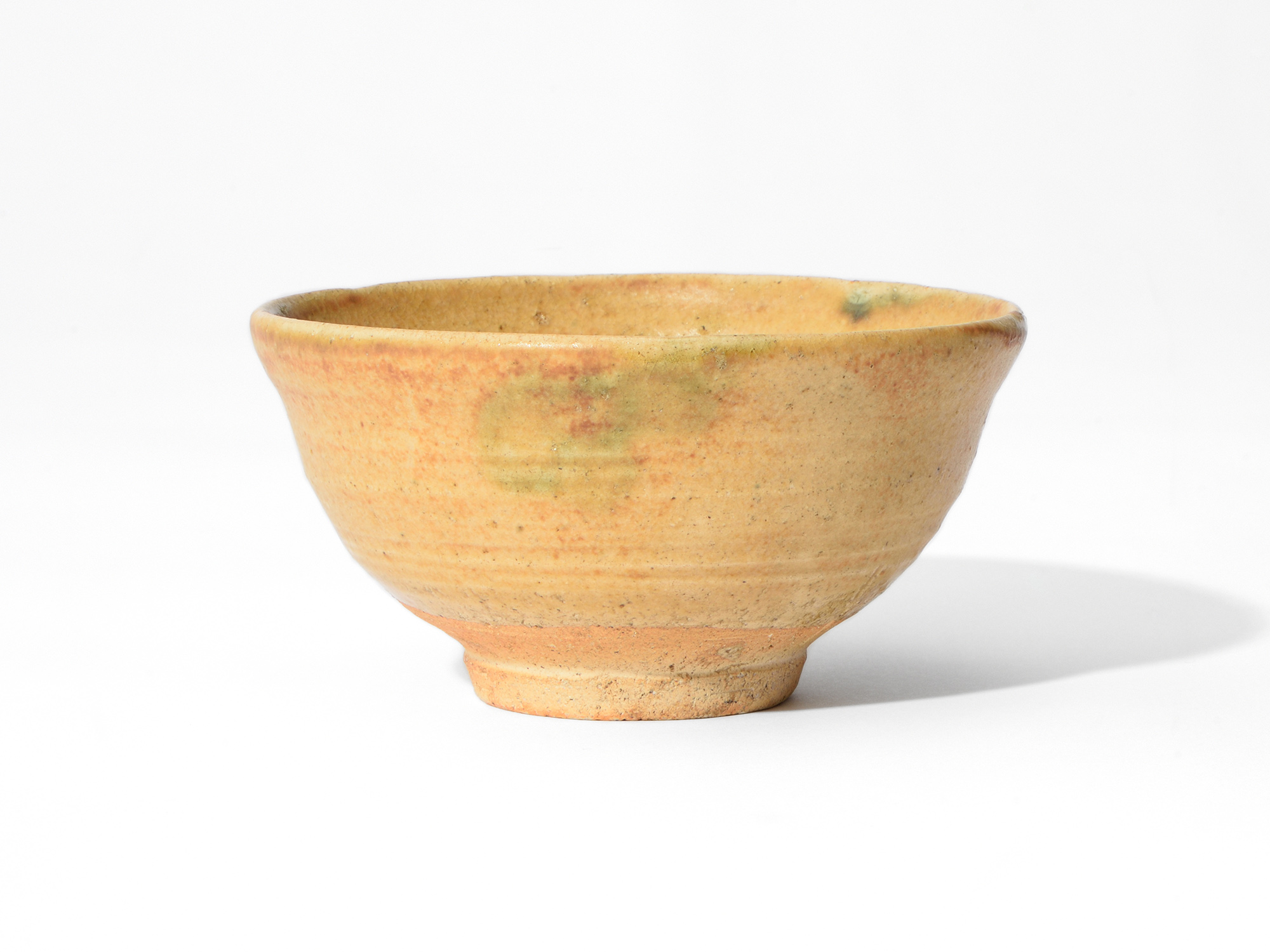
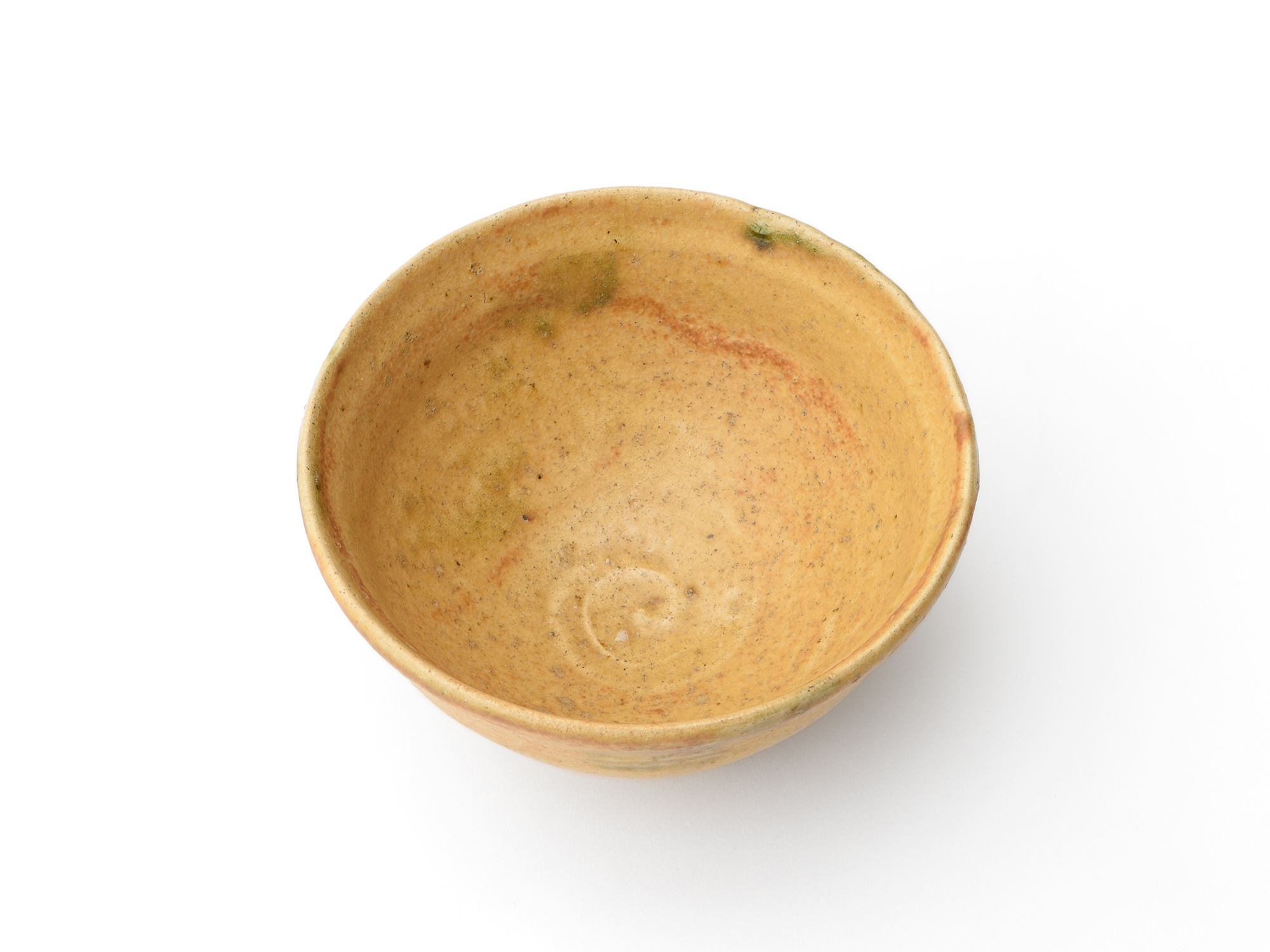
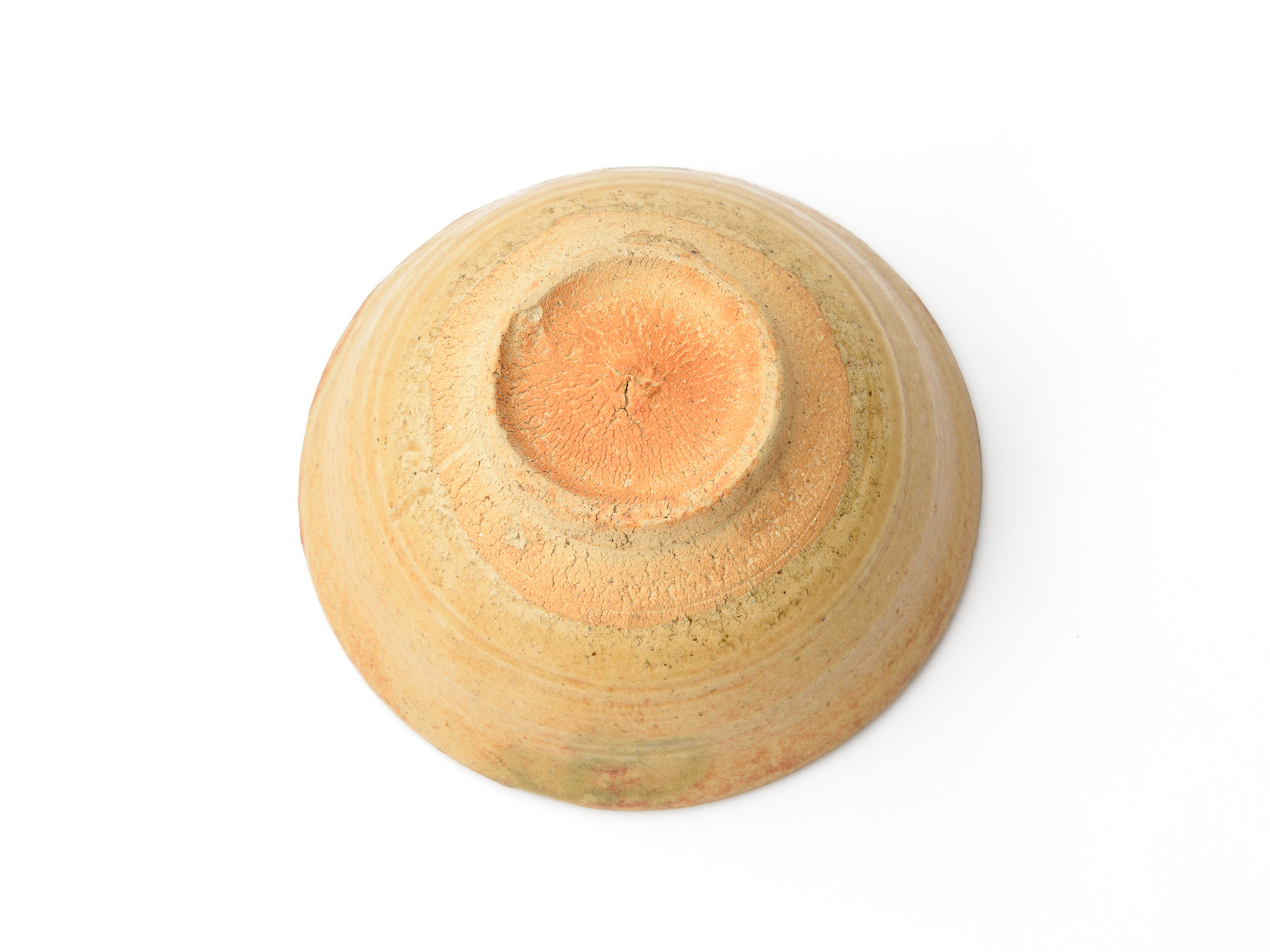
| Author name | Sakurei Okamoto |
| Work name | Yellow Karatsu Yamase Tea Bowl |
| price | 180,000 yen (excluding tax) (198,000 yen including tax) |
| box | Comes with a paulownia wood box (to be delivered later) |
| size | φ14.0 × H7.3(㎝) |
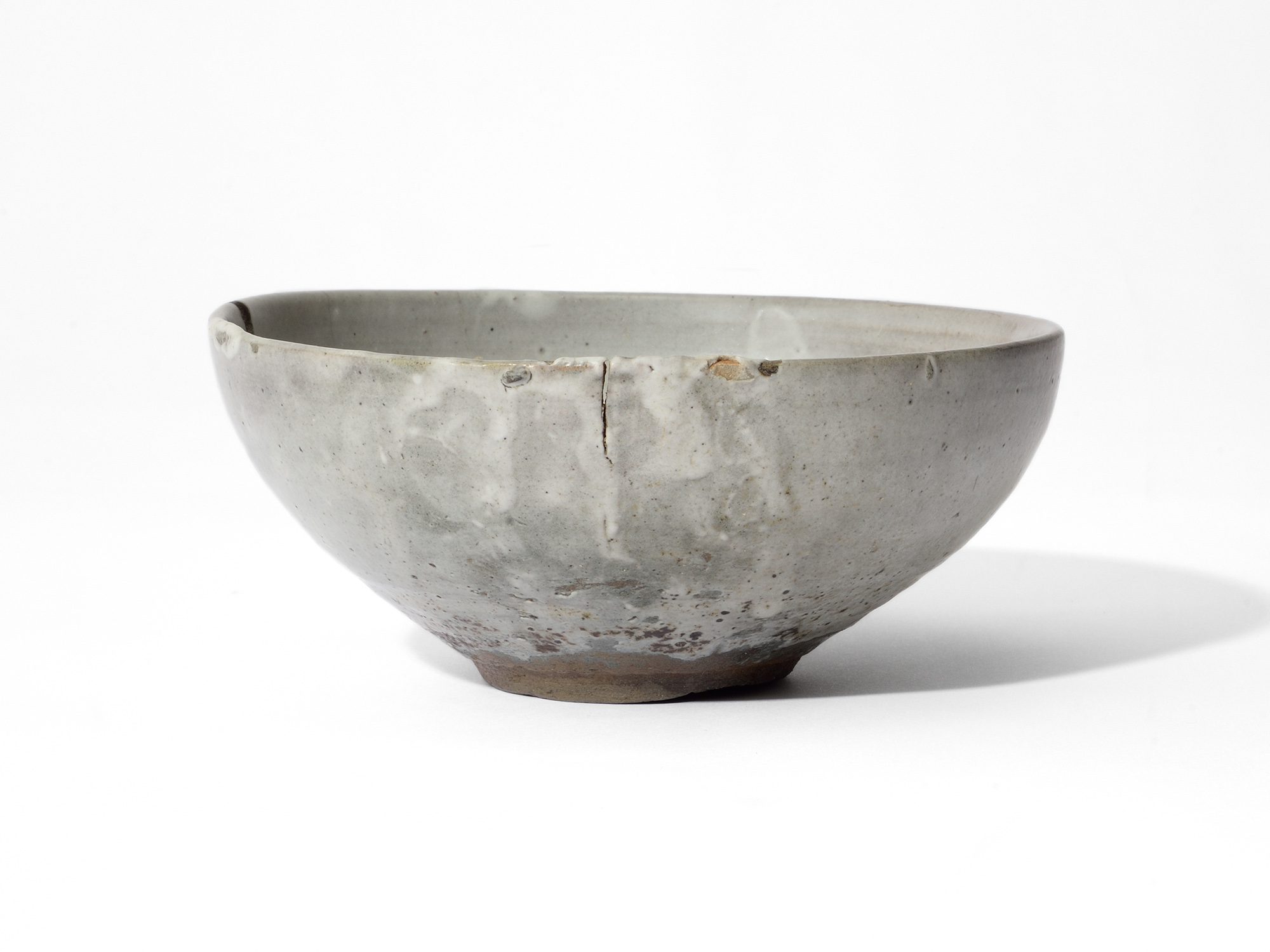
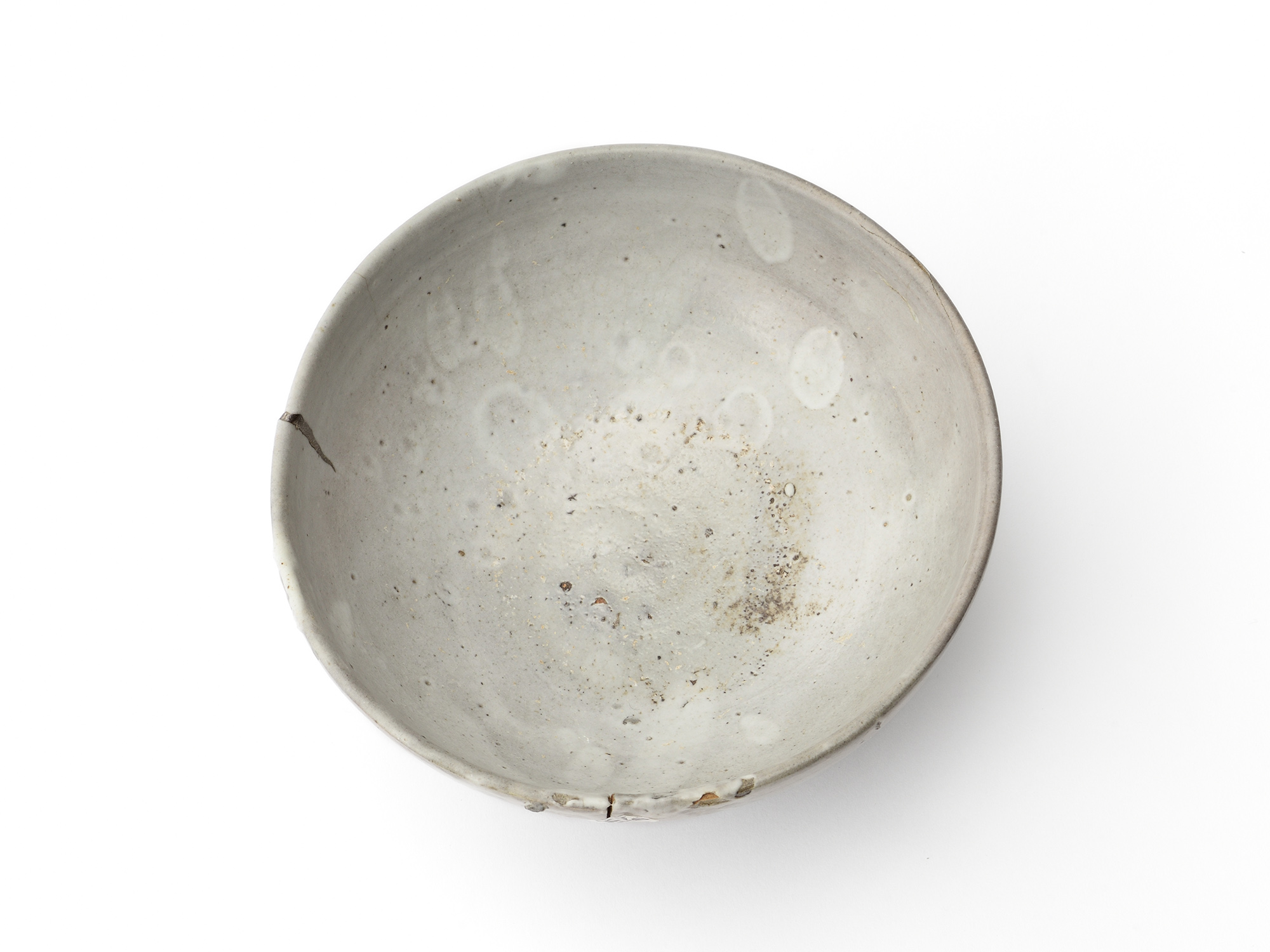

| Author name | Yasumoto Kajiwara |
| Work name | Ryokan's tea bowl |
| price | 130,000 yen (excluding tax) (143,000 yen including tax) |
| box | Comes with a paulownia wood box (to be delivered later) |
| size | φ17.0 × H7.2(㎝) |
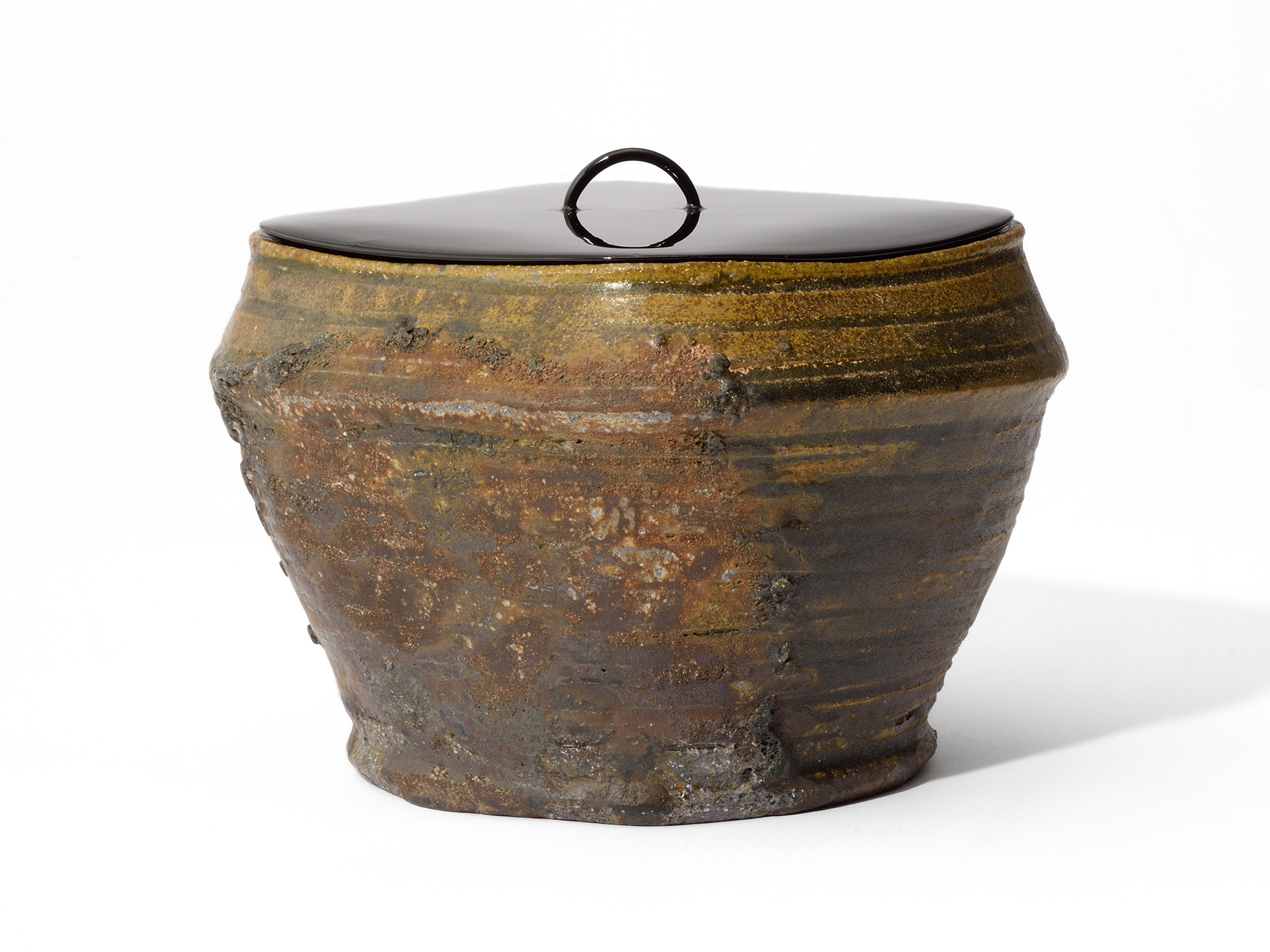
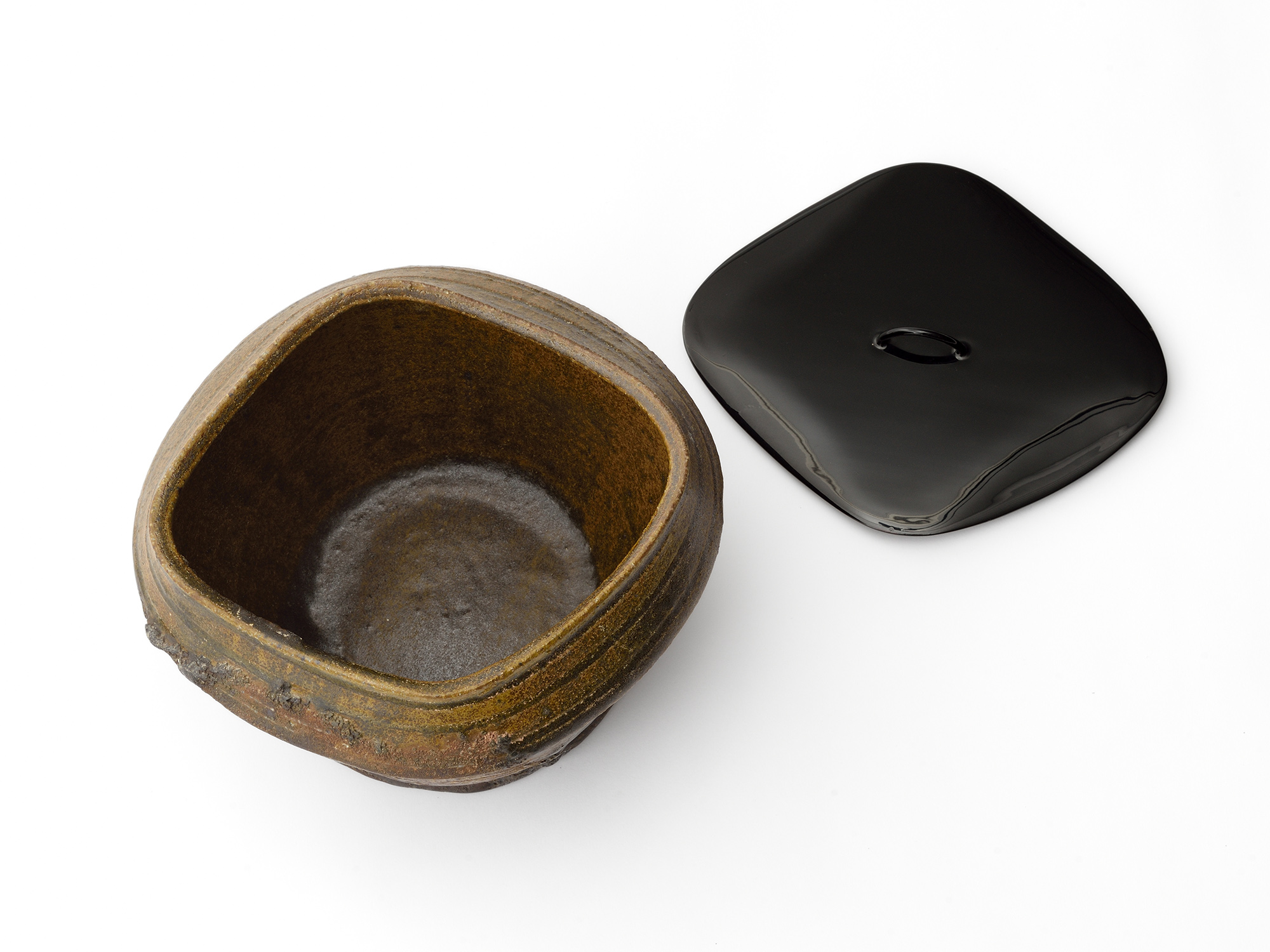
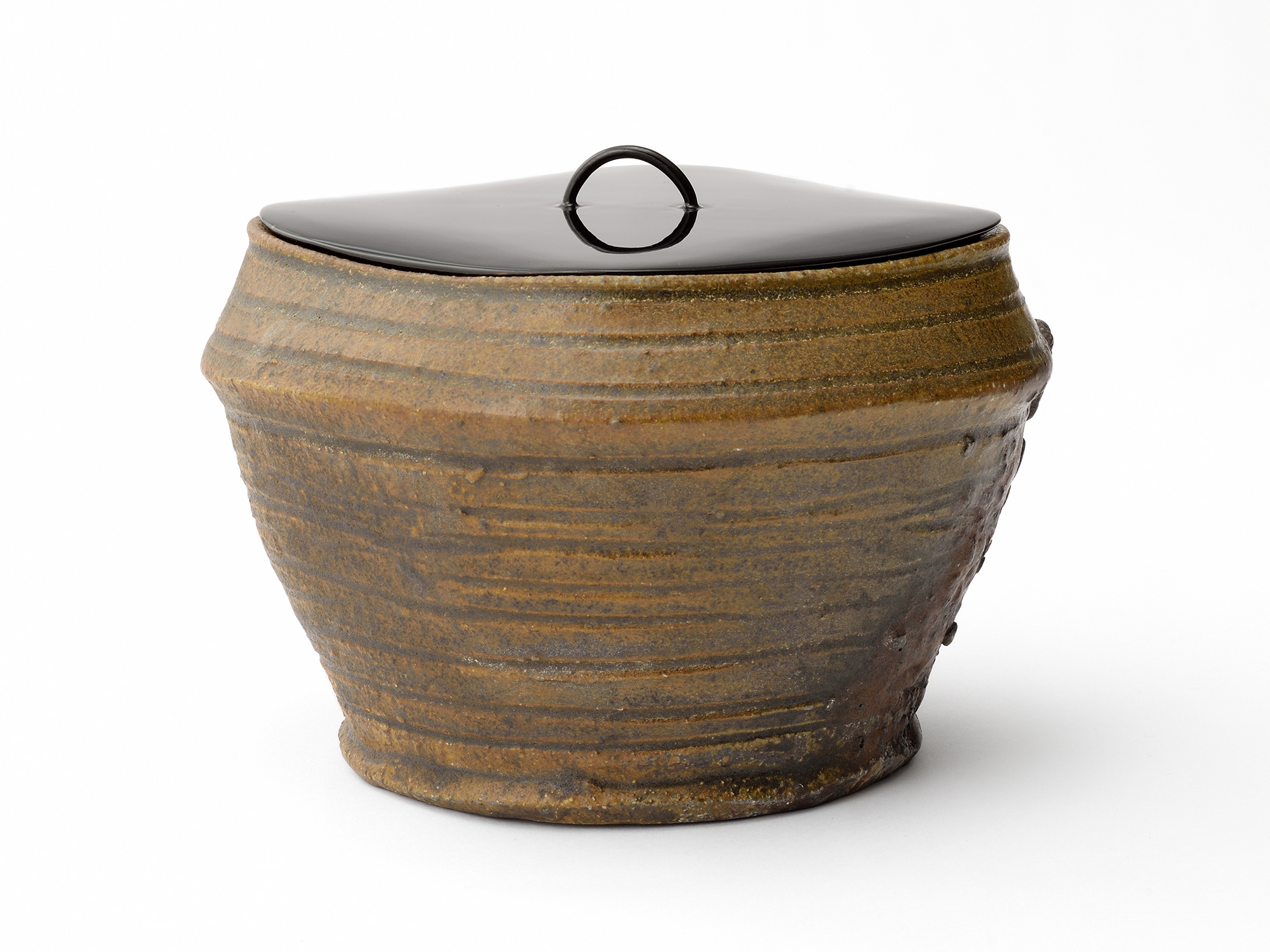
| Author name | Kiyomi Kawakami |
| Work name | Black Karatsu Water Jar |
| price | 300,000 yen (excluding tax) (330,000 yen including tax) |
| box | Comes with a paulownia wood box (to be delivered later) |
| size | W20.6 × D19.0 × H15.0(㎝) |
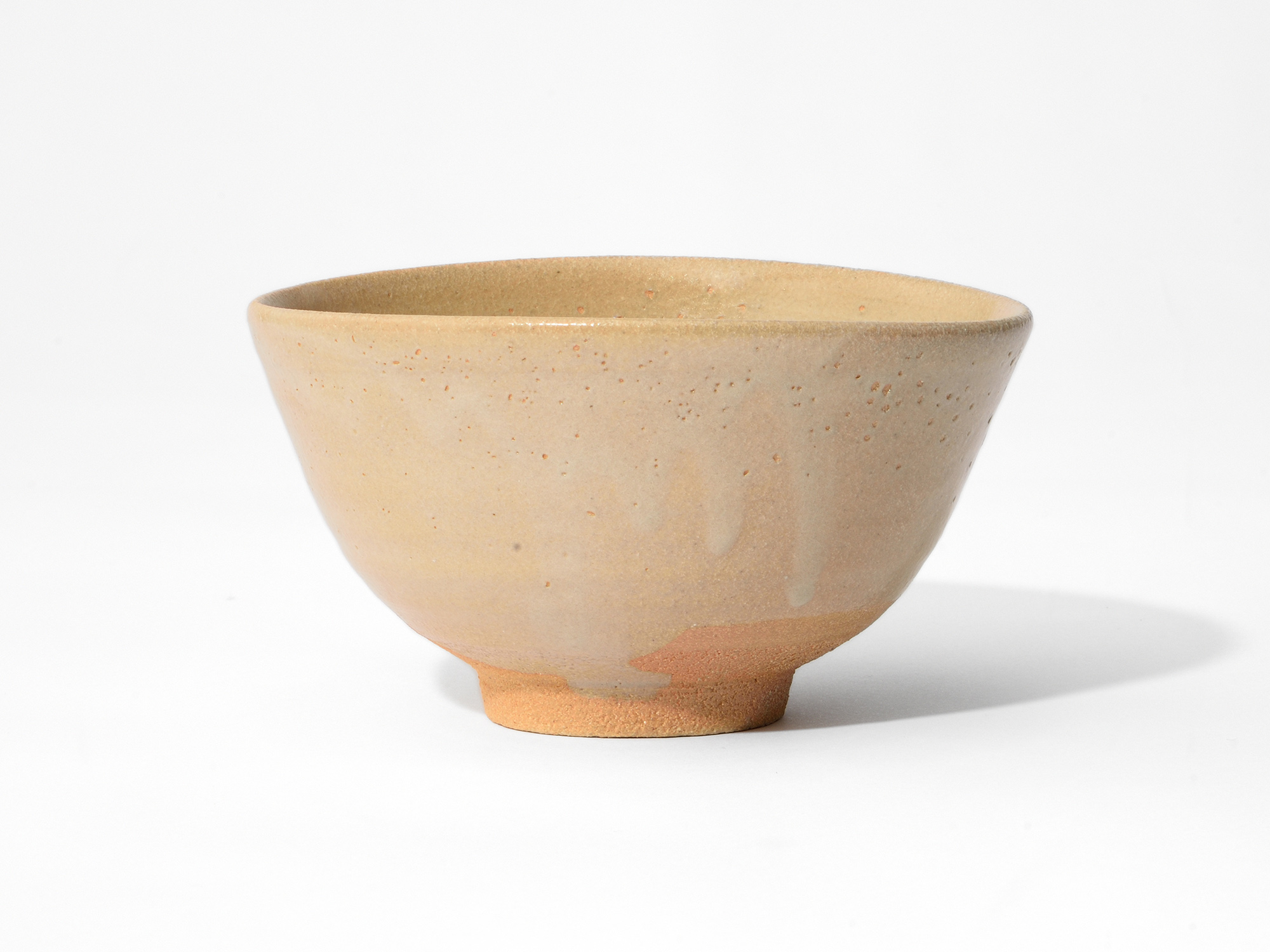

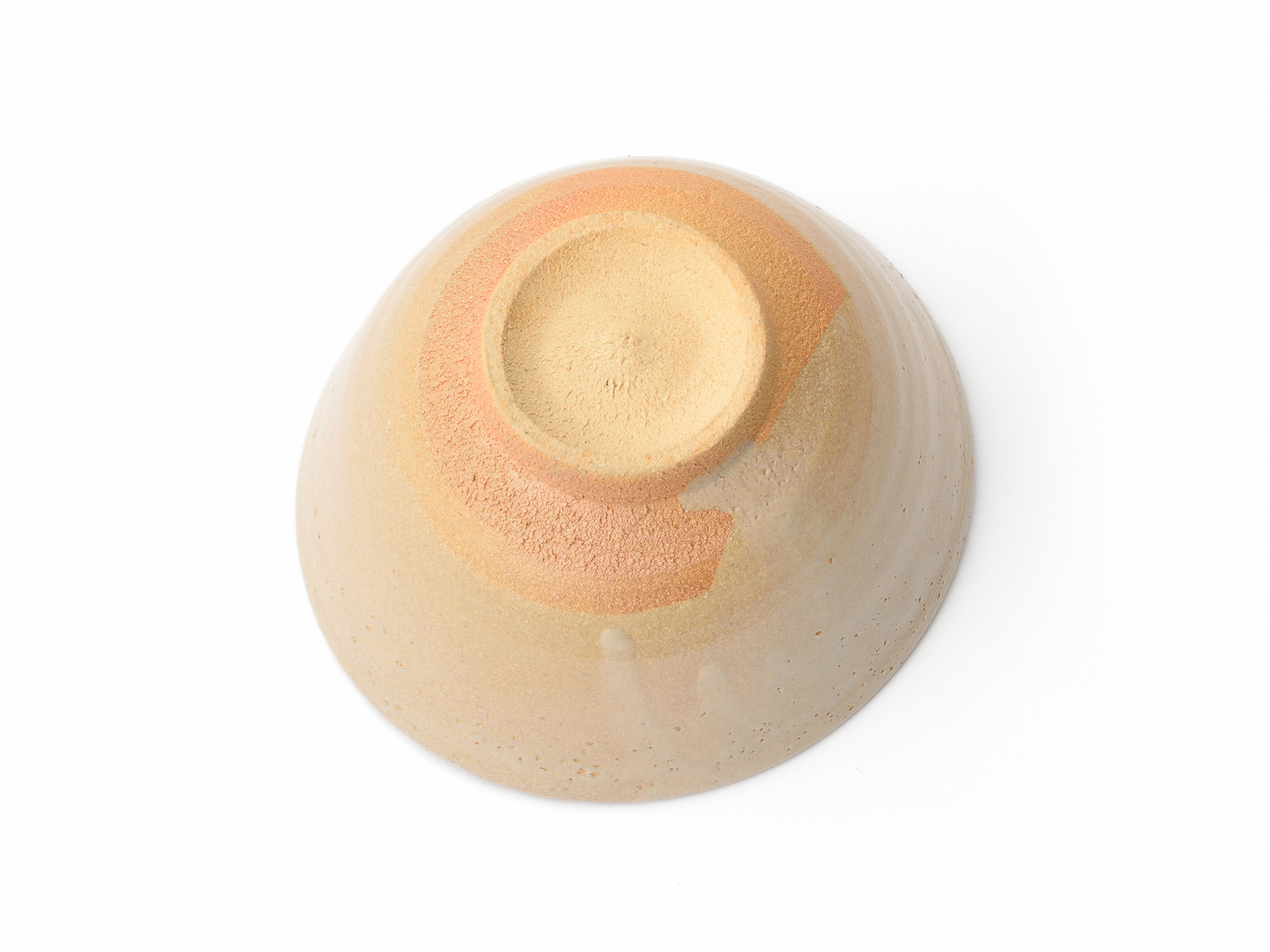
| Author name | Masahiro Takehana |
| Work name | Karatsu tea bowl |
| price | 100,000 yen (excluding tax) (110,000 yen including tax) |
| box | Comes with a paulownia wood box (to be delivered later) |
| size | W14.7 × D13.8 × H8.0(㎝) |


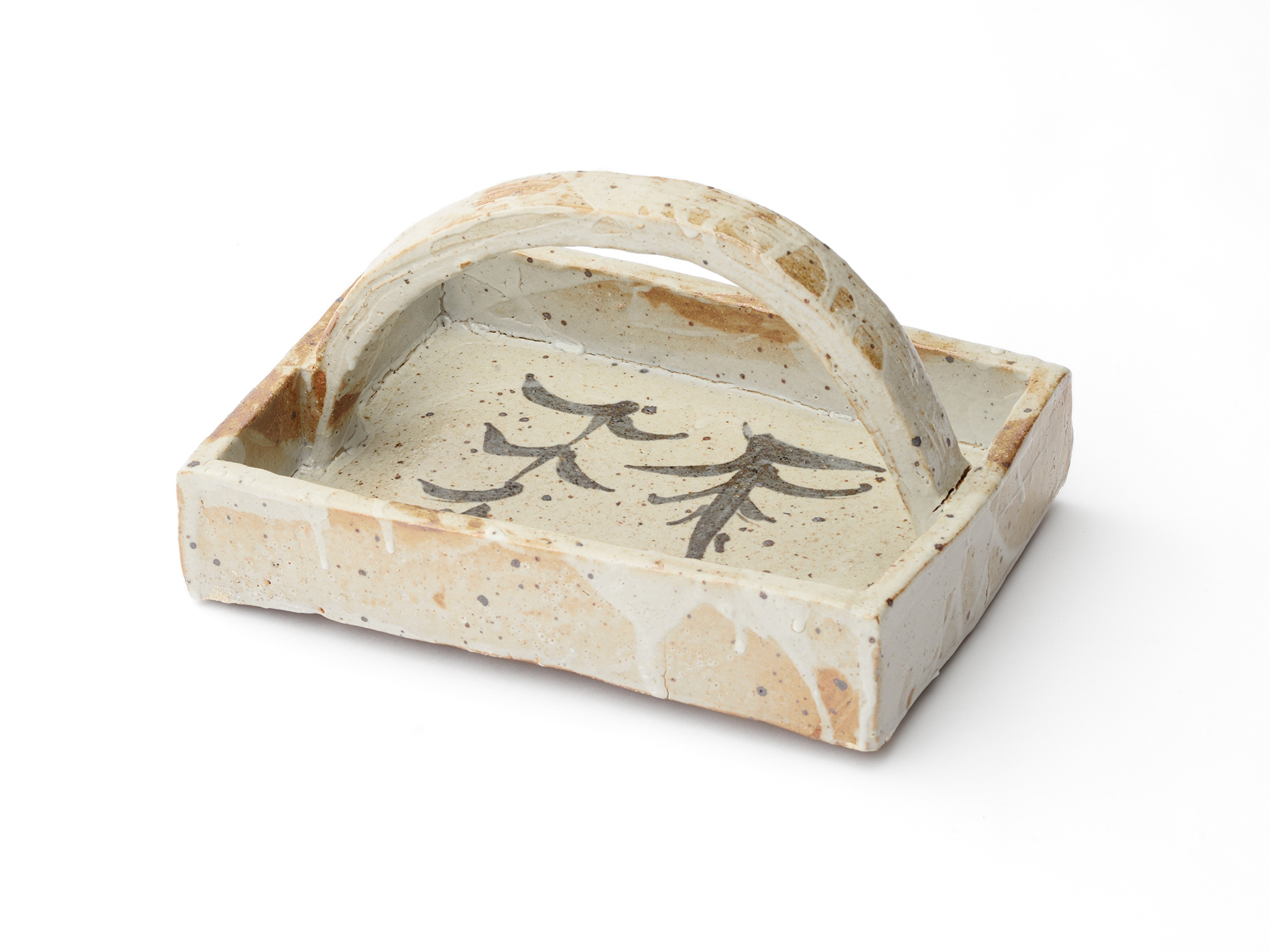
| Author name | Sajirou Tanaka |
| Work name | Painted Karatsu ware bowl with handle |
| price | 180,000 yen (excluding tax) (198,000 yen including tax) |
| box | Comes with a paulownia wood box (to be delivered later) |
| size | W26.4 × D18.8 × H12.6(㎝) |
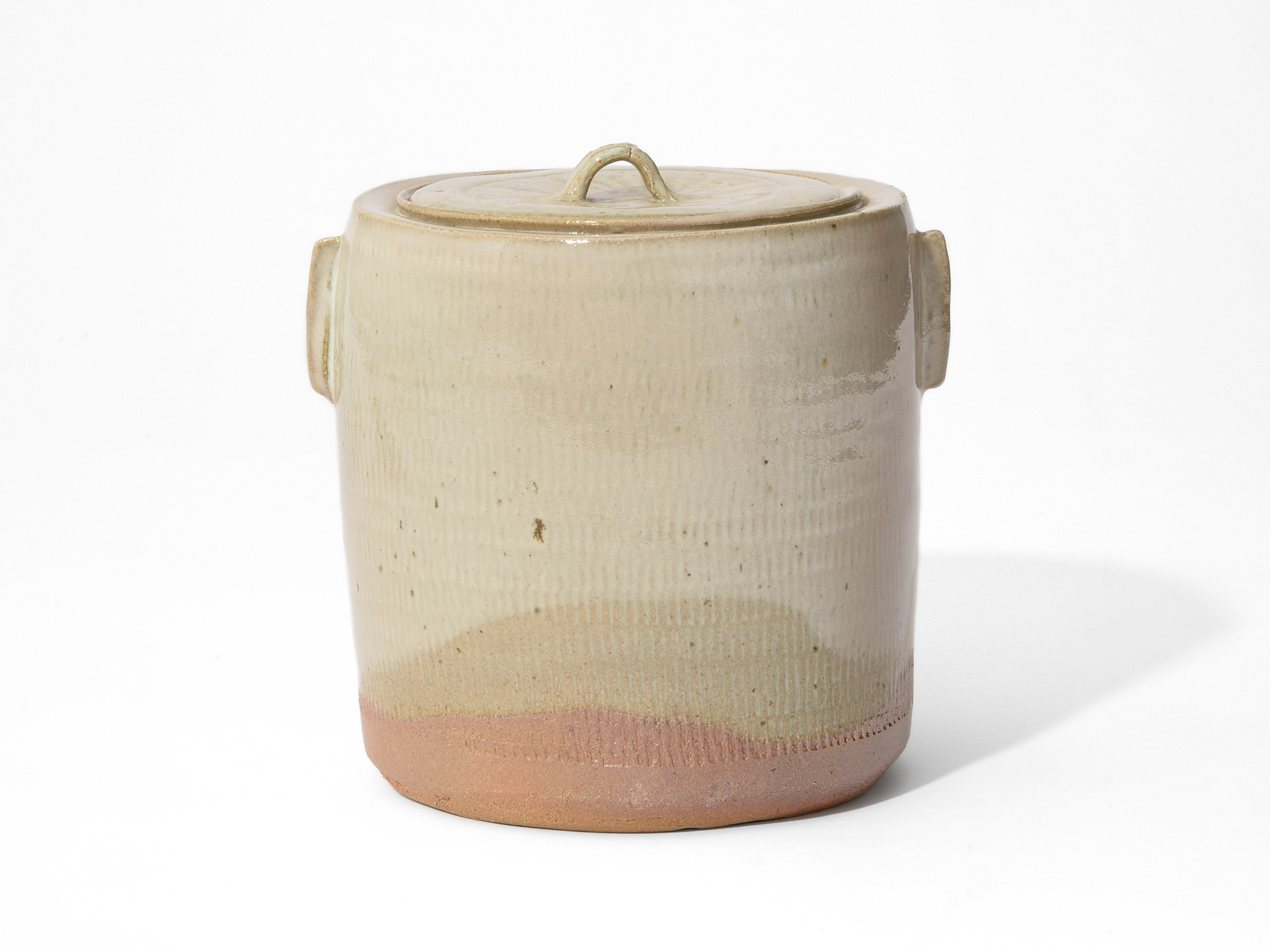
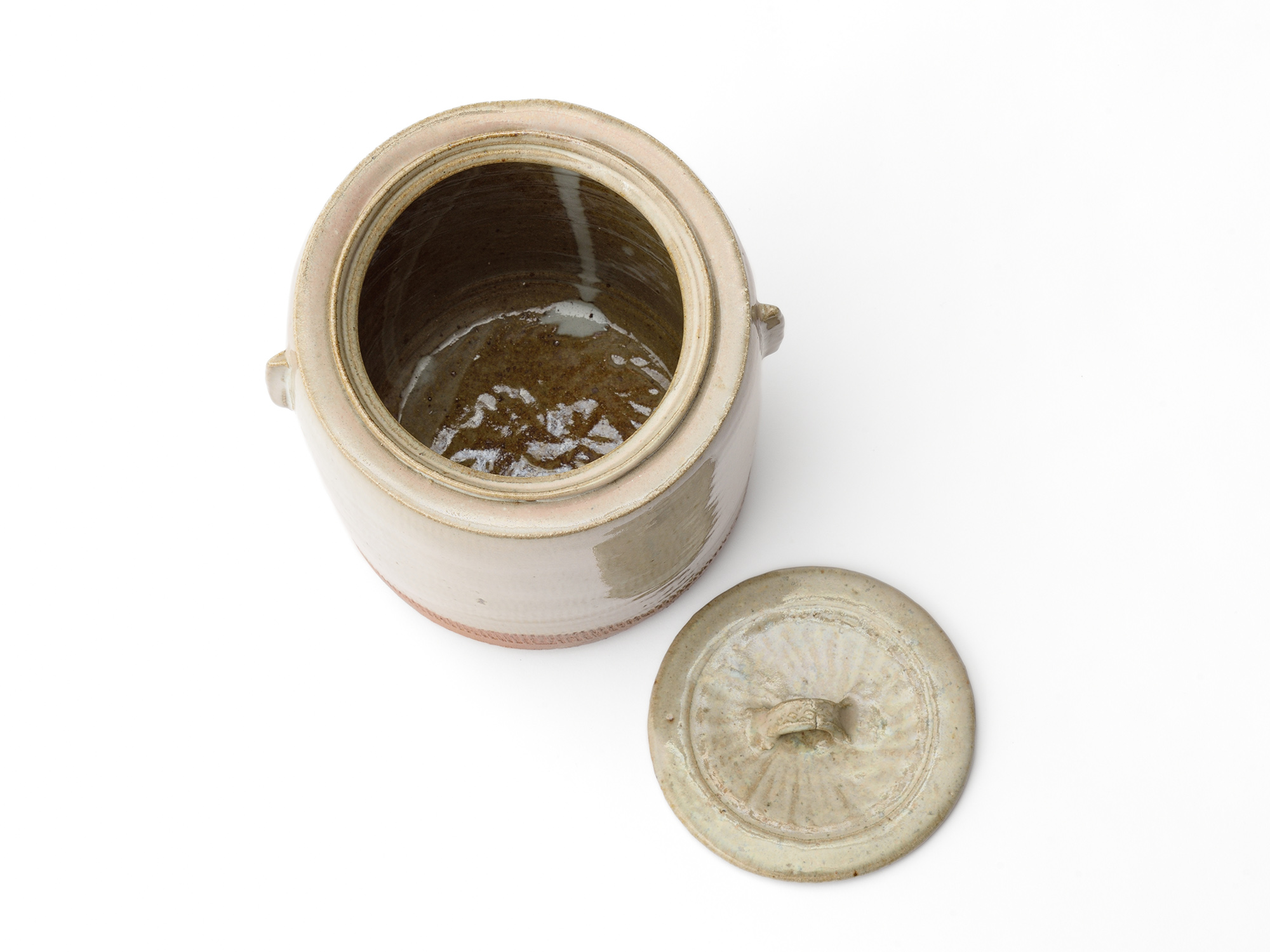
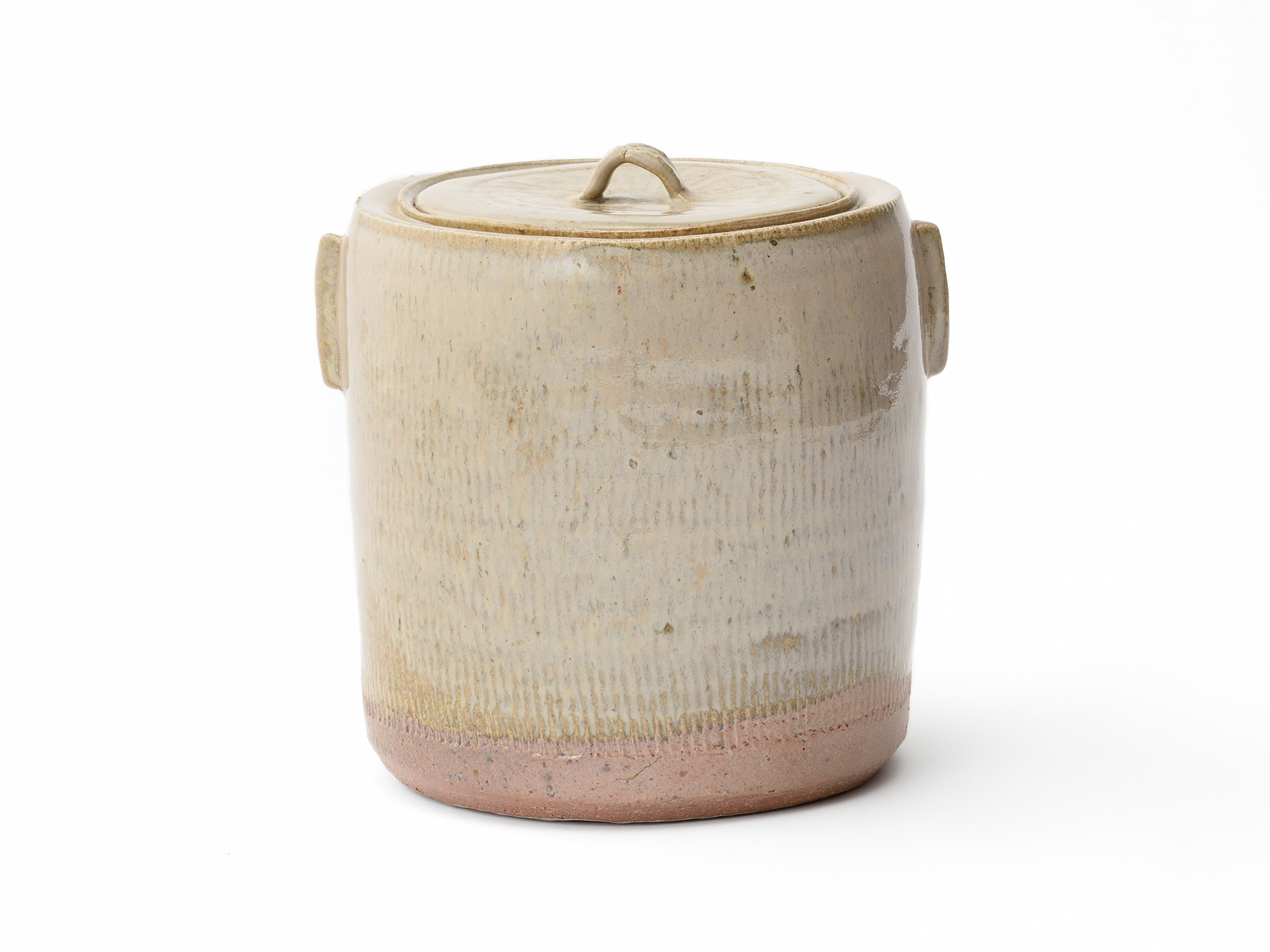
| Author name | Taki Nakazato |
| Work name | Spotted Karatsu Water Jar with Handles |
| price | 150,000 yen (excluding tax) (165,000 yen including tax) |
| box | Comes with a paulownia wood box (to be delivered later) |
| size | φ17.0 × H18.5(㎝) |
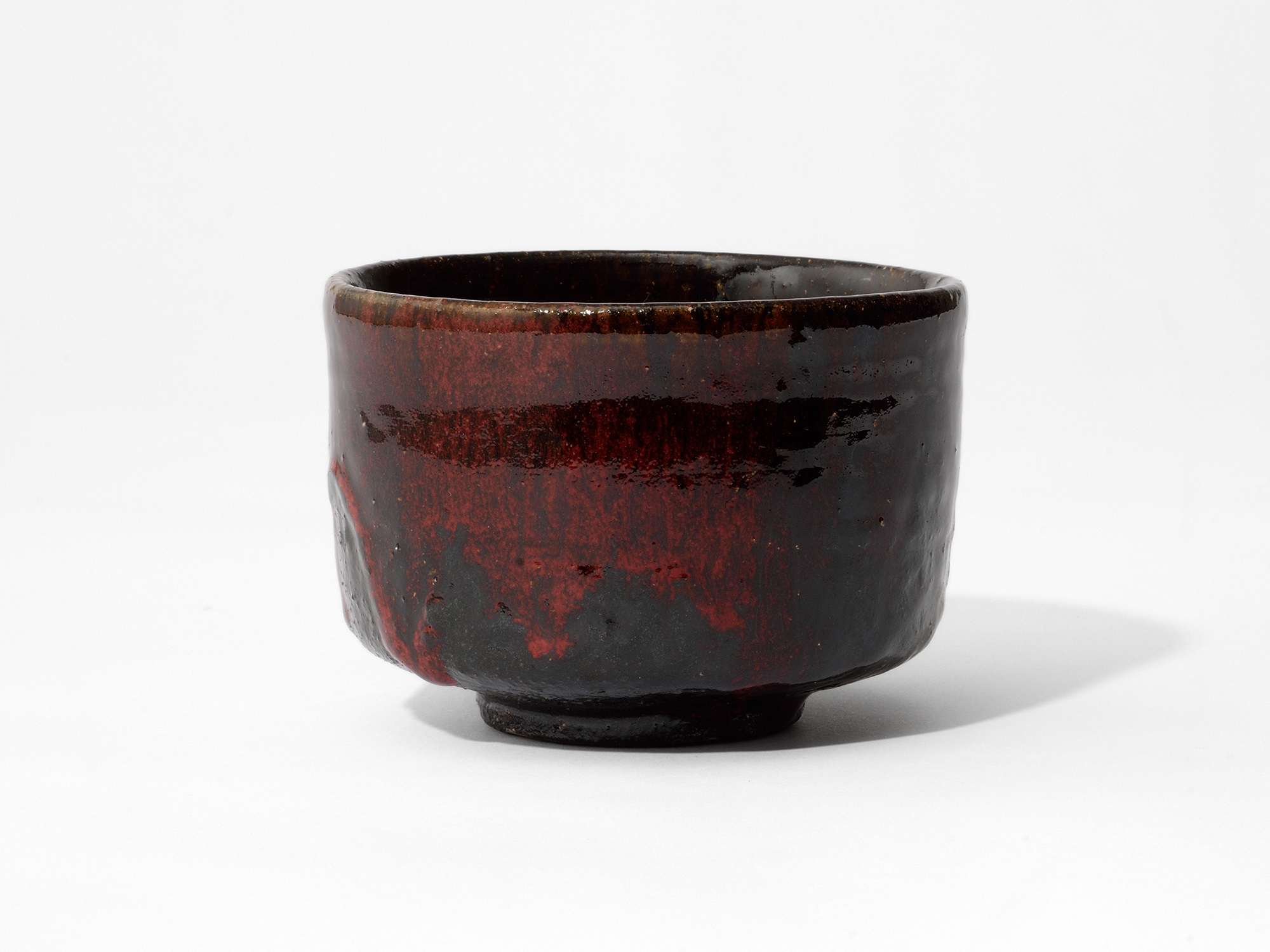
| Author name | 14th Tarouemon Nakazato |
| Work name | Karatsu Black Tea Bowl |
| price | 500,000 yen (excluding tax) (550,000 yen including tax) |
| box | Comes with a paulownia wood box (to be delivered later) |
| size | W12.1 × D11.9 × H8.4(㎝) |
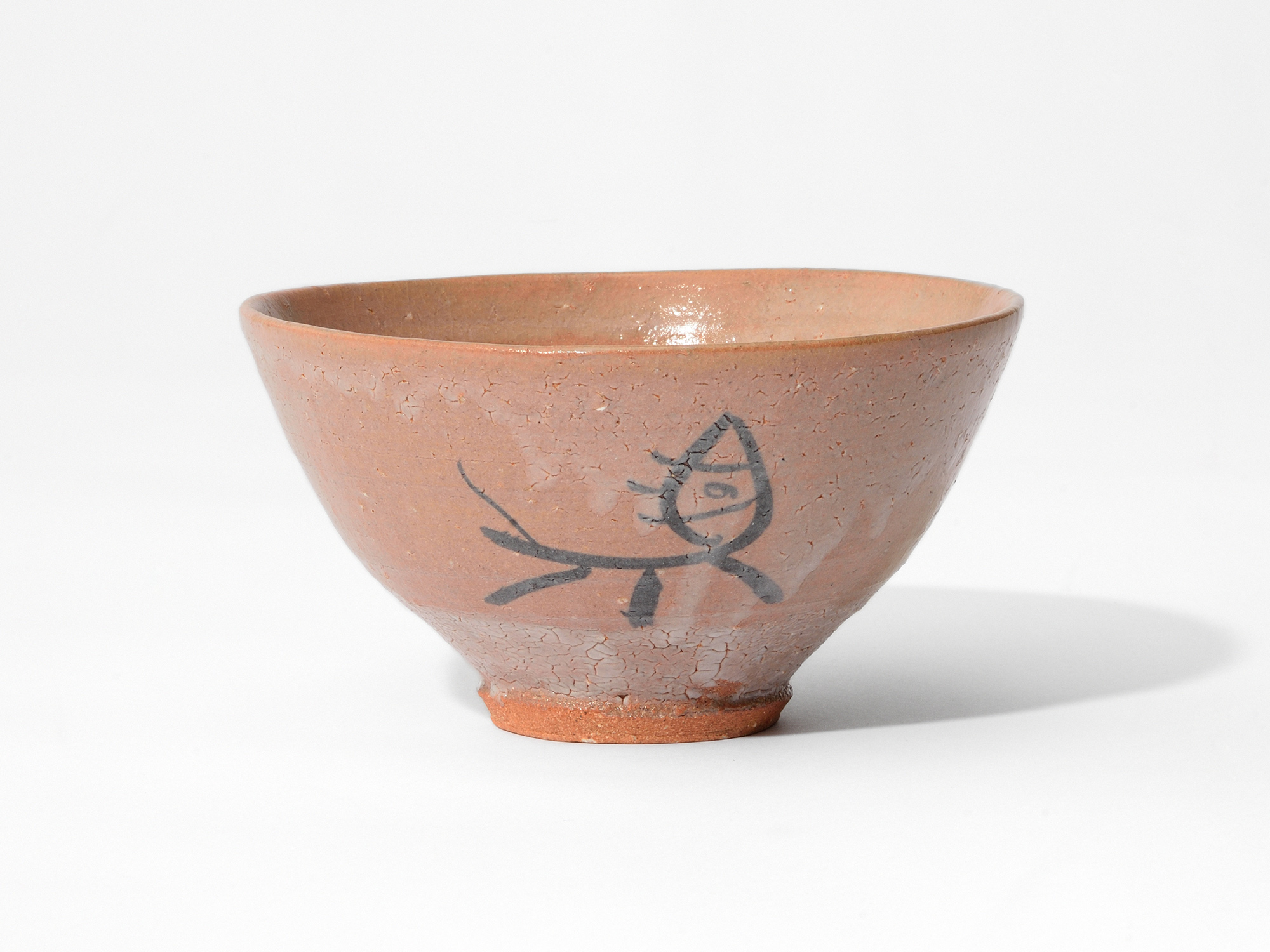
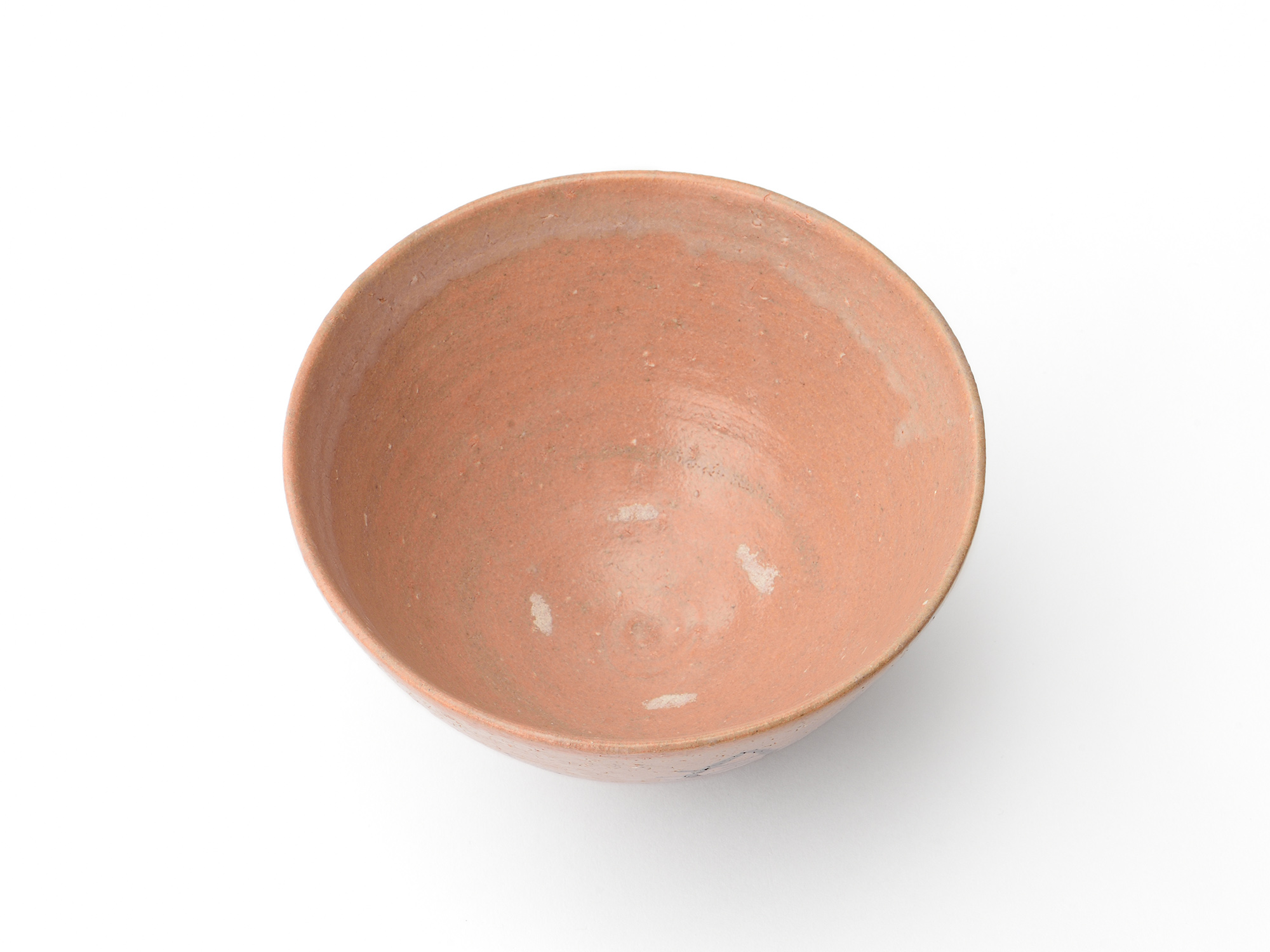
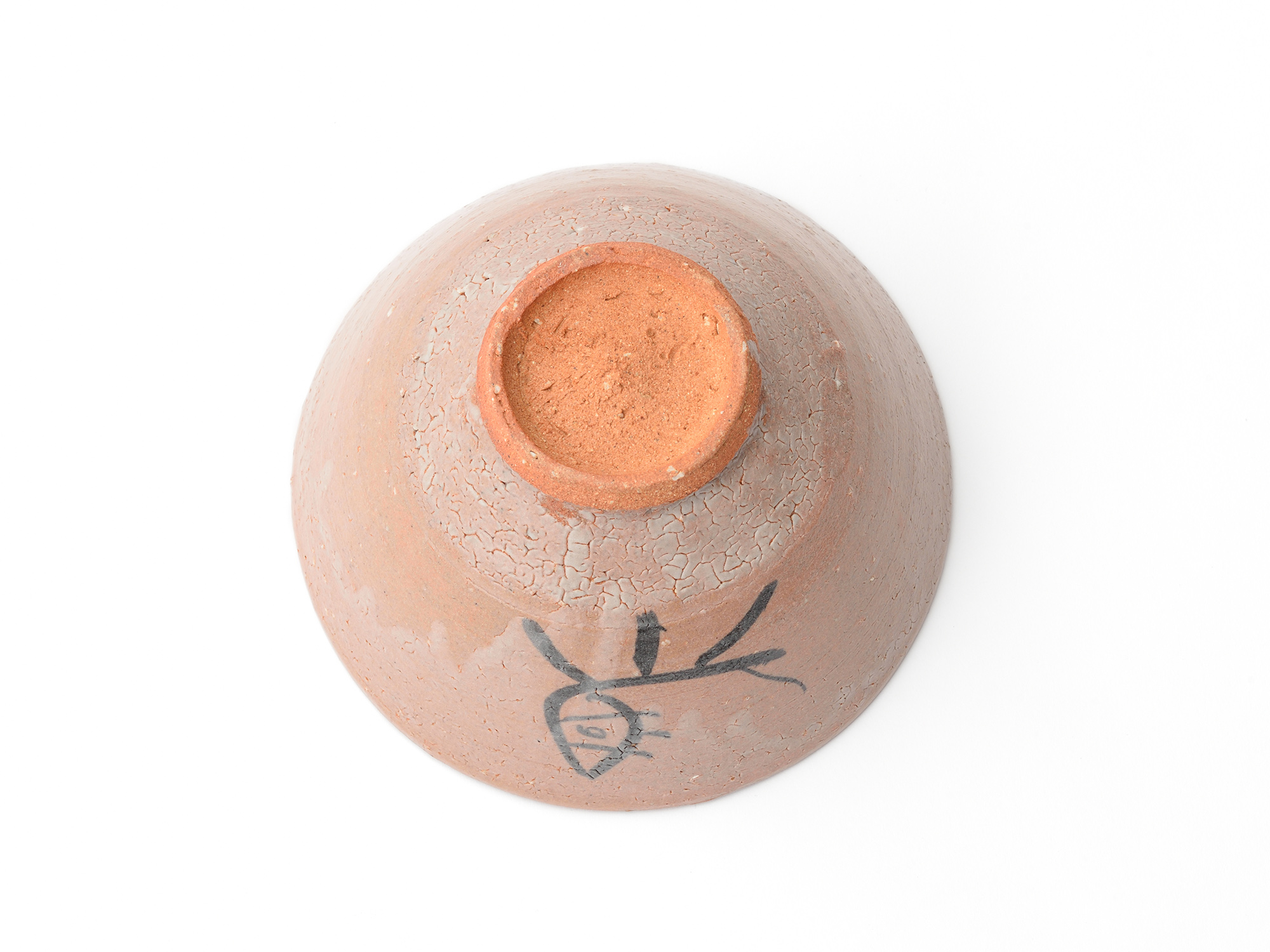
| Author name | Dohei Fujinoki |
| Work name | Picture Karatsu Tea (Left Horse Painting) |
| price | 100,000 yen (excluding tax) (110,000 yen including tax) |
| box | Comes with a paulownia wood box. |
| size | φ13.8 × H7.2(㎝) |
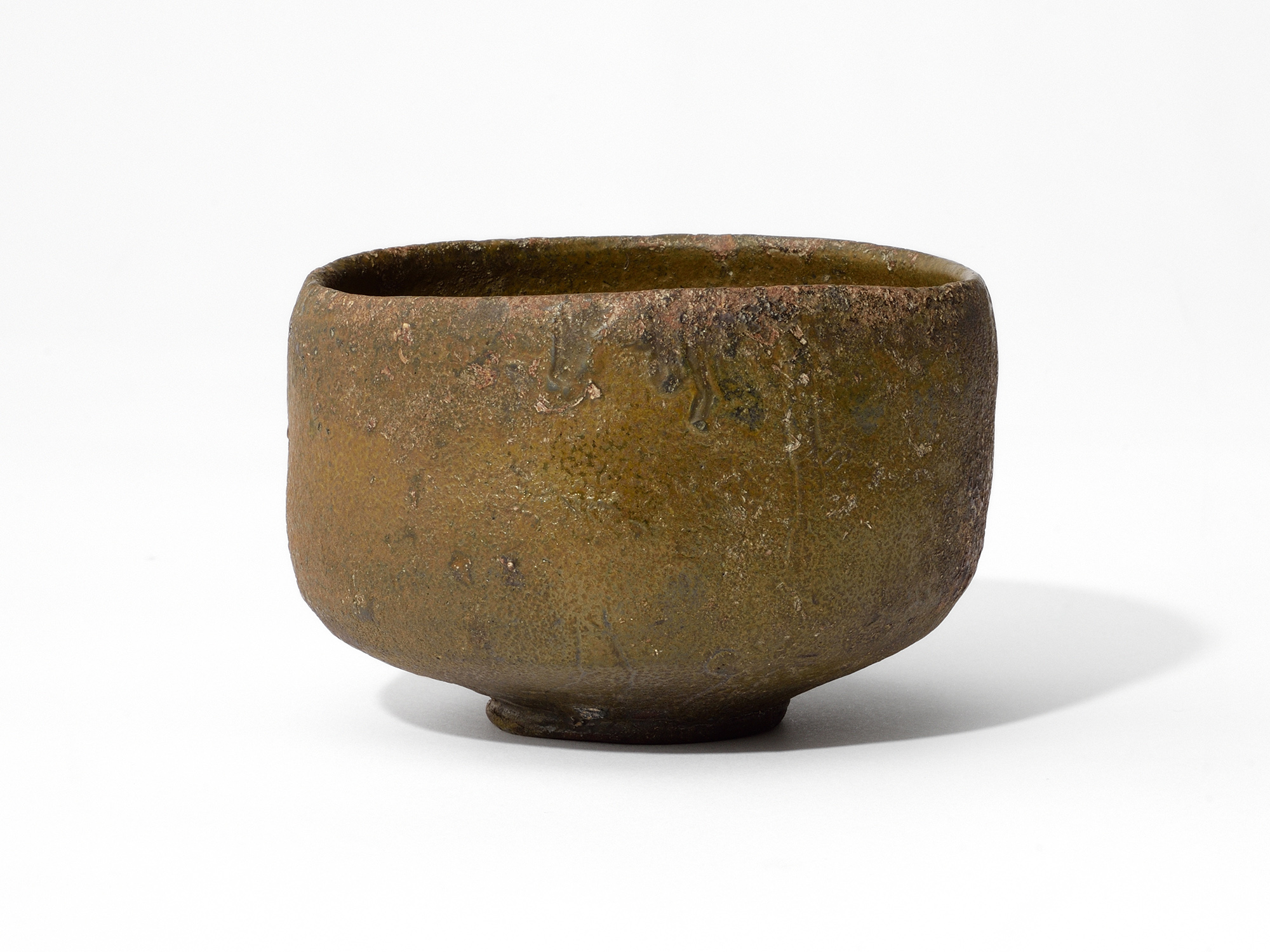
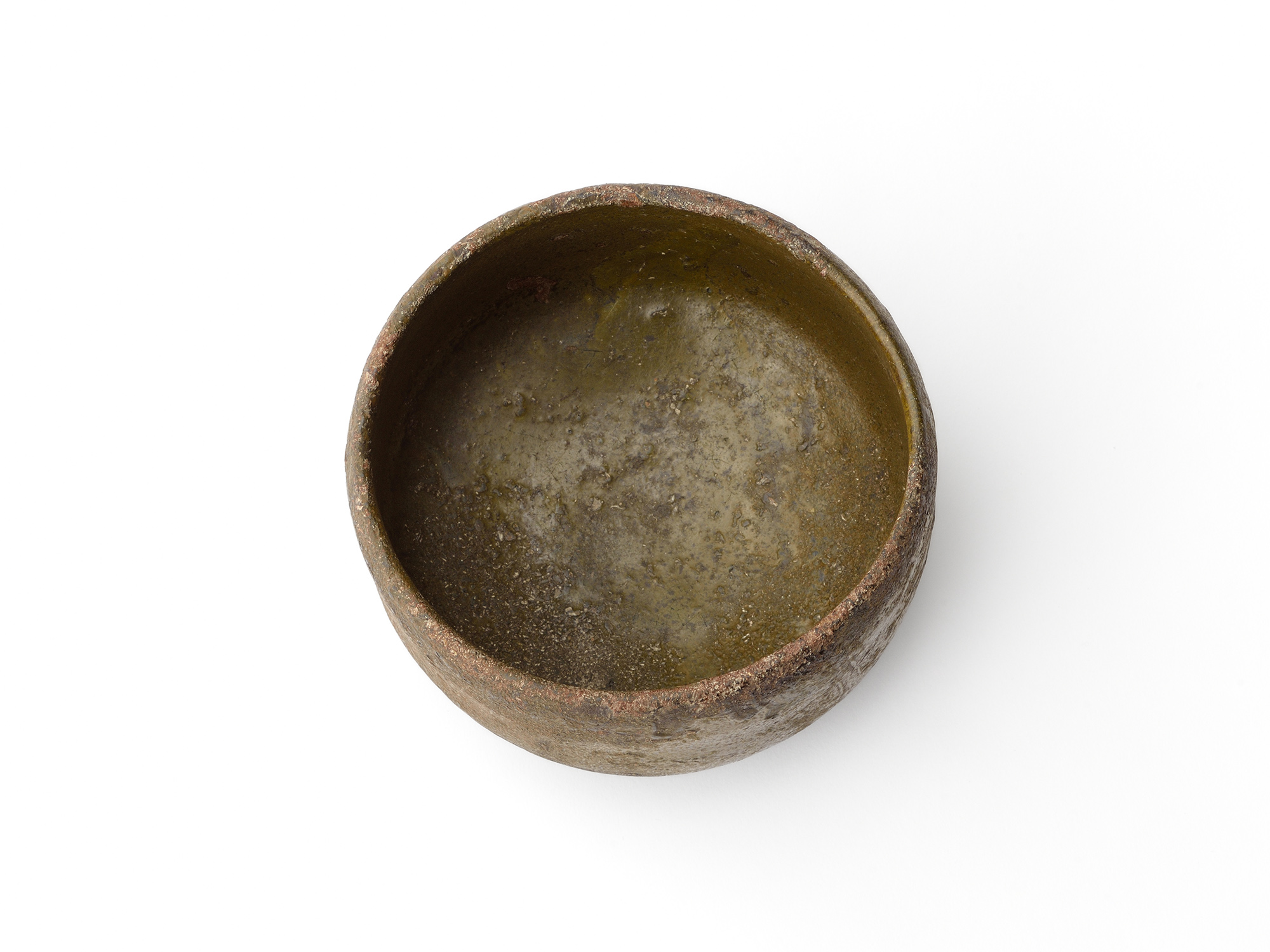
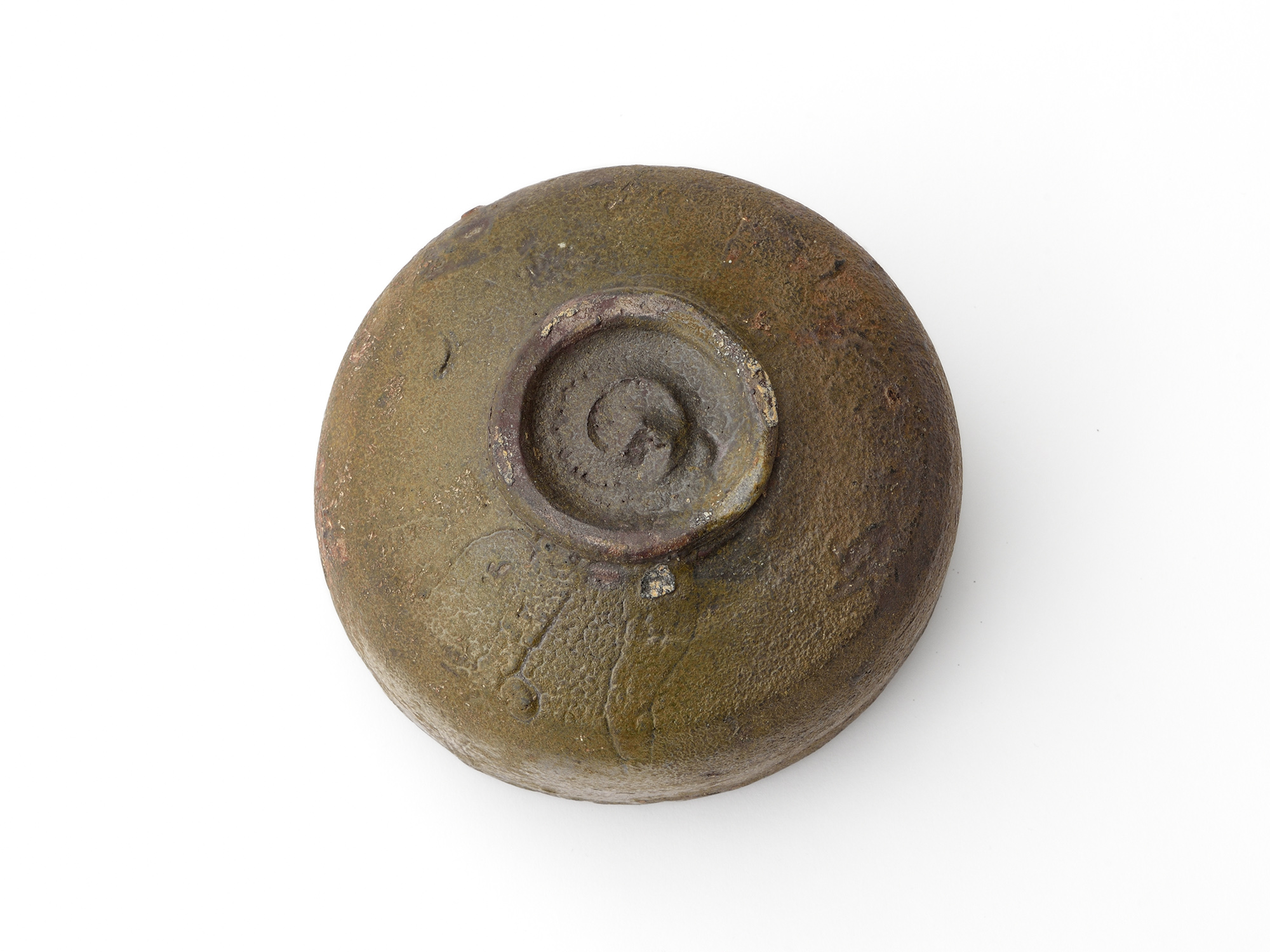
| Author name | Rui Mitoh |
| Work name | Black Karatsu tea bowl |
| price | 120,000 yen (excluding tax) (132,000 yen including tax) |
| box | Comes with a paulownia wood box (to be delivered later) |
| size | W12.5 × D11.3 × H7.0(㎝) |
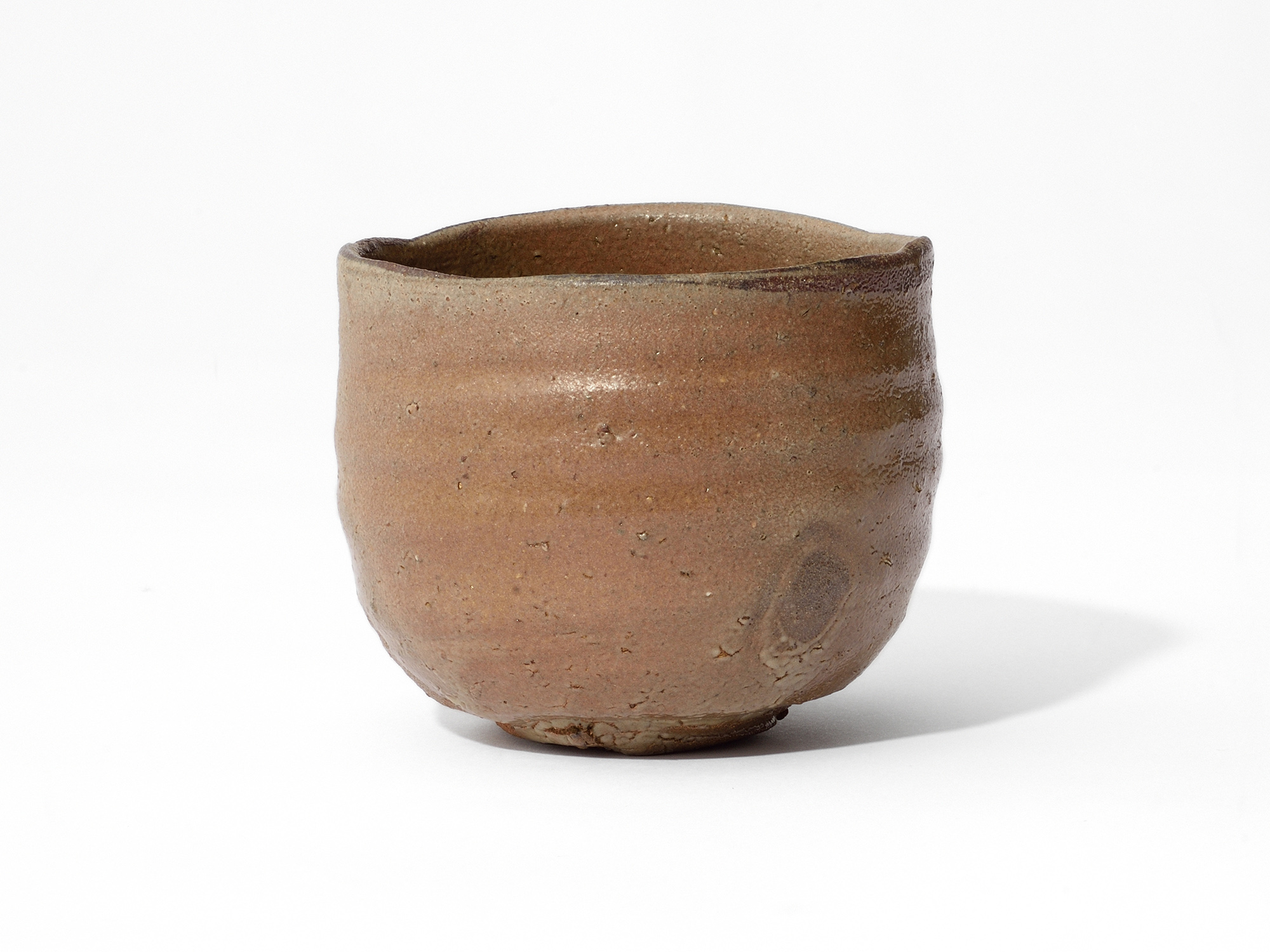
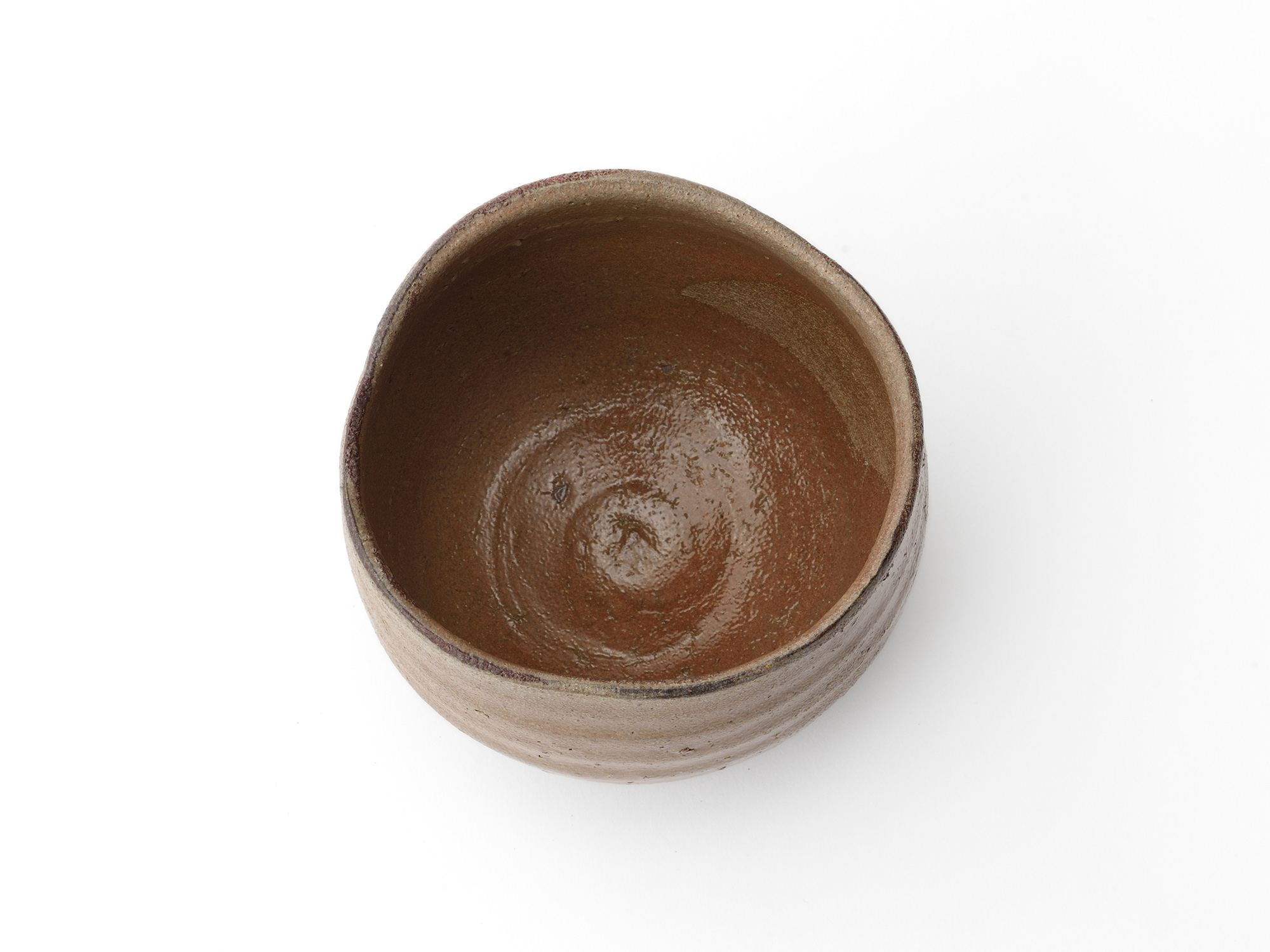
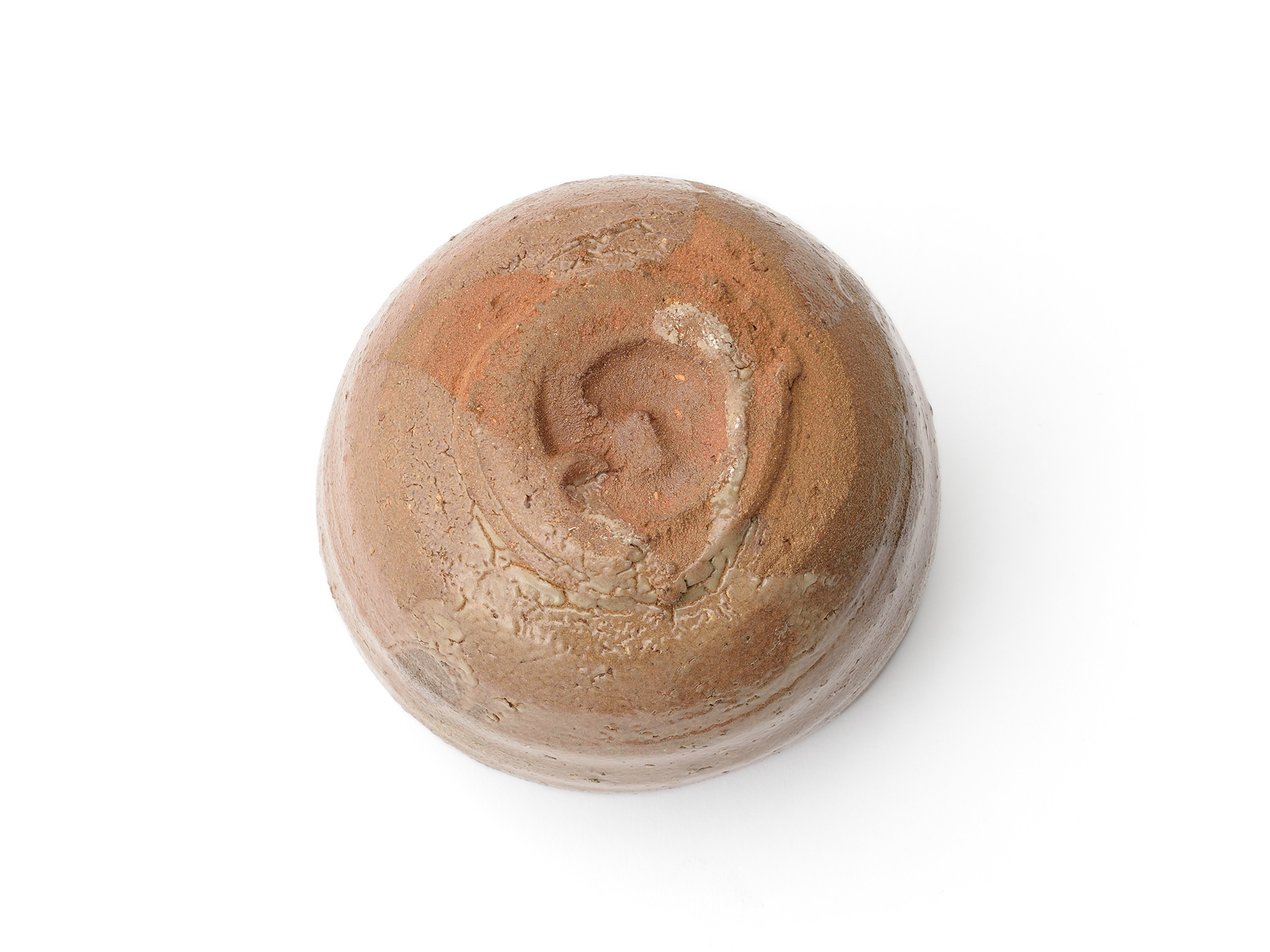
| Author name | Raizan Yasunaga |
| Work name | leather tea bowl |
| price | 150,000 yen (excluding tax) (165,000 yen including tax) |
| box | Comes with a paulownia wood box (to be delivered later) |
| size | φ10.5 × H8.8(㎝) |
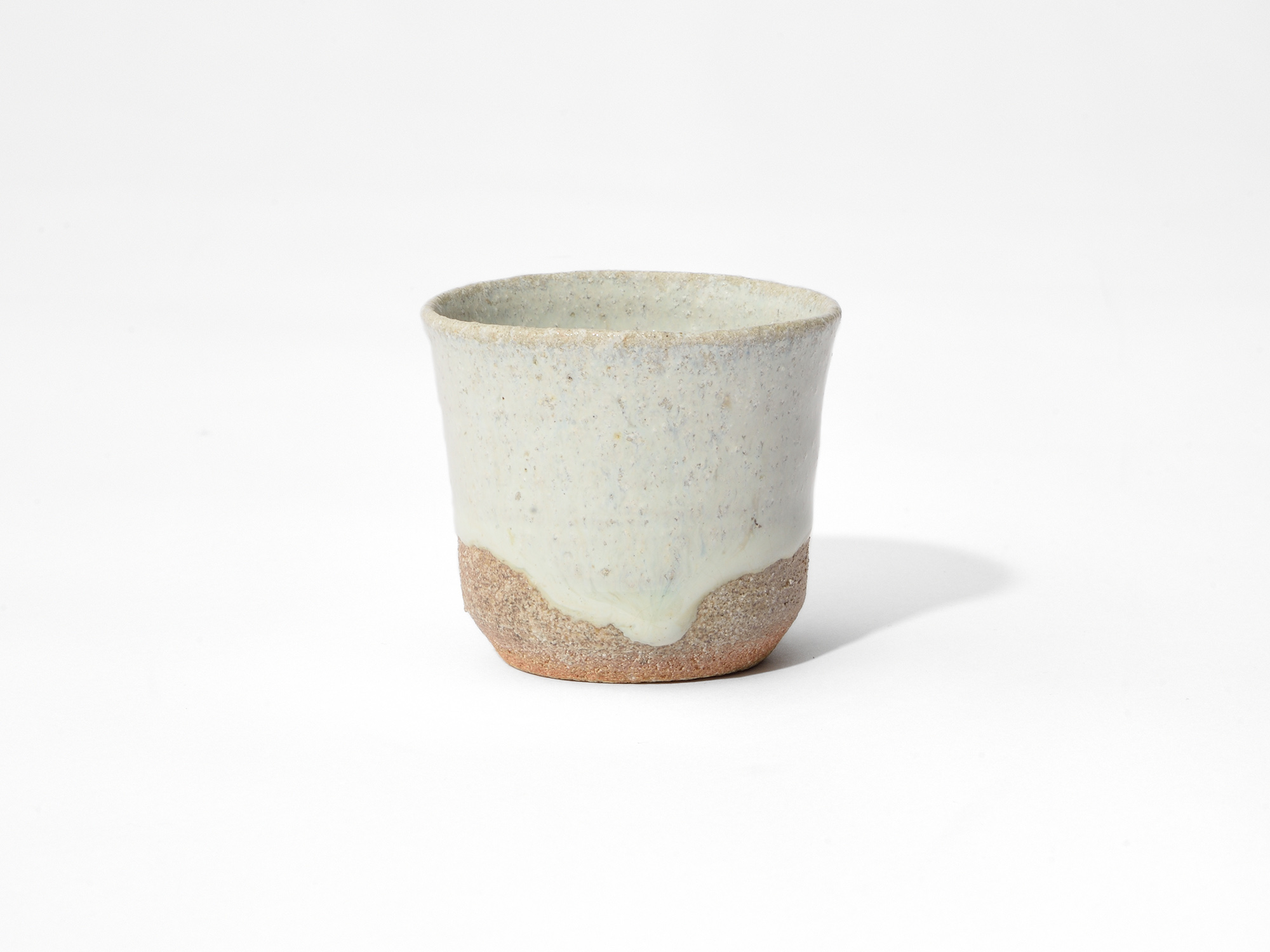

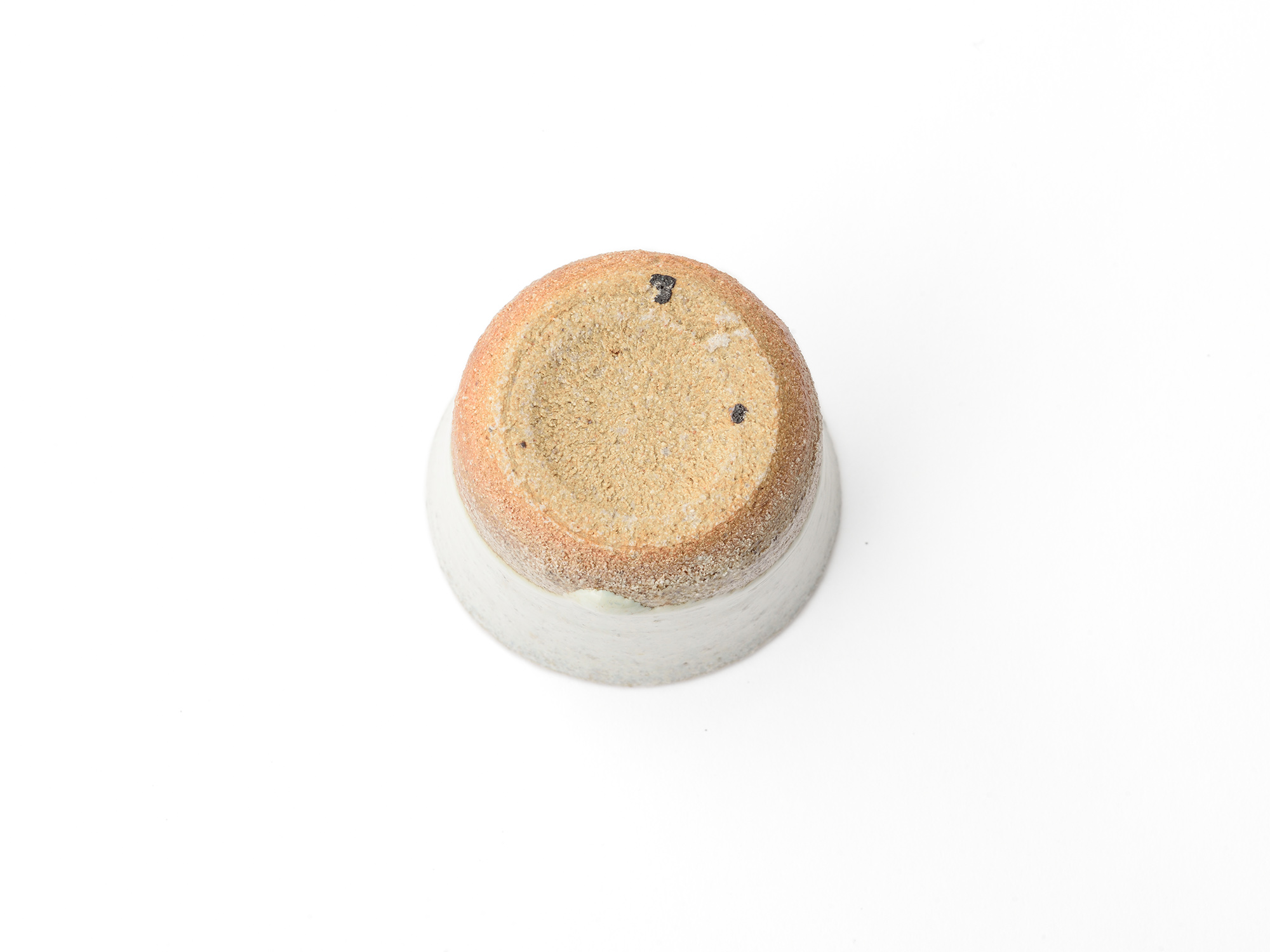
| Author name | Naoto Yano |
| Work name | Spotted Karatsu sake cup |
| price | 13,000 yen (excluding tax) (14,300 yen including tax) |
| box | Comes with a paulownia wood box (to be delivered later) |
| size | W6.5 × D6.3 × H5.9(㎝) |
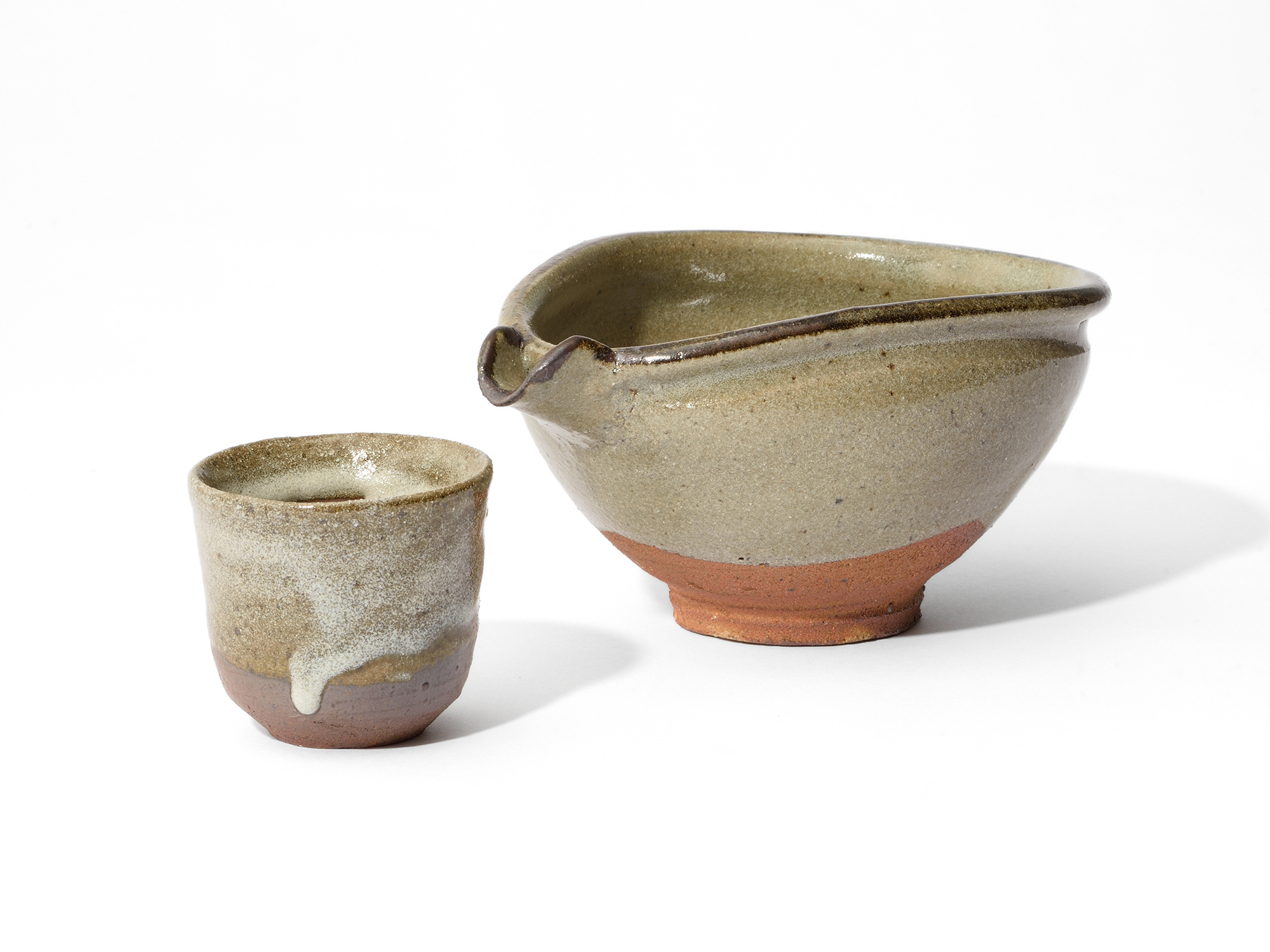
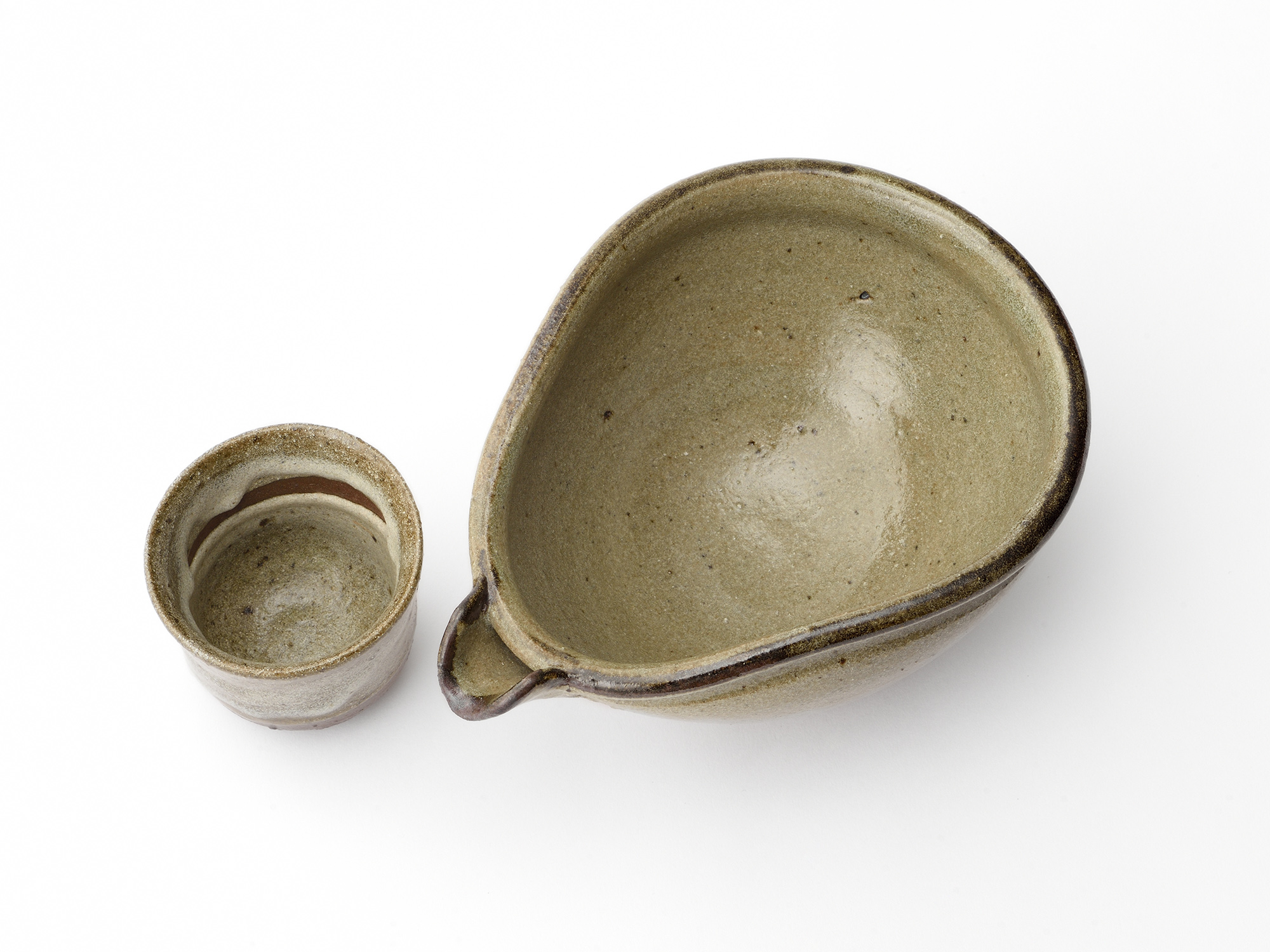
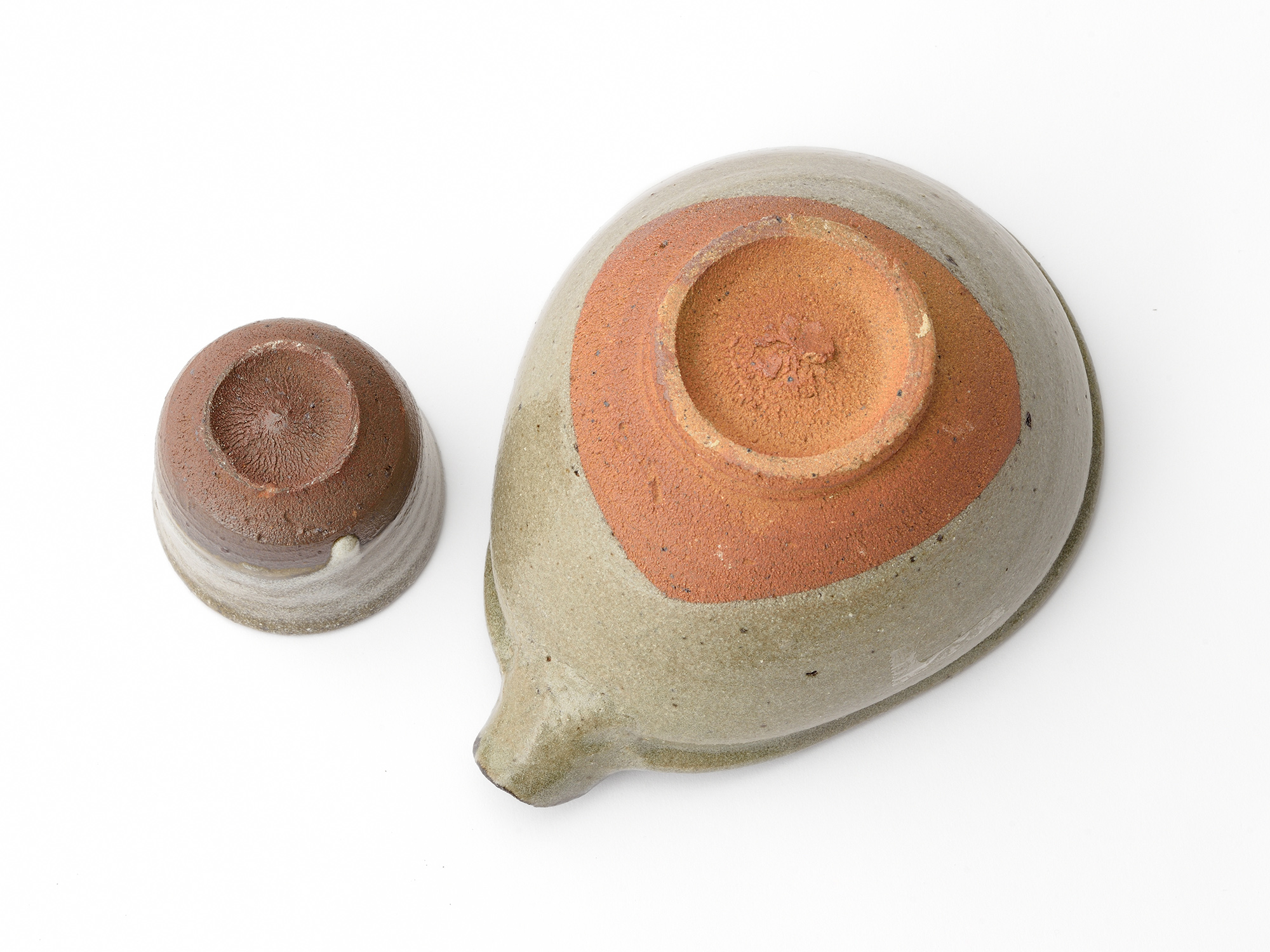
| Author name | Keiko Yoshino |
| Work name | [Left] Sand-patterned sake cup [Right] Picture Karatsu ware whale leather sake pitcher |
| price | 13,000 yen (excluding tax) (14,300 yen including tax) 12,000 yen (excluding tax) (13,200 yen including tax) |
| box | Comes with a paulownia wood box (to be delivered later) |
| size | φ6.5 × H5.8(㎝) W17.5 × D12.8 × H8.2(㎝) |

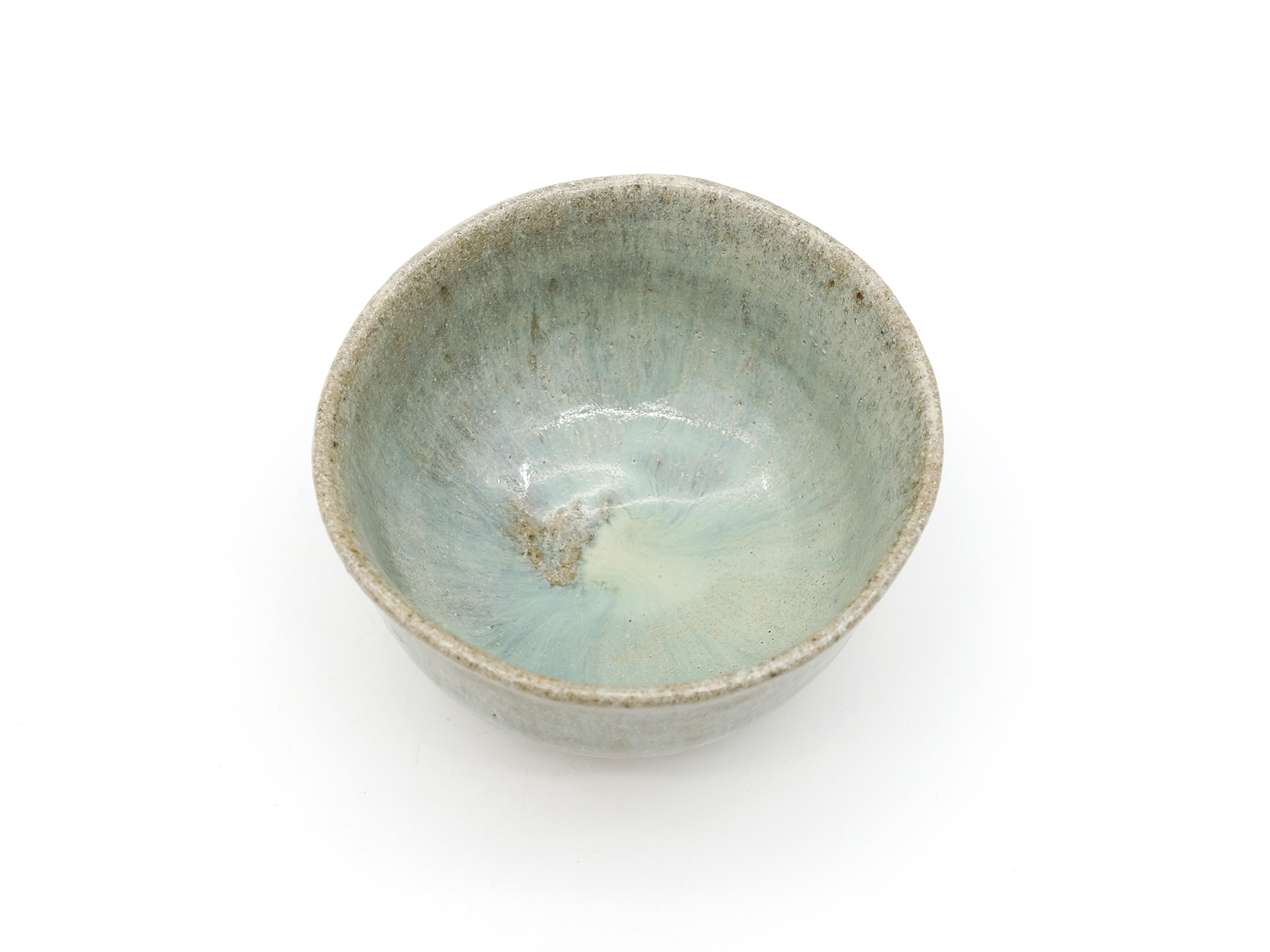
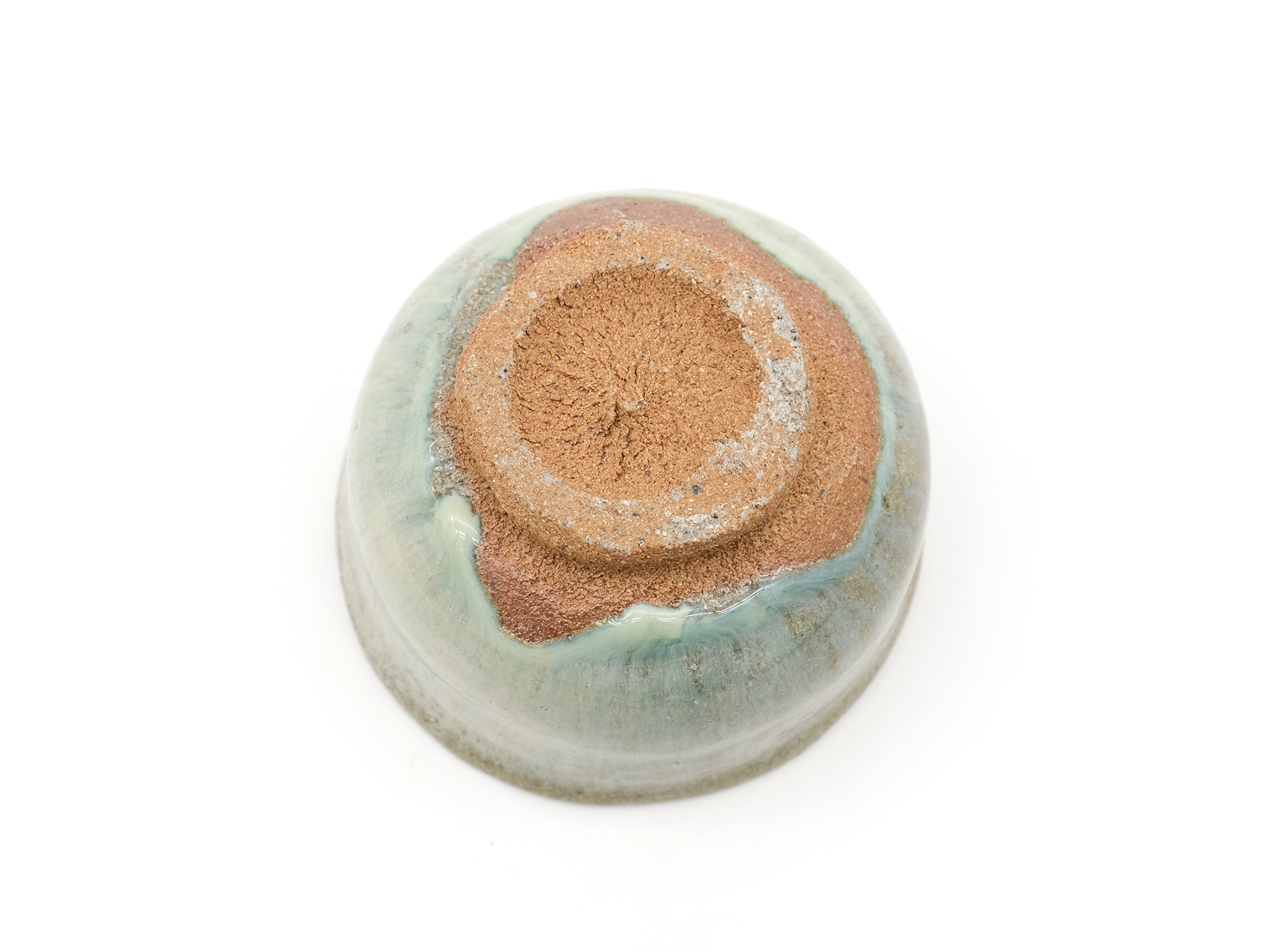
| Author name | Sajirou Tanaka |
| Work name | Spotted Karatsu Tea Ceremony Pouch |
| price | 700,000 yen (excluding tax) (770,000 yen including tax) |
| box | Comes with a paulownia wood box (to be delivered later) |
| size | W 12.5 × D 12.0 × H 7.6 (㎝) |
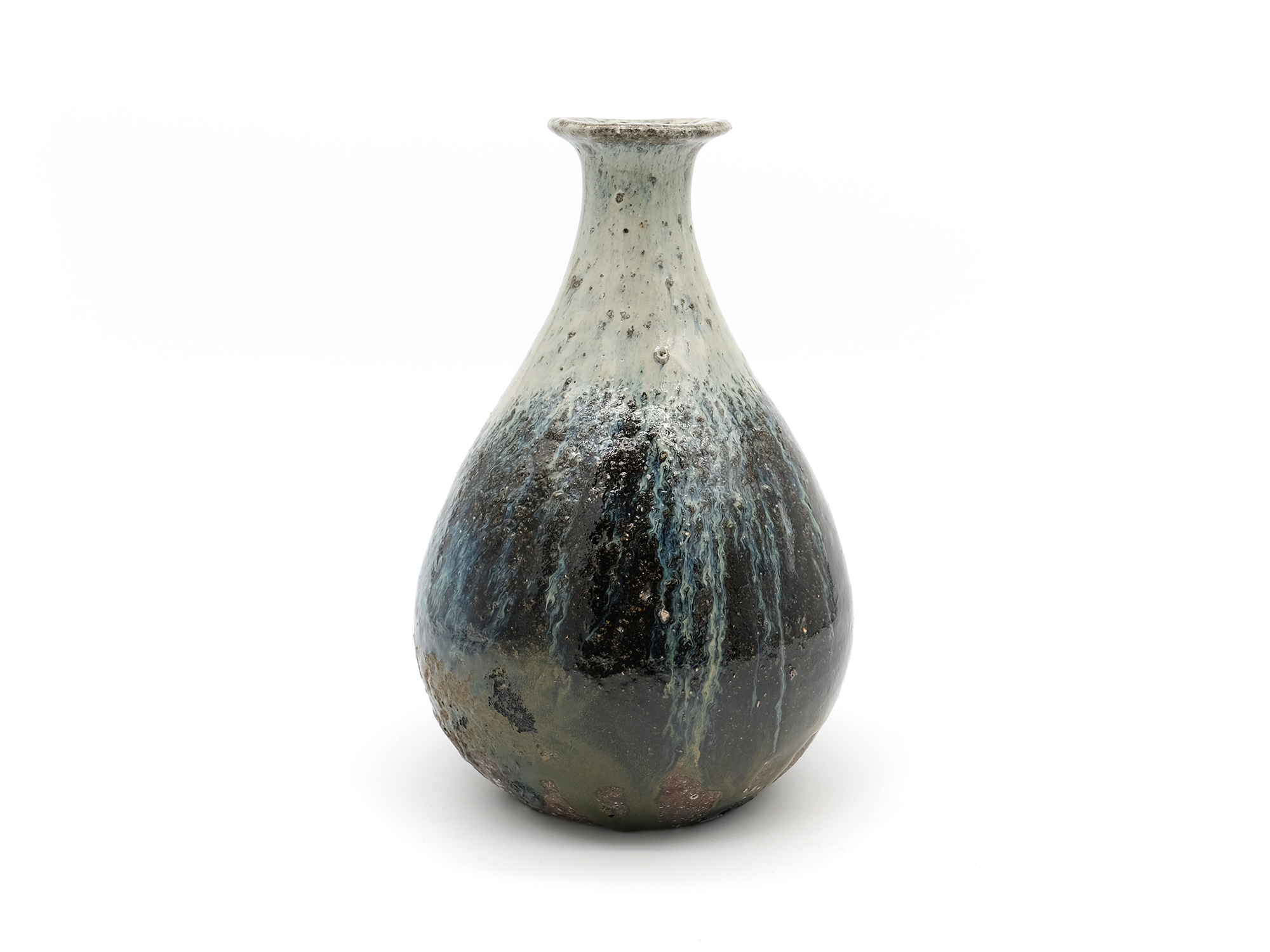
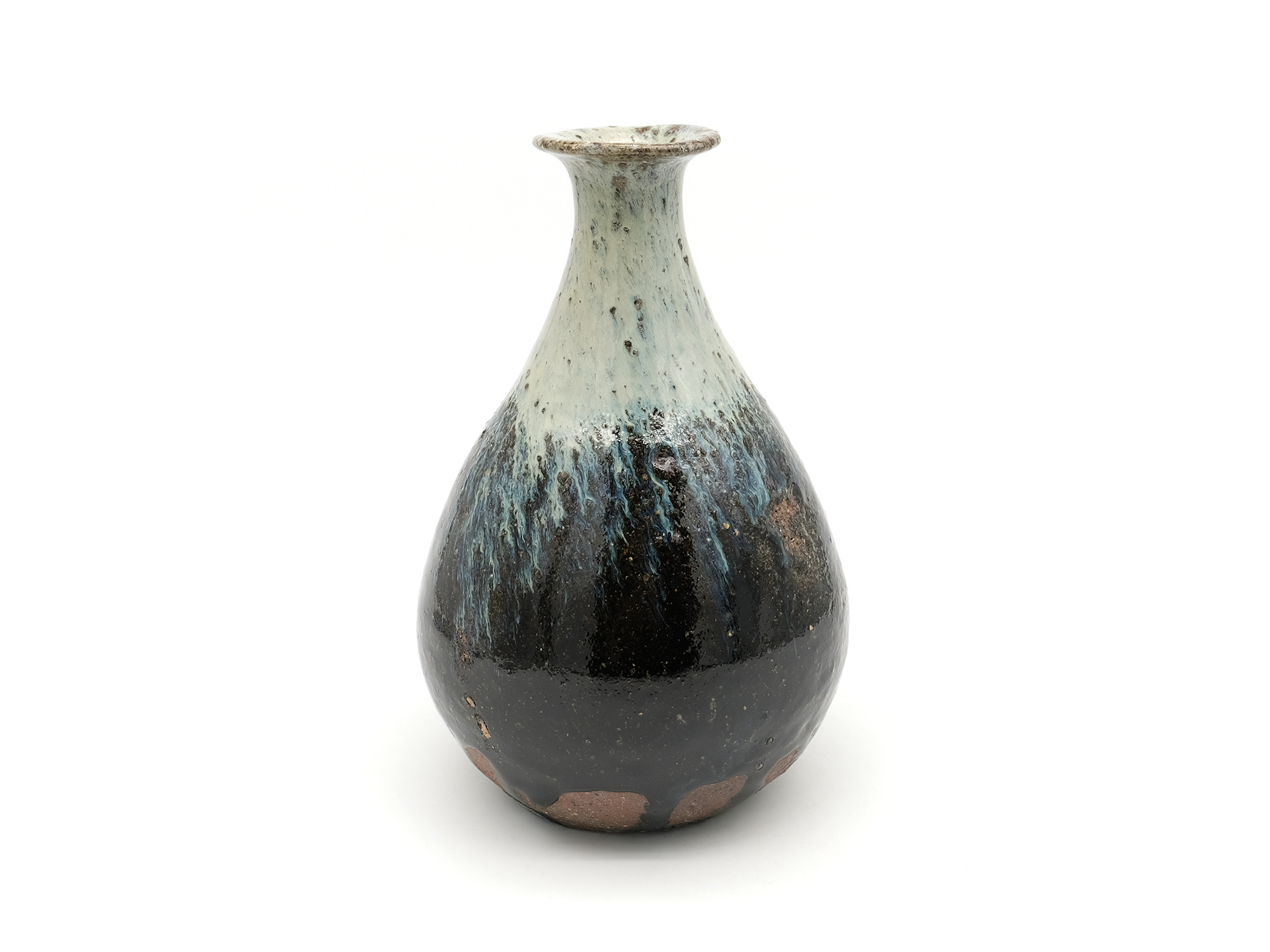

| Author name | Kiyomi Kawakami |
| Work name | Korean Karatsu Duck Head Sake Bottle |
| price | 200,000 yen (excluding tax) (220,000 yen including tax) |
| box | Comes with a paulownia wood box (to be delivered later) |
| size | Φ 14.6 × H 22.0 (㎝) |
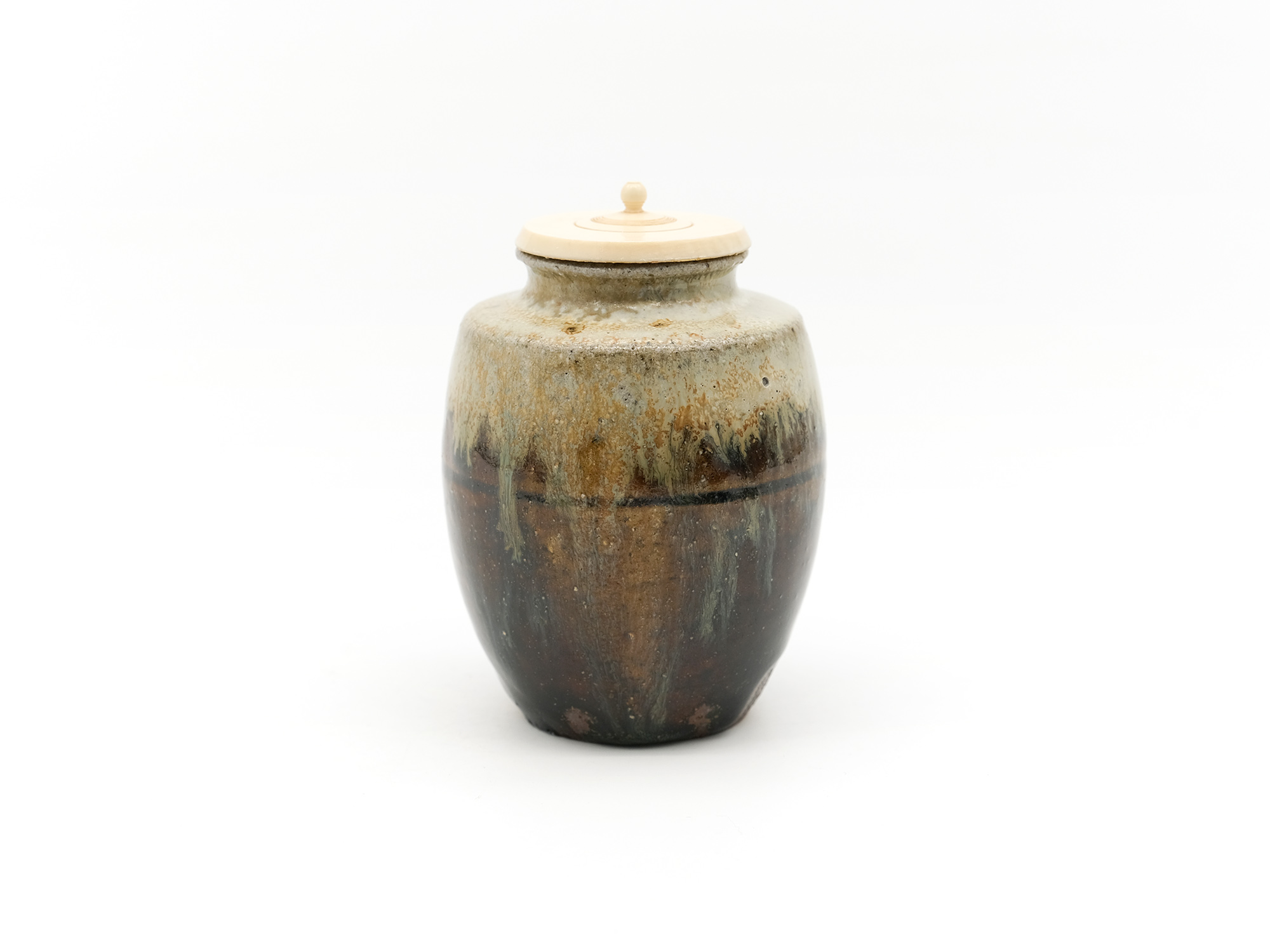
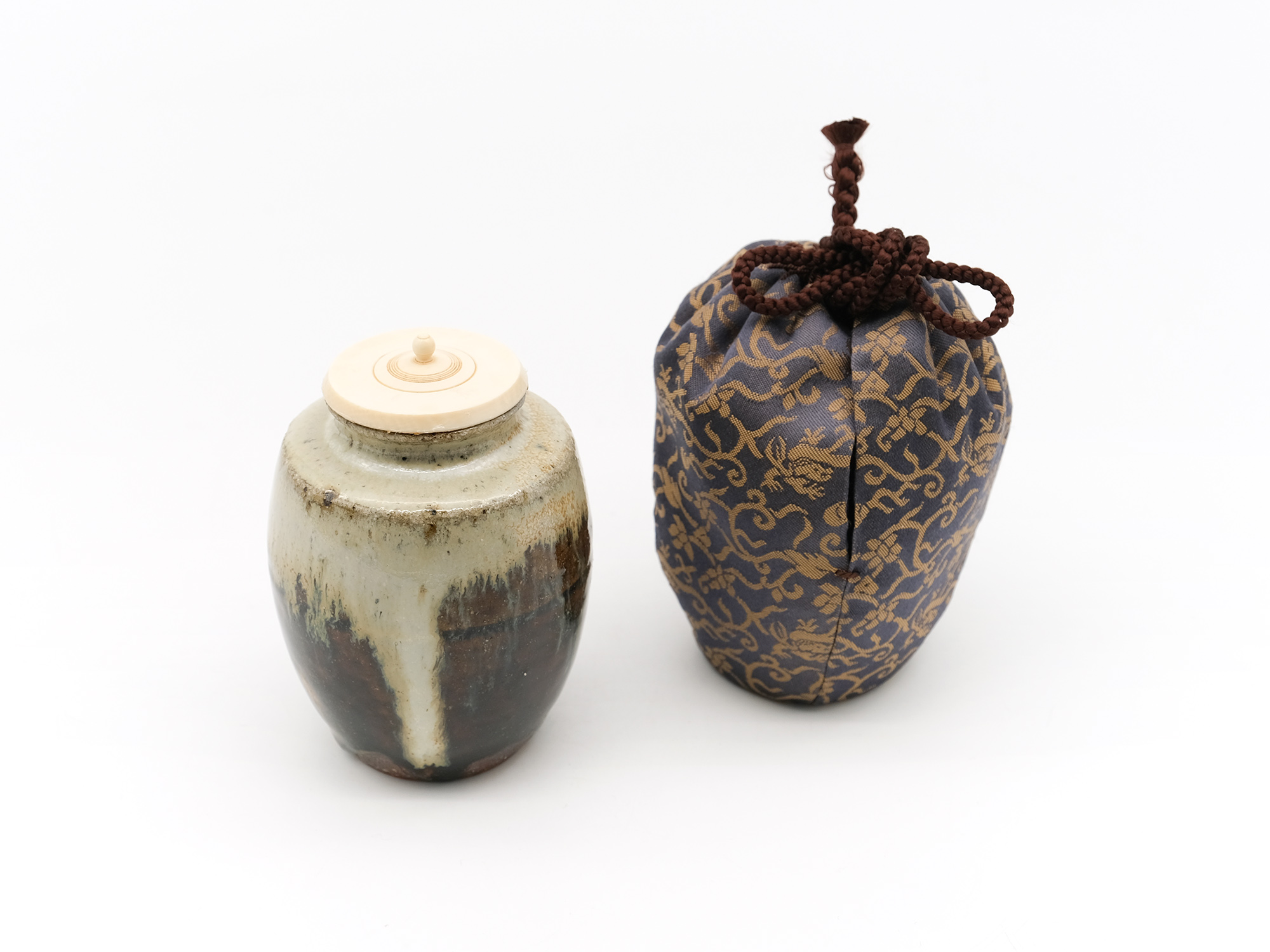
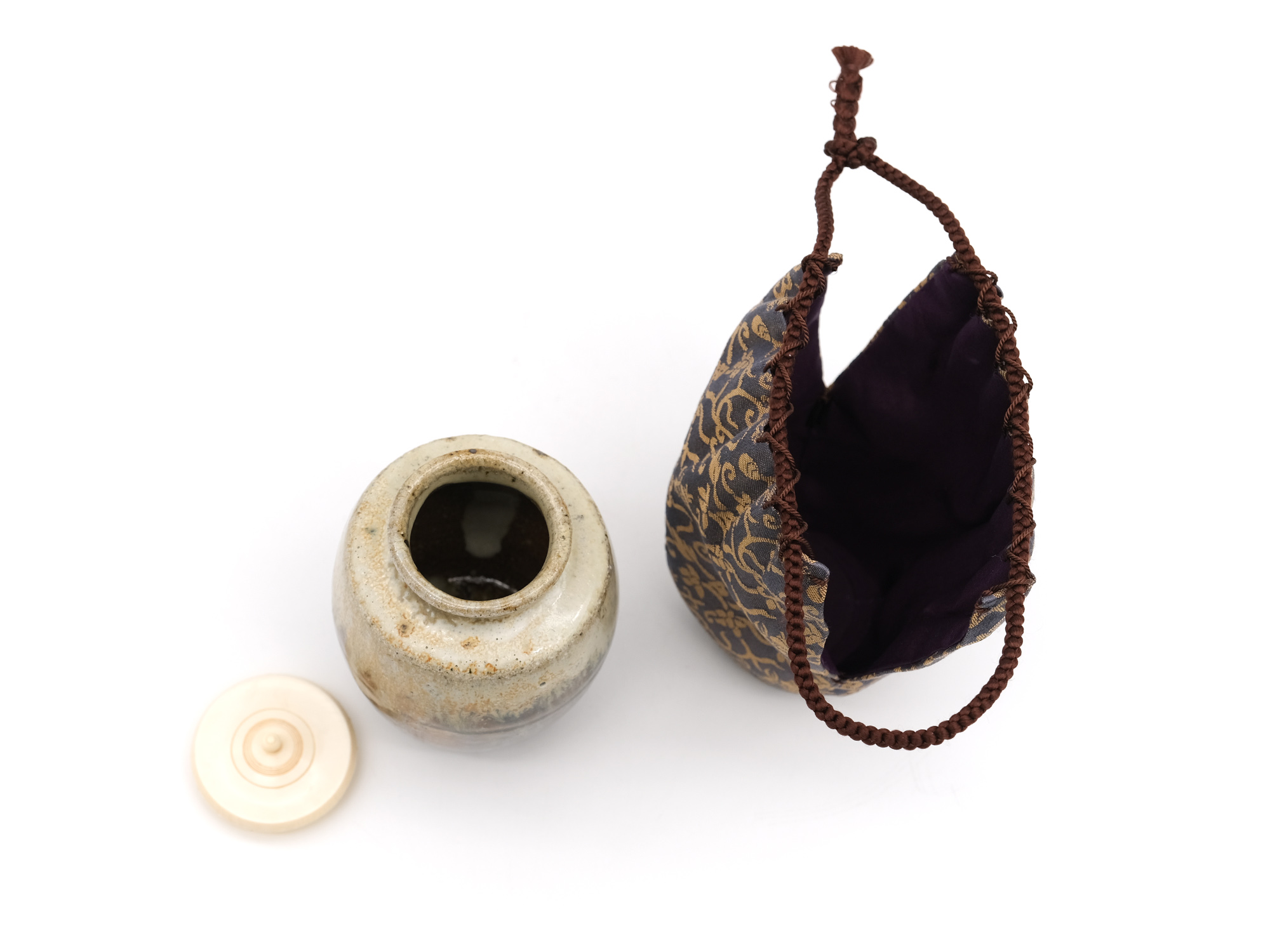
| Author name | Sakurei Okamoto |
| Work name | Korean Karatsu Shoulder-Weight Tea Caddy Comes with ivory lid and protective pouch (Shoo brocade). |
| price | 160,000 yen (excluding tax) (176,000 yen including tax) |
| box | Comes with a paulownia wood box (to be delivered later) |
| size | Φ 7.3 × H 9.2 (㎝) |
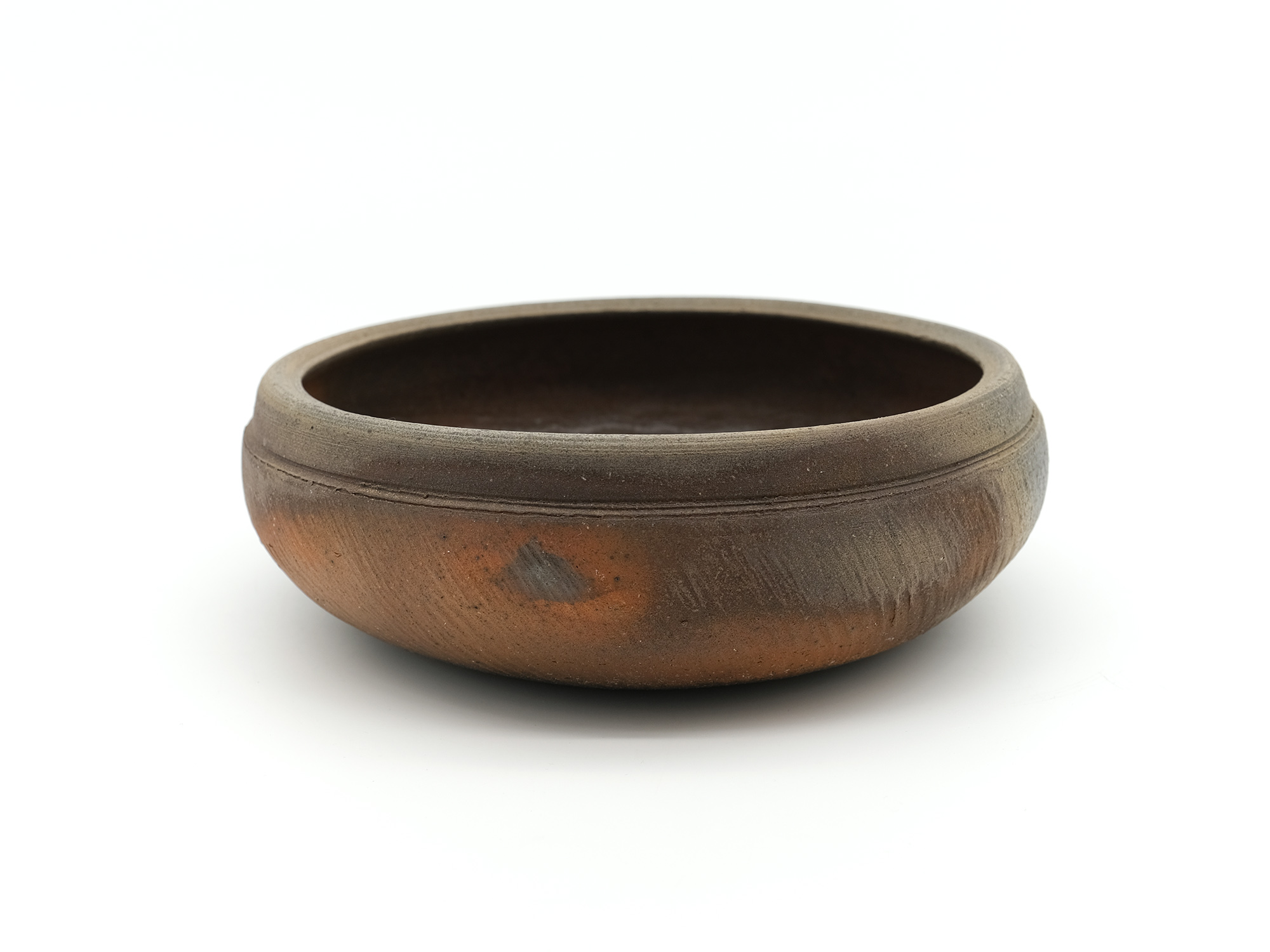

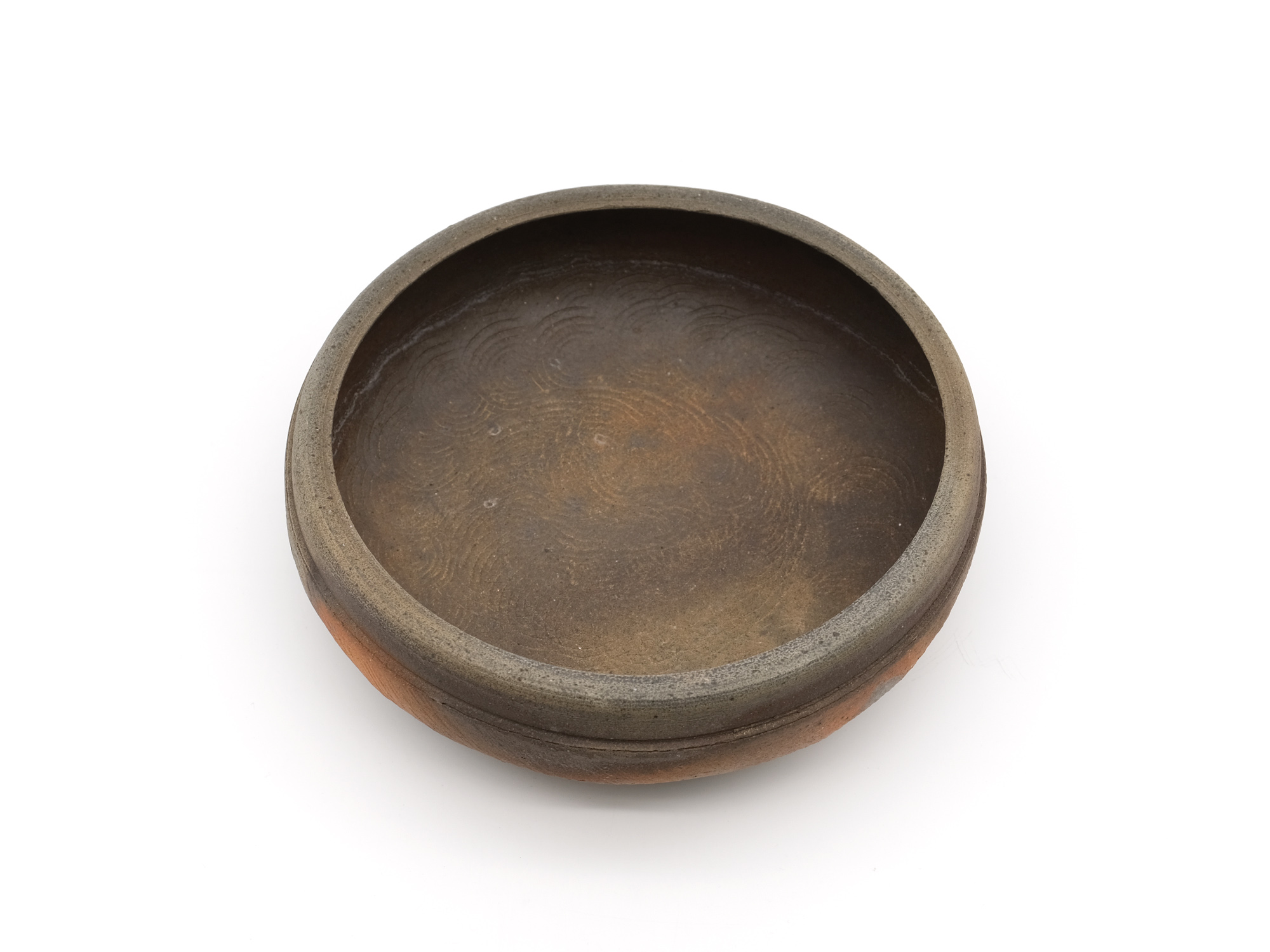
| Author name | Taki Nakazato |
| Work name | Karatsu Nanban Ash Container |
| price | 35,000 yen (excluding tax) (38,500 yen including tax) |
| box | Comes with a paulownia wood box (to be delivered later) |
| size | Φ 20.2 × H 6.7 (㎝) |
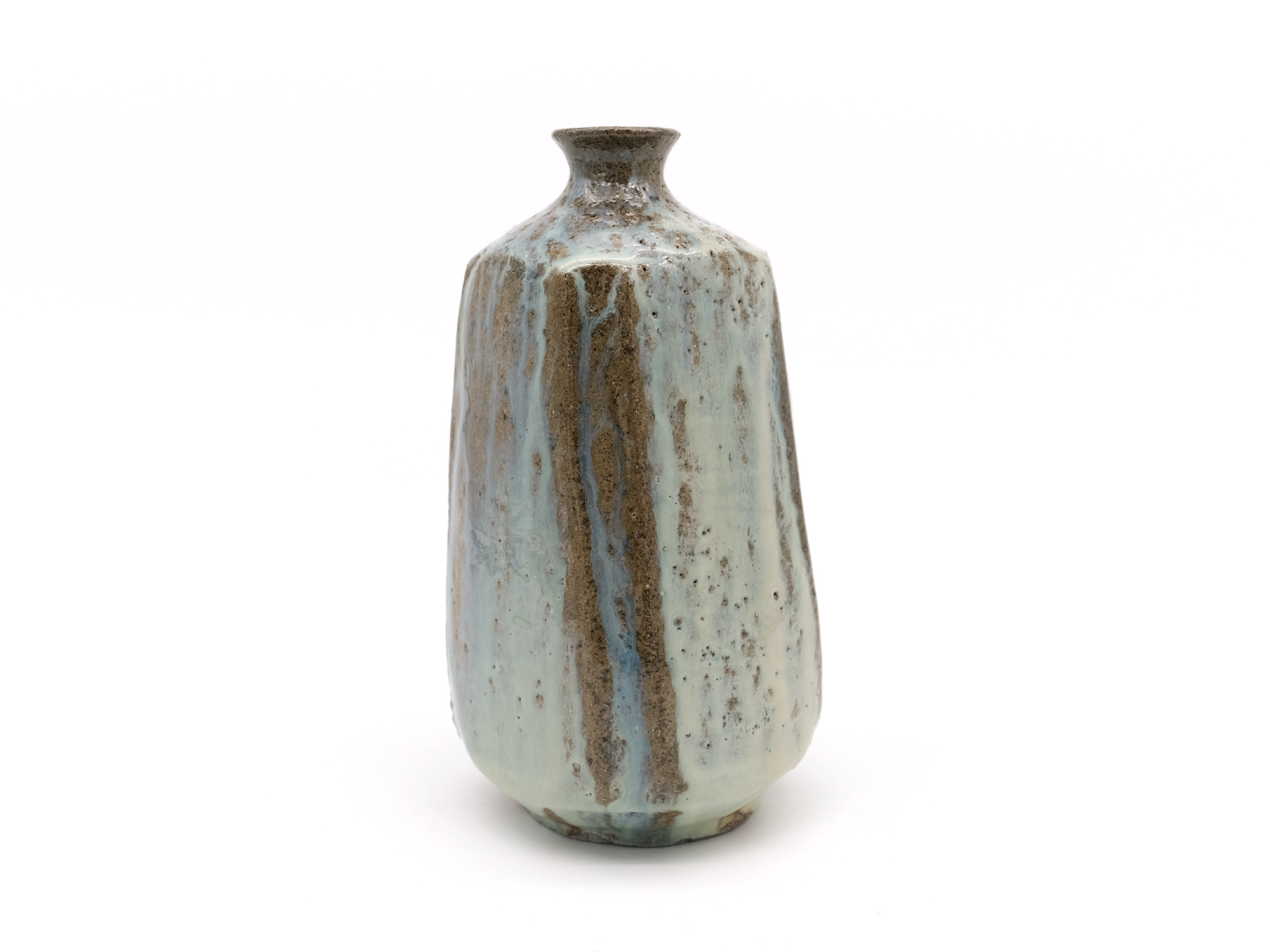
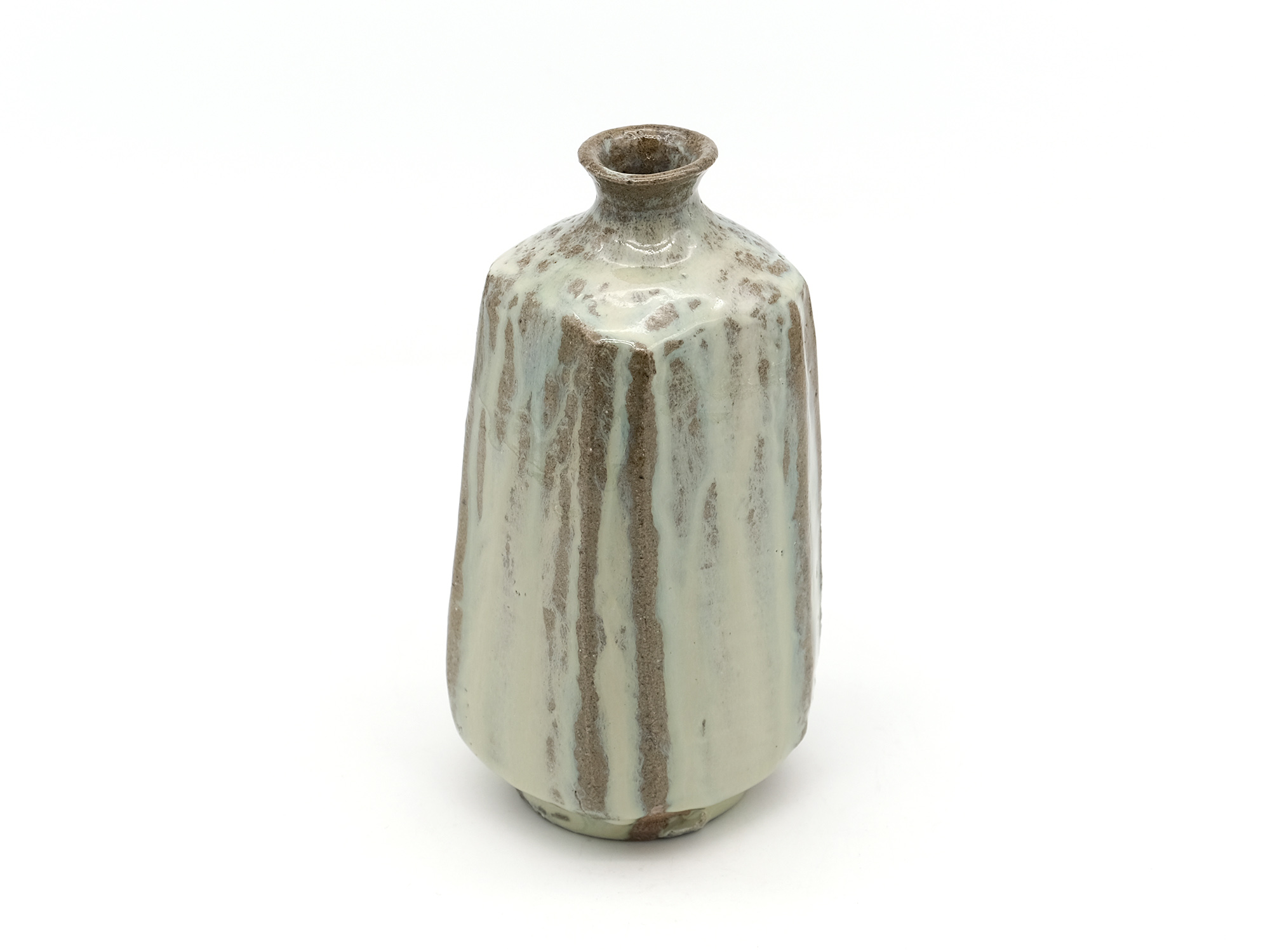

| Author name | Keiko Yoshino |
| Work name | Spotted Karatsu Square Flower Vase |
| price | 28,000 yen (excluding tax) (30,800 yen including tax) |
| box | Comes with a paulownia wood box (to be delivered later) |
| size | Φ 9.5 × H 18.7 (㎝) |
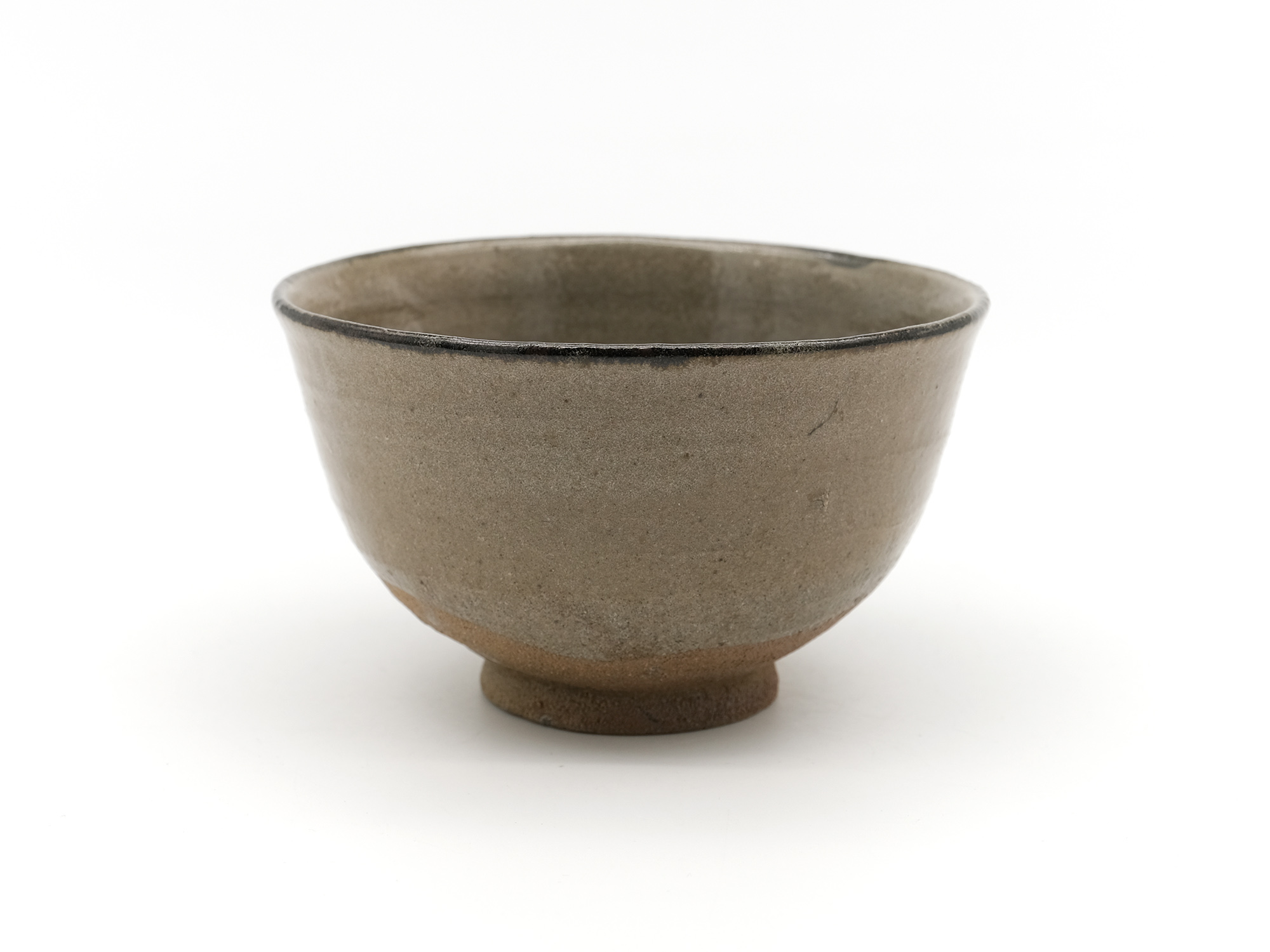
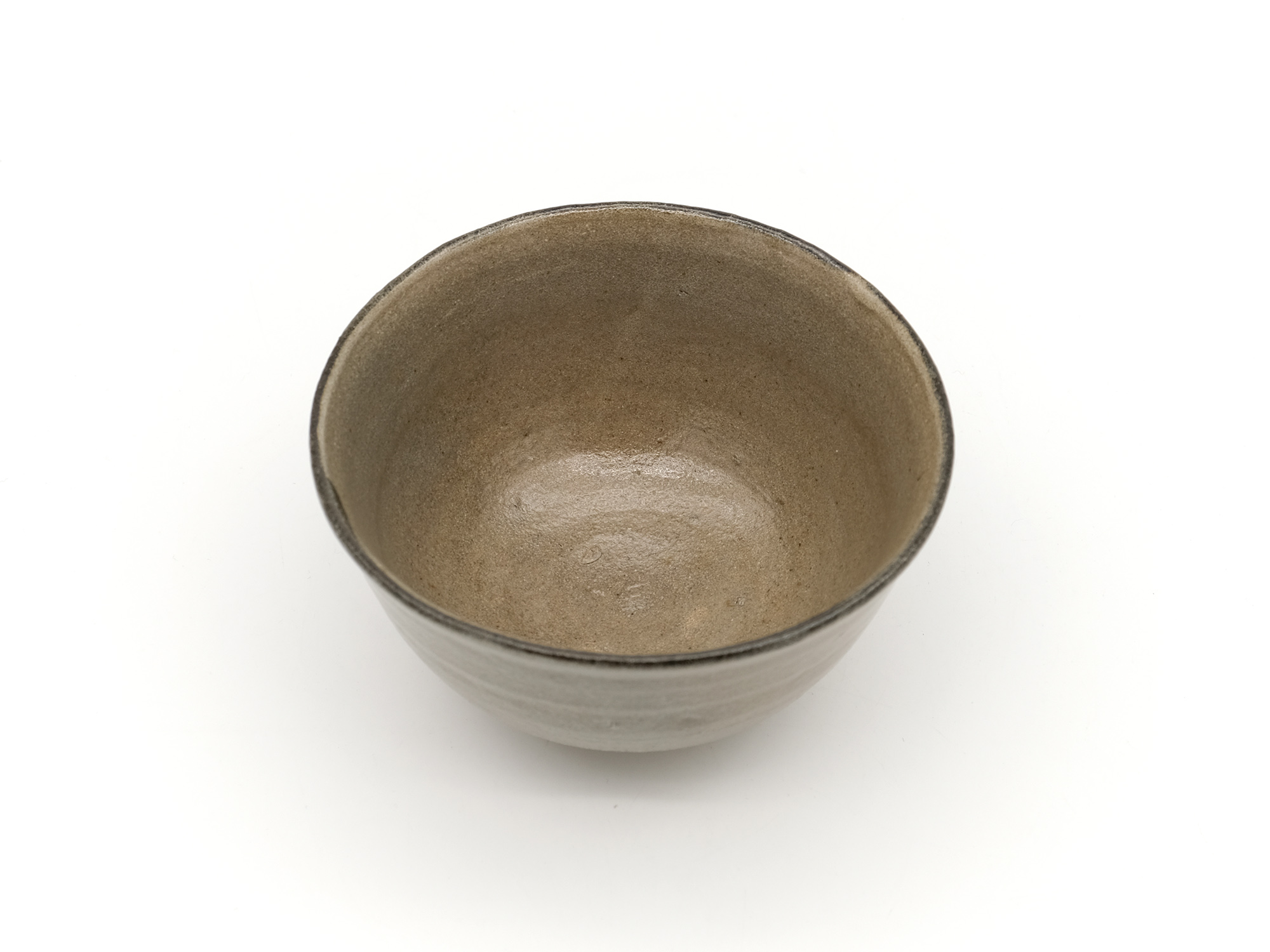
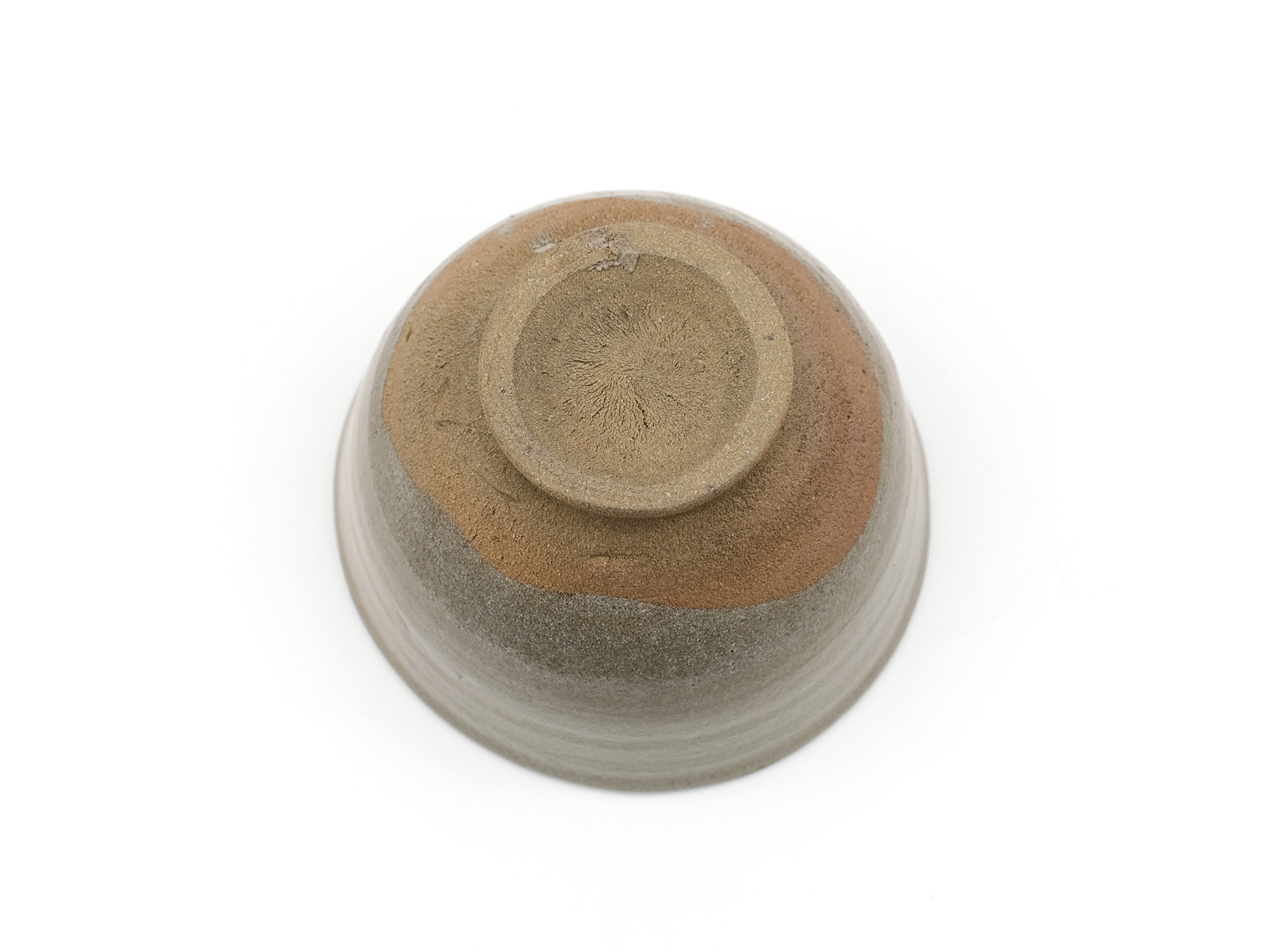
| Author name | Naoto Yano |
| Work name | skin whale bowl |
| price | 100,000 yen (excluding tax) (110,000 yen including tax) |
| box | Comes with a paulownia wood box (to be delivered later) |
| size | W 13.3 × D 12.7 × H 7.8 (㎝) |
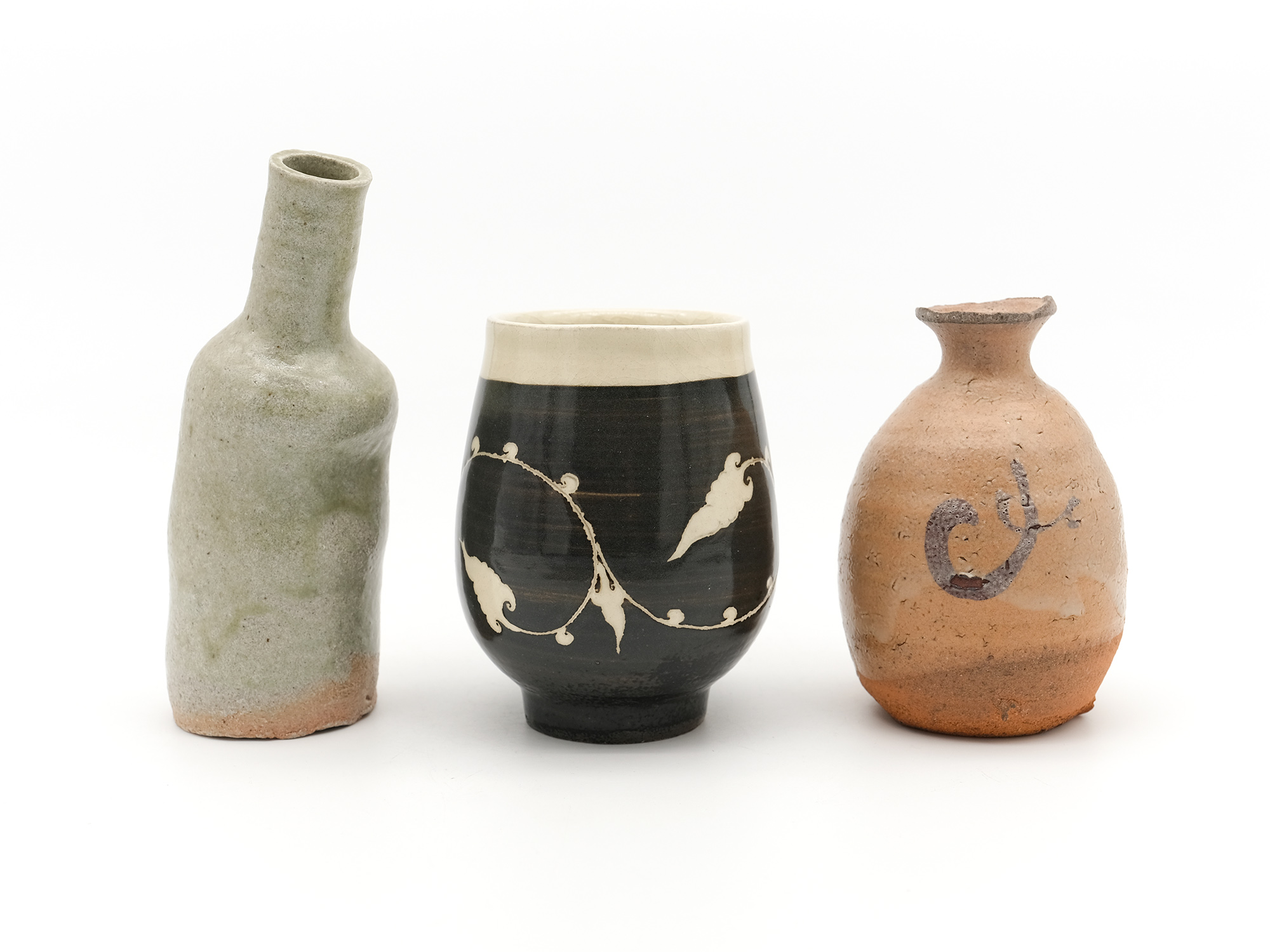

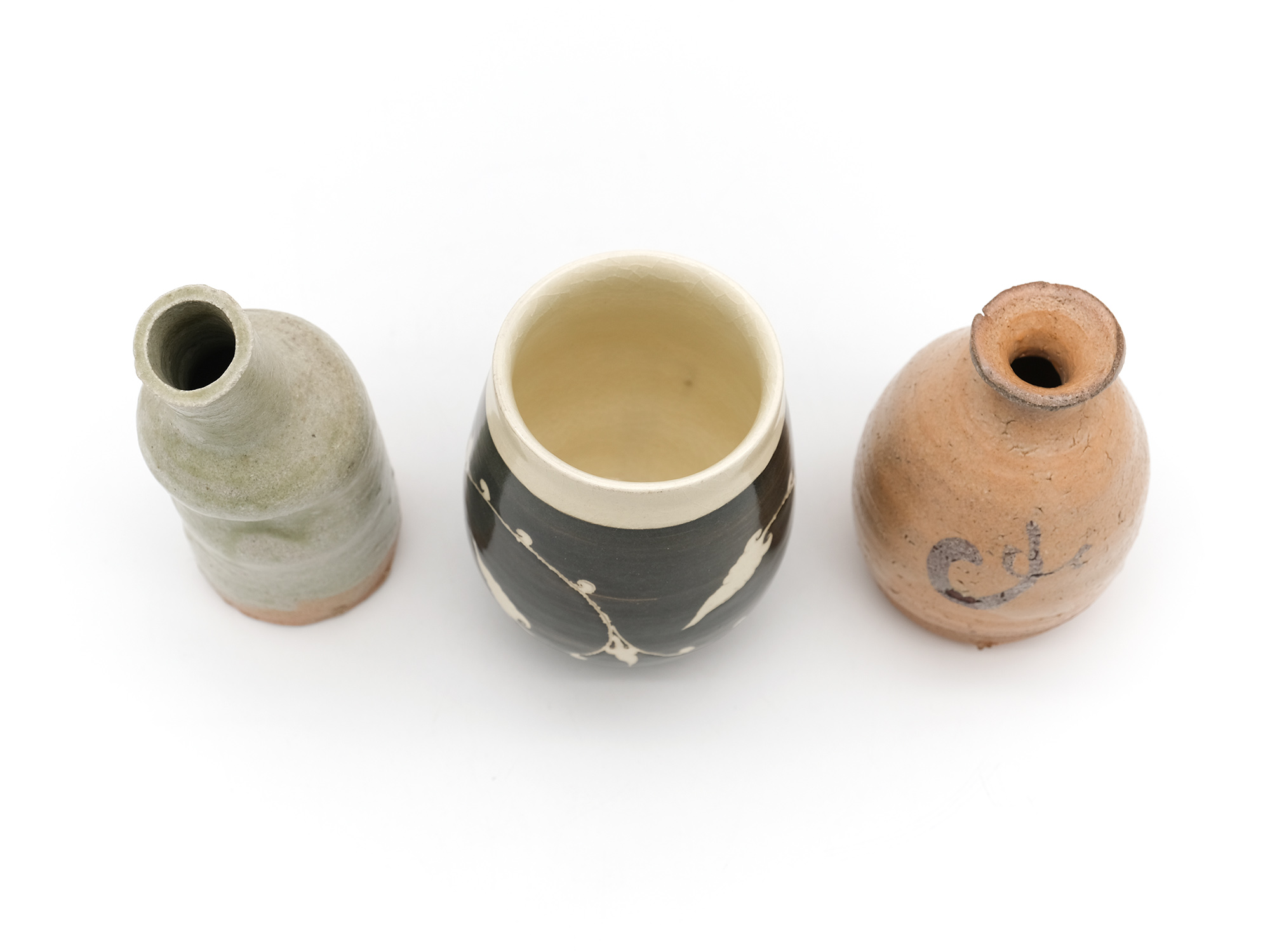
| Work name | [Left] Tokuhisa Toku / Yasumoto Kajiwara [Medium] Karatsu White Ground Black Scratched Cup / 14th Generation Tarouemon Nakazato [Right] Picture Karatsu Sake Bottle / Raizan Yasunaga |
| price | 20,000 yen (excluding tax) (22,000 yen including tax) 85,000 yen (excluding tax) (93,500 yen including tax) 25,000 yen (excluding tax) (27,500 yen including tax) |
| box | Comes with a paulownia wood box (to be delivered later) |
| size | W 7.0 × D 5.6 × H 14.6 (㎝) Φ 8.5 × H 10.6 (㎝) Φ 7.6 × H 11.2 (㎝) |
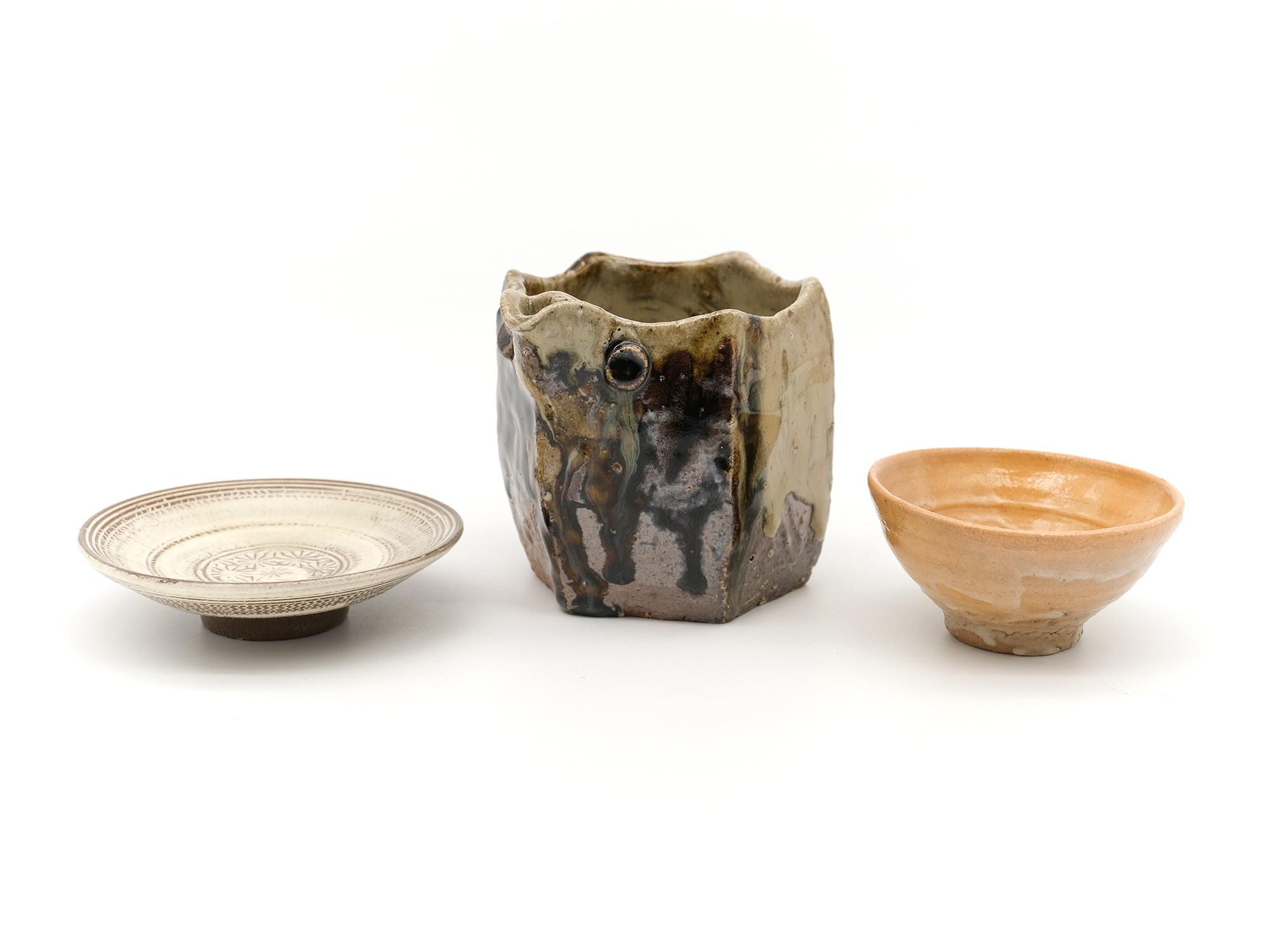
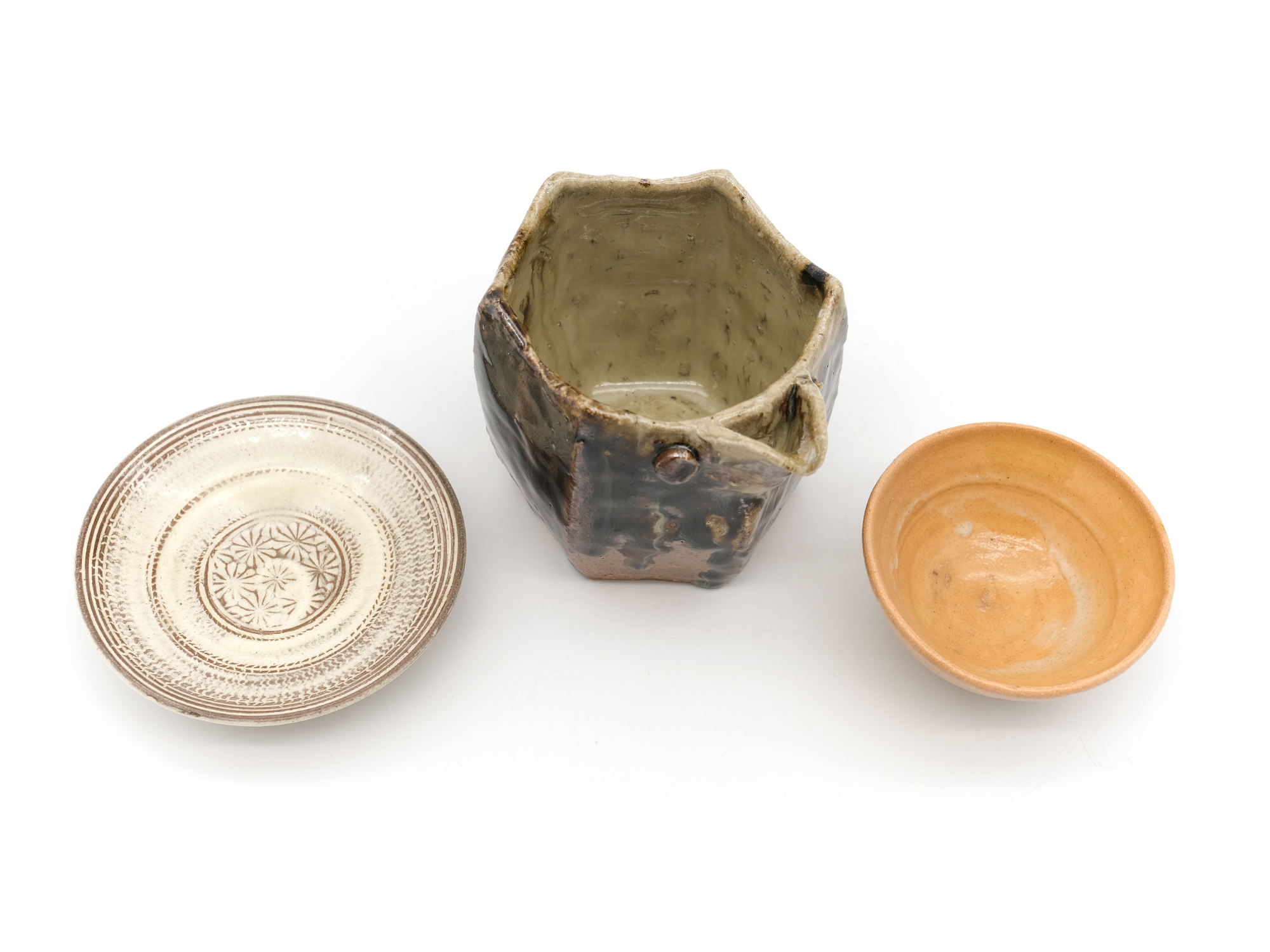

| Work name | [Left] Mishima small plate / Masahiro Takehana [Sold] [Center] Korean Karatsu Tortoise Shell Shaped Sake Pitcher / Dohei Fujinoki [Right] Ido sake cup / Rui Mitoh |
| price | 2,000 yen (excluding tax) (2,200 yen including tax) 30,000 yen (excluding tax) (33,000 yen including tax) 11,000 yen (excluding tax) (12,100 yen including tax) |
| box | No box With paper box Comes with a paulownia wood box (to be delivered later) |
| size | Φ 10.2 × H 2.1 (㎝) W 10.8 × D 8.0 × H 9.0 (㎝) Φ 8.2 × H 4.4 (㎝) |
Regarding sales methods
- ・
- DMWe accept advance reservations for the works displayed on this website before the exhibition begins. We will contact you approximately 20 days before the first day of the exhibition.DMWe ship the items and upload information to this website at almost the same time.
- ・
- For those who are unable to visit our gallery in person, we are happy to accept orders by phone or email.
- ・
- We look forward to receiving your inquiries.