Karatsu Ware Exhibition of 13 Artists - Karatsu's Forms, Tea Ceremony Ceramics, and Sake Vessels -
| Exhibition period Schedule |
February 23, 2018 (Fri) – March 1 (Thu) February 23 - March 1, 2018 |
| Gallery opening hours Opening Hours | Open from 11:00 AM to 7:00 PM (until 5:00 PM on the final day, March 1st). Open every day during the exhibition period. |
| Exhibiting artist Artist | Sakurei Okamoto , Yasumoto Kajiwara , Kiyomi Kawakami , Masahiro Takehana , Sajirou Tanaka , Taki Nakazato , Tarouemon Nakazato (14th generation), Setsuo Hamazaki , Dohei Fujinoki , Kentarou Murayama , Raizan Yasunaga , Naoto Yano , Keiko Yoshino (Alphabetical order) |
| Introduction Introduction |
Much of Japanese pottery developed in remote areas. That's because the raw materials, clay and firewood, are available in that location. Because pottery developed in remote areas, it often incorporates many characteristics of the local climate and region. Just as the taste of vegetables changes depending on the water and soil, the characteristics of pottery also differ.
Karatsu pottery is technically influenced by the Korean Peninsula, but it is made using Karatsu clay and fired in Karatsu kilns. In other words, Karatsu ware can be defined as pottery that embodies the local culture and regional characteristics of Karatsu. That's why ceramic artists are so particular about the clay they use as their material. That hasn't changed, neither in the past nor the present. When the natural environment of Karatsu (the unique characteristics of the clay) and the inner nature (sensibility) of the artist resonate with each other and form a single entity, the form of Karatsu pottery is born. The distinctive style of Karatsu ware lies not merely in its external form, but in the intrinsic development that gave rise to that unique character. I believe that this endogenous development gives rise to the individuality and philosophy of pottery.
In a sense, modern times are an era of loss of individuality. While contemporary ceramics may appear unique at first glance, creation that does not acknowledge intrinsic development is nothing more than a work without a foundation. The artists of Karatsu learn the fundamentals from classical works and are challenging themselves to create contemporary Karatsu pottery.
Sakurei Okamoto is challenging the status quo in contemporary Karatsu pottery by seriously engaging with the clay material. The artist's prayerful attitude can be seen in the Karatsu pounded earthenware piece, "2018 Sunrise."
Yasumoto Kajiwara 's "Jeong Won (Geumgangsan Mountain Painting)" is a sculptural work inspired by Mount Geumgang, a famous mountain on the Korean Peninsula. I sense a new challenge for Mr. Kajiwara.
Kiyomi Kawakami 's "Black Karatsu Tea Bowl" is a tea bowl created using a carving technique not found in Karatsu ware, and it is made over time while she converses with the clay. Therefore, it reflects the artist's aesthetic sensibilities.
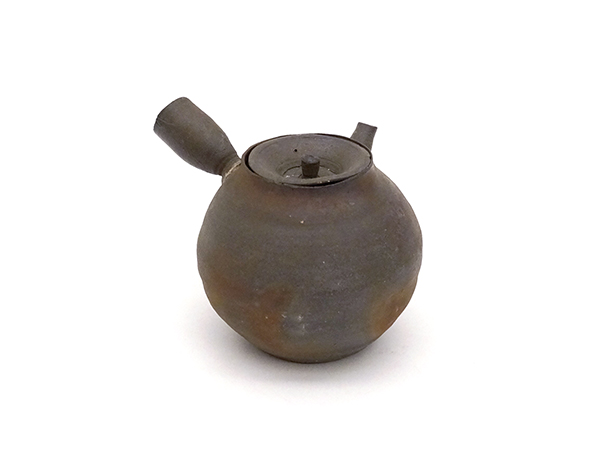
Masahiro Takehana 's "Nanban Tea Pitcher" possesses a dignified elegance amidst its simple design. It has long been said that "you can tell a potter's skill by looking at their teapot."
Sajirou Tanaka creates pottery with a deep connection to all things in heaven and earth, risking his life for it. He is truly a ceramic artist dedicated to his craft. His intense way of life can be felt even in his "Karatsu tea bowls."
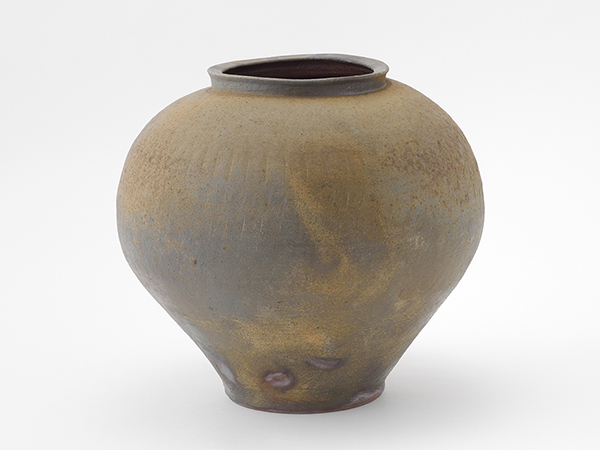
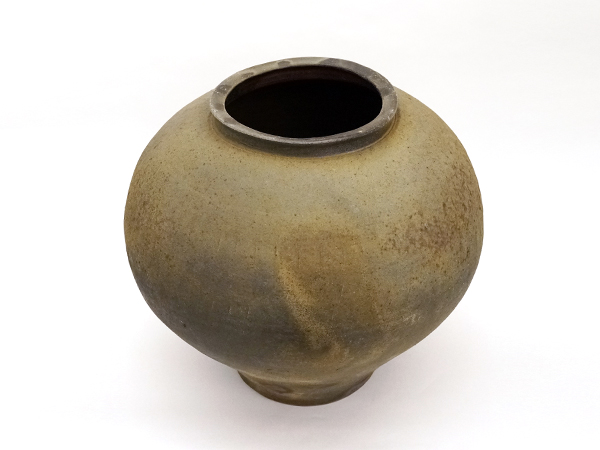
Taki Nakazato 's "Karatsu Nanban Hammered Vase" is a vase with a beautiful form. The body tapers towards the base, making the overall piece appear larger. Furthermore, the kiln firing process creates a very attractive effect.
Tarouemon Nakazato XIV's "Tataki Ao Karatsu Jar" is made using a tataki technique, where the inside is hammered to create a plump, rounded shape. Additionally, the surface of the vase is stamped with chrysanthemum and lattice patterns.
Setsuo Hamazaki is a rare ceramic artist in Karatsu. Unbound by conventional notions of pottery, the artist creates freely. The ceramic figurines "Ichifuku no Toki" possess a mysterious atmosphere.
Dohei Fujinoki 's "Korean Karatsu Sake Pitcher," which features a combination of straw ash glaze and black amber glaze, reflects his gentle personality. The exhibition will also feature object-like works.
Kentarou Murayama 's "Painted Karatsu Vase" is bright and free-spirited, just like the sunlight in Karatsu. The patterns in the paintings also have a rhythmic quality that is characteristic of Karatsu.
Raizan Yasunaga 's "Karatsu Tea Bowl" is based on the Okukorai style of old Karatsu ware. While diligently learning the fundamentals, I aim to create a new form of Karatsu ware, a style that is uniquely my own.
Naoto Yano started out as a sculptor and now creates pottery using Karatsu and Joseon Dynasty styles as his models. The following works are his specialties, "Korean Karatsu sake pitchers" and "spotted Karatsu sake cups," but larger works will also be exhibited.
Keiko Yoshino is a very honest and refreshing writer. That natural, unpretentious attitude is reflected in his work. "Black Karatsu Ceramic Panel with the inscription 'Waves'" is a contemporary expression of Karatsu ware using its materials and techniques.
Kouichi Mori (Art critic, Standing Director of the Japan Ceramic Society) |
| Biography Biography | ■ Sakurei Okamoto Okamoto Sakurei Born in Karatsu in 1958. 1979: Trained at a Karatsu ware pottery studio. 1989: Built a kiln at the current location. Since then, her activities have centered around holding four solo exhibitions annually. Currently, part-time lecturer at Saga University Member of the Saga Prefecture Ceramic Artists Association ■ Yasumoto Kajiwara Kajihra Yasumoto Born in 1962 in Minamihata, Imari City. 1980: Graduated from Arita Technical High School, Department of Design, and apprenticed at Taiko Sannomaru Kiln, a Karatsu ware pottery studio. In 1989, I studied under Mr. Kitamine Daimaru and learned about sencha tea ceremony utensils. August-November 2003: Overseas training in South Korea September 2005: NHK BS2 broadcast "Reviving the Wabi-style Tea Bowl". June 2007: Appeared on NHK Educational TV's "The Beauty of Things." ■ Kiyomi Kawakami Kawakami Kiyomi Born in 1948 in Tsushima City, Nagasaki Prefecture. From 1979, I trained in Seto, Karatsu, and Bizen. Since 1986, I have studied under Sajirou Tanaka in Karatsu. Established in 1988 in Handa, Karatsu City. Solo exhibitions held at department stores and galleries throughout Japan since 1990. ■ Masahiro Takehana Takehana Masahiro Born in Tokyo in 1974. In 2000, I trained for three years at Aya Kiln in Karatsu. In 2003, a split-bamboo climbing kiln was built in Kyōki Town. 2004: First firing of the kiln Since then, he has held solo and group exhibitions in various locations. ■ Taki Nakazato Nakazato Taki Born in Karatsu in 1965. In 1988, I began working with pottery under the guidance of my father, Takashi Nakazato In 1993, exhibited in a three-person exhibition at Kakiden Gallery with Takashi Nakazato and Oku Sanjuro. 1994: Exhibited at a father-son exhibition at Manyodo Miyuki store. Since then, he has held solo exhibitions in various locations. ■ Sajirou Tanaka Tanaka Sasjiro Born in Fukuoka Prefecture in 1937. 1965: Began studying Jomon and Yayoi pottery and practicing hand-building. In 1971, he began his pottery-making activities after excavating the ancient kiln site of Hizen Karatsu. In 1975, he built a climbing kiln in Karatsu. In 2004, a climbing kiln was built in South Korea. Solo exhibition at Lotte Department Store in Seoul, South Korea in 2008. Solo exhibition in Geneva, Switzerland, 2014. 2016: Two-person exhibition of works by Munemaro Ishiguro in New York. ■14th Generation Tarouemon Nakazato Nakazato Tarouemon Born in 1957 as the eldest son of the 13th generation Tarouemon Nakazato In 1984, his hand-painted blue Karatsu ware vase "Kai-ryoku" was selected for the first time at the 16th Nitten Exhibition. In 2002, he became a member of the International Academy of Ceramics (IAC) and succeeded to the name of the 14th Tarouemon Nakazato In 2005, his work "Karatsu Ido Tea" was selected for the 52nd Japan Traditional Crafts Exhibition, and he was selected seven more times until 2013. In October 2006, during the visit of Their Majesties the Emperor and Empress to Saga Prefecture, the Tojinmachi Tea Kiln, which was designated a national historical site, and We were honored to have them inspect our workshop and to give an explanation. A "Hand-beaten Korean Karatsu Vase" was presented to Their Majesties from Saga Prefecture. Became a full member of the Japan Crafts Association in 2007. In 2010, he was appointed Vice Chairman of the Saga Prefectural Ceramics Association. In 2011, he received the Karatsu City Municipal Service Award and the Blue Ribbon Medal. ■ Setsuo Hamazaki Hamasaki Setsuo Born in Kumamoto Prefecture in 1948. 1965-1967: Moved to the United States and attended classes at Nebraska State University. From 1969 to 1980, I studied painting, sculpture, and ceramics while working in various parts of Japan. Established in 1981 in Ochi-cho, Saga Prefecture. 1996 Japan-Korea Outdoor Sculpture Exhibition (Enhaku) 1998 Exhibited at the Korea-Japan Ceramics Exhibition (Korea) Solo exhibition at Fukuoka Mitsukoshi Art Gallery in 2012 Held solo exhibitions in various locations, and continues to do so to this day. ■ Dohei Fujinoki Fujinoki Dohei Born in Niigata Prefecture in 1949. 1975: Studied under Mr. Hiroshi Ohashi in Karatsu. 1978: Studied under Yoshiemon Kato in Mino Province. In 1980, Tsuchihira Kiln was opened in Chinzei Town. ■ Kentarou Murayama Murayama Kentaro Born in Karatsu City in 1978. Graduated from Arita Ceramic College in 2003, studied under Kiyomi Kawakami In 2008, I built a kiln in Karatsu City and became independent. Since then, solo exhibitions have been held in various locations throughout Japan. ■ Raizan Yasunaga Yanaga Raizan Born in 1970 in Masuda City, Shimane Prefecture. In 2001, I trained for two years under Sajirou Tanaka . In 2003, I trained for three years under Dohei Fujinoki . 2008: Built a climbing kiln. In 2013, he changed his name to Raiyama, a name given to him by Sajirou Tanaka In 2016, a tea ceremony exhibition was held at the Nomura Museum of Art in Kyoto. Selected for the Japan Traditional Crafts Exhibition 2017: Selected for the Tabe Museum of Art Grand Prize "Tea Ceremony Art Exhibition" Selected for the Western Japan Traditional Crafts Exhibition Selected for the Kikuchi Biennale ■ Naoto Yano Yano Naoto Born in Karatsu City in 1976. 1994: Studied abroad in the United States for five years. Graduated from Saga Prefectural Arita Ceramic College in 2002. 2003: Part-time lecturer at Saga Prefectural Arita Ceramic College 2004: Began making pottery at his home, Tonoyama Kiln. 2008: Created pottery for six months in Ulsan, South Korea. ■ Keiko Yoshino Yoshino Keiko Born in Imari City in 1972. In 1996, he trained at his father Yasuyoshi Yoshino 's Hazenotani Kiln. 2003: Studied pottery wheel techniques at Arita Ceramic College. In 2006, I studied traditional techniques in Thailand and Vietnam. In 2013, he became the owner of Hazenotani Kiln. |
| Artist in the gallery day Date Artist in Gallery | Sakurei Okamoto (February 23rd - 25th) Yasumoto Kajiwara (February 23rd - 24th) Masahiro Takehana (February 23rd - 24th) Taki Nakazato (February 24) Sajirou Tanaka (February 23) 14th Tarouemon Nakazato (February 23rd ~ 24th) Setsuo Hamazaki (February 25th) Dohei Fujinoki (March 1) Naoto Yano (February 23) Keiko Yoshino (February 23rd - 24th) |
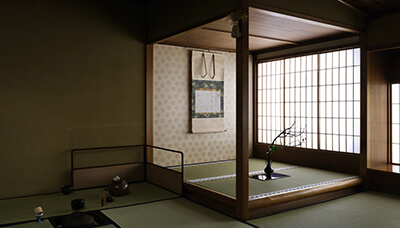
| notice Notice | ■Special Commemorative Tea Ceremony / February 24th (Sat) A special commemorative tea ceremony will be held in the tea room located above the Kakiden Gallery. The host will be Taki Nakazato one of the exhibiting artists. Even if you've never participated in a tea ceremony before, you are more than welcome, so please feel free to come and enjoy a cup of tea with tea utensils that have a connection to Karatsu. • Date and Time: Saturday, February 24th, three seating sessions available at 10:00, 11:00, and 13:00. - Host: Taki Nakazato • Location: Shinjuku Kyo-kaiseki Kakiden (Yasuyo Building, 3-37-11 Shinjuku, Shinjuku-ku, Tokyo) The light tea ceremony room "Zangetsu (9th floor)" and the dim sum room "Kokin Salon (6th floor)" Reception and donations: An'yo Hall (7th floor) *Please arrive 15 minutes before seating begins. • Membership fee: 5,000 yen (tax included) * Dress code: casual ・Required: about 2 hours ・Application: Those who wish to apply should contact Kakiden Gallery by phone, fax, or email. The deadline is Thursday, February 22nd. We look forward to receiving your applications. <Contact Information> TEL 03-3352-5118 FAX 03-5269-0335 e-mail gallery@kakiden.com Phone calls are accepted from 11:00 AM to 7:00 PM (excluding gallery closing days). ■Collaboration exhibition held concurrently "Karatsu Spring Pottery Exhibition / GALERIE AZUR (Shibuya Cerulean Tower)" As a collaborative exhibition held concurrently with this exhibition, the "Karatsu Spring Pottery Exhibition" will be held at "GALERIE AZUR" in Shibuya, Tokyo. GALERIE AZUR is a wonderful gallery located on the first floor of the Cerulean Tower Tokyu Hotel, a landmark in Shibuya's west exit area. Many attractive pieces of pottery will surely be on display at this year's "Karatsu Spring Pottery Exhibition." I would be delighted if you could make the trip to Shibuya. • Exhibition period: February 23rd (Fri) - March 4th (Sun), 11:00 - 18:00 (Irregular closing days) Venue: 1F, Cerulean Tower Tokyu Hotel, 26-1 Sakuragaoka-cho, Shibuya-ku, Tokyo GALERIE AZUR http://1bankan.com/news/?cms_id=00000501 • Organized by: GALLERY 1bankan TEL&FAX: 03-6427-0029 e-mail: info@1bankan.com |
| Main exhibited works Main Exhibited Works |
|
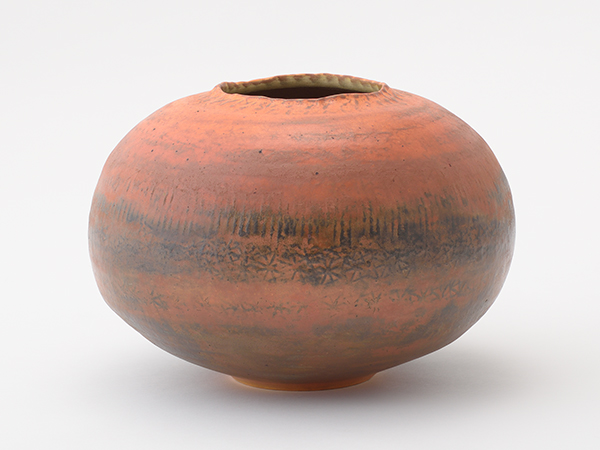

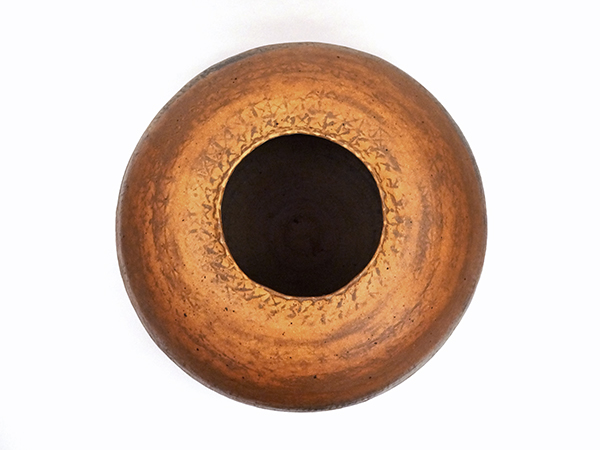
| Author name | Sakurei Okamoto |
| Work name | Karatsu hammered pot "2018 Hinode" [Sold] |
| price | 432,000 yen |
| size | φ34.8 × H24.5 |
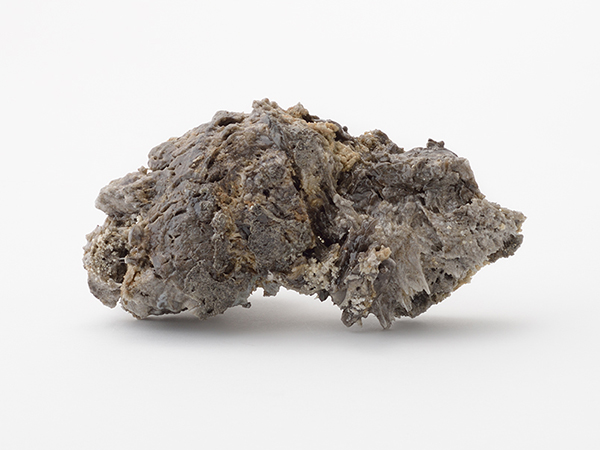
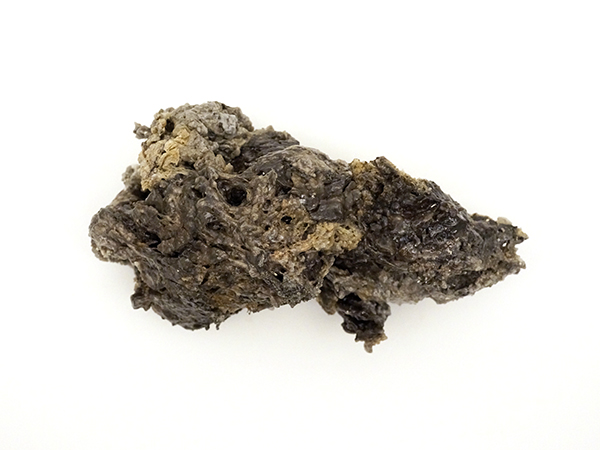
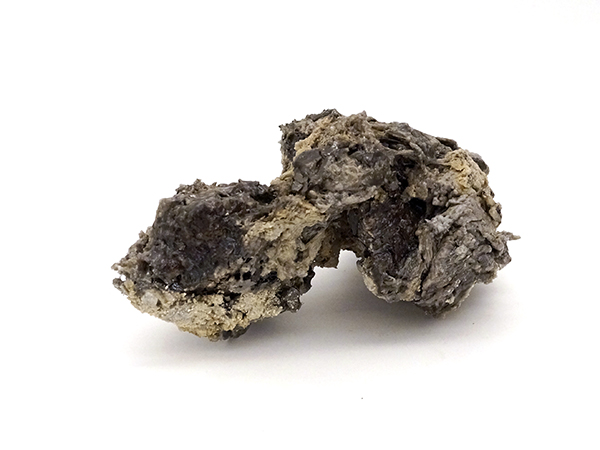
| Author name | Yasumoto Kajiwara |
| Work name | Jeong Won's "Geumgangsan Mountain Painting" [Sold] |
| price | 54,000 yen |
| size | W25.5 × D15.0 × H12.5 |

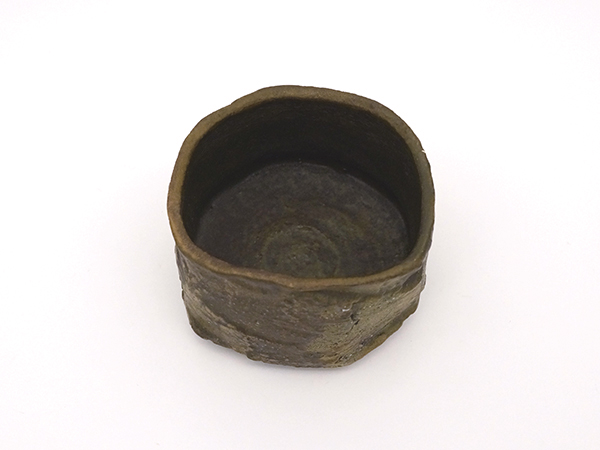
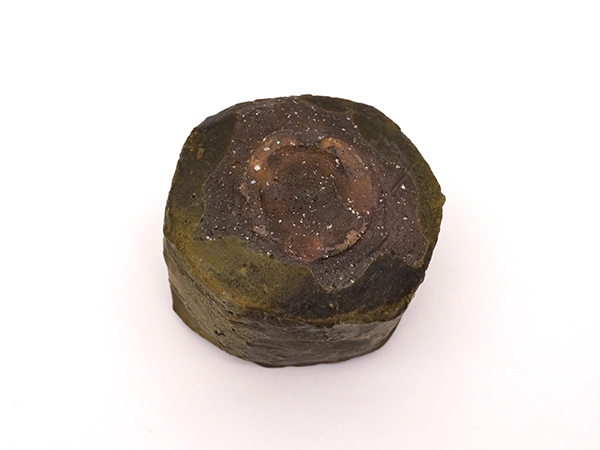
| Author name | Kiyomi Kawakami |
| Work name | Black Karatsu tea bowl |
| price | 378,000 yen |
| size | φ13.2 × H9.8 |
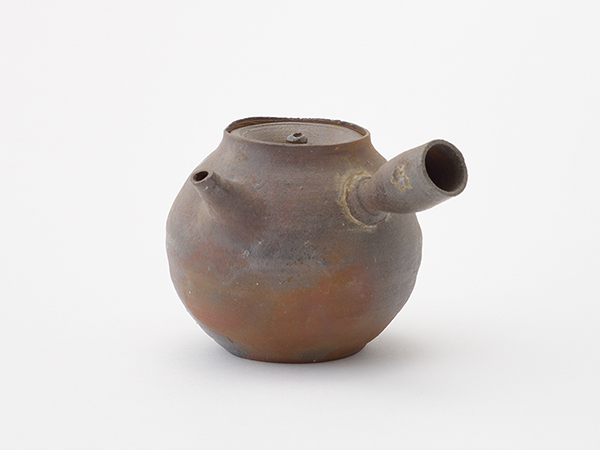
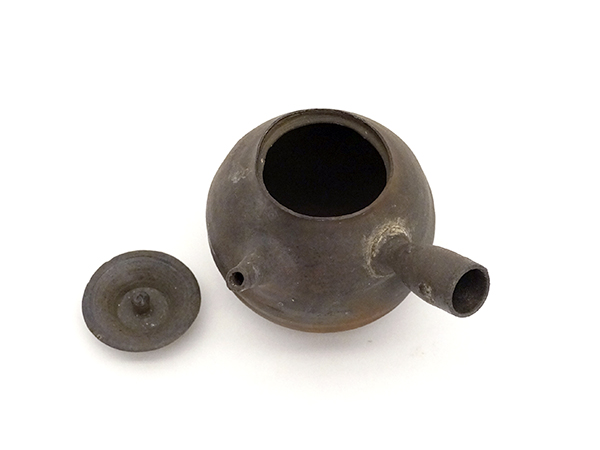
| Author name | Masahiro Takehana |
| Work name | Nanban tea pitcher [Sold] |
| price | 21,600 yen |
| size | W11.2 × D13.4× H8.7 |

| Author name | Taki Nakazato |
| Work name | Karatsu Nanban hammered pot |
| price | 432,000 yen |
| size | φ40.5 × H35.5 |


| Author name | Sajirou Tanaka |
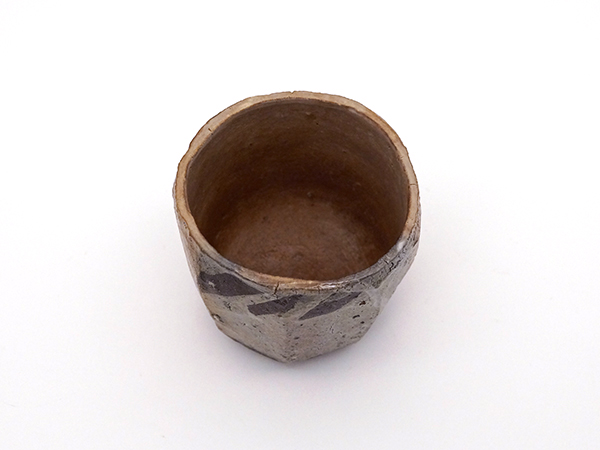
| Work name | Karatsu tea bowl |
| price | 700,000 yen |
| size | φ12.0 × H9.5 |
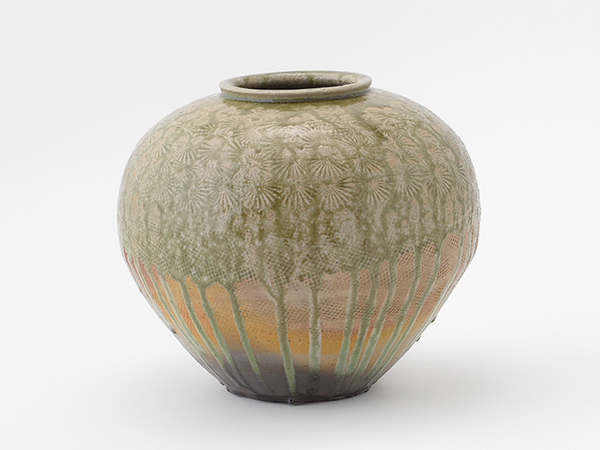
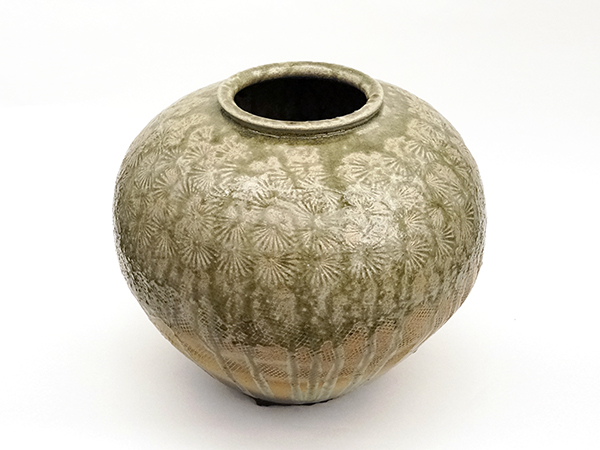
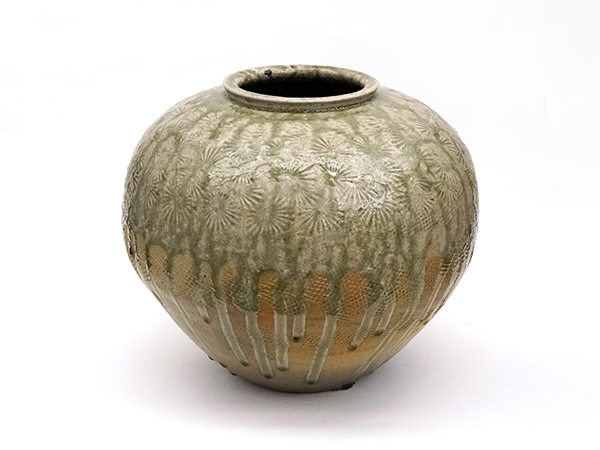
| Author name | 14th Tarouemon Nakazato |
| Work name | Hittaki Ao Karatsu Jar |
| price | 4,320,000 yen |
| size | φ35.7 × H30.4 |
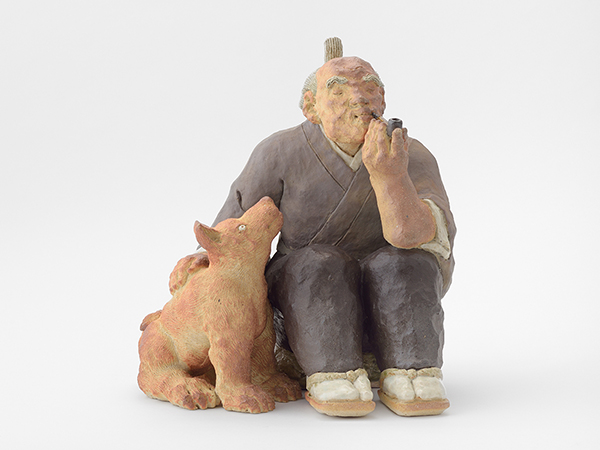
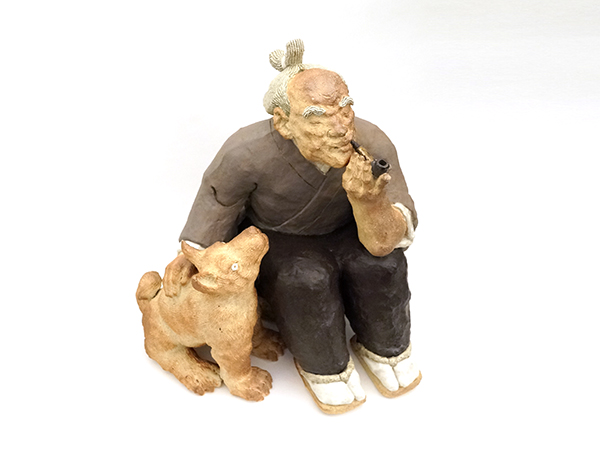

| Author name | Setsuo Hamazaki |
| Work name | Ichifuku no Toki |
| price | 410,400 yen |
| size | W35.0 × D33.0 × H41.0 |
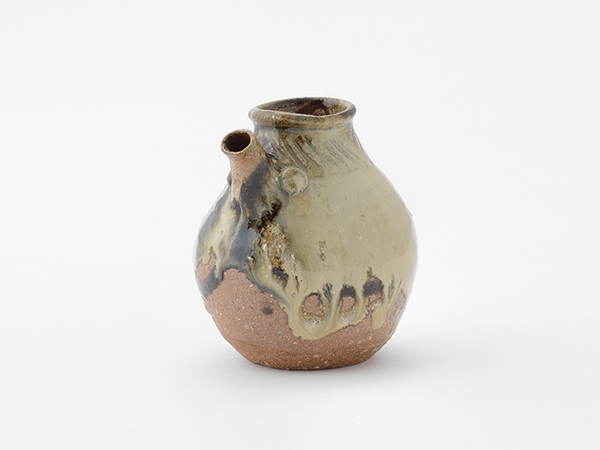
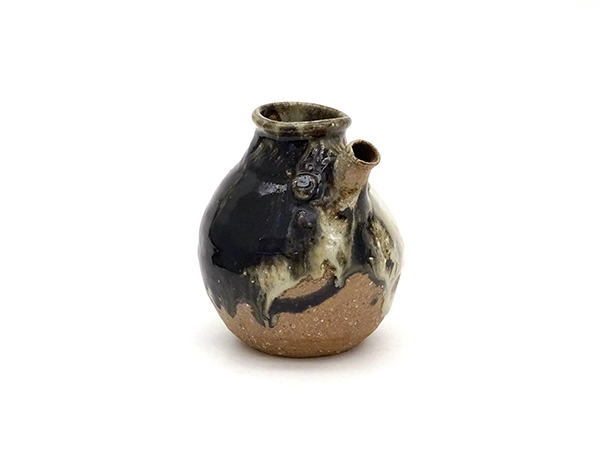
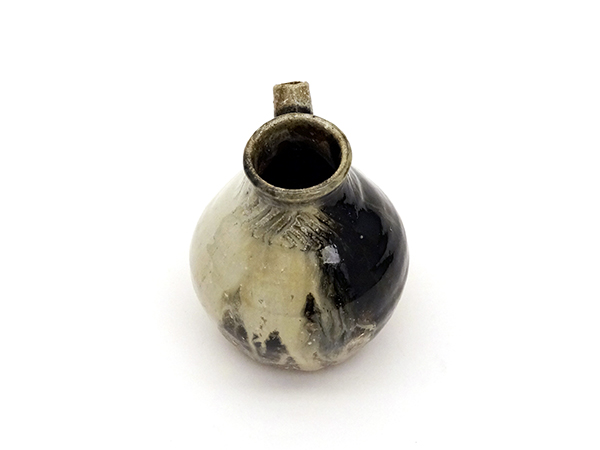
| Author name | Dohei Fujinoki |
| Work name | Korean Karatsu sake pitcher [Sold] |
| price | 32,400 yen |
| size | W10.5 × D9.3 × H11.2 |
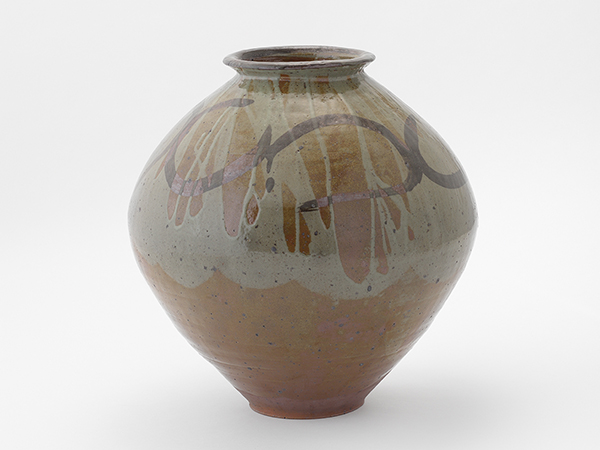
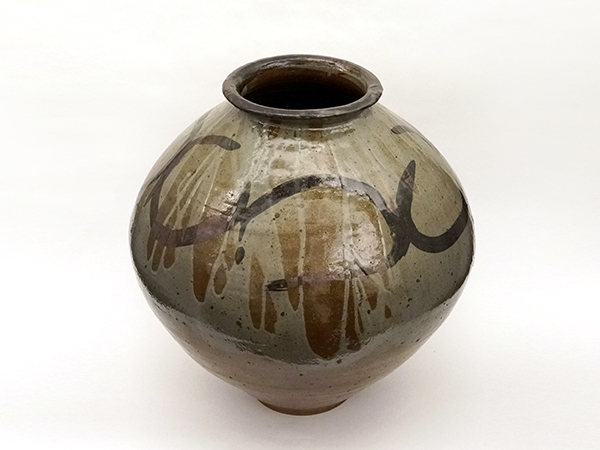
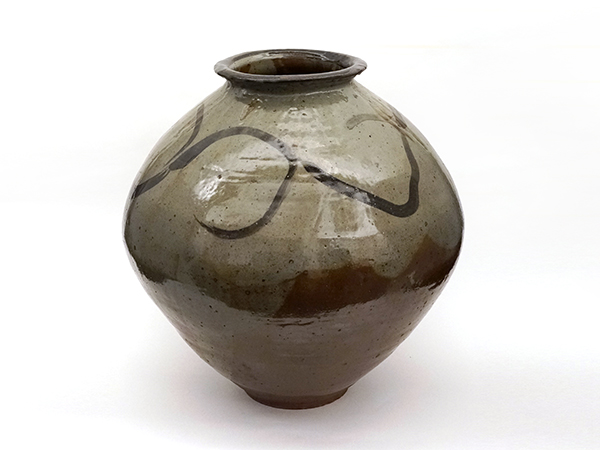
| Author name | Kentarou Murayama |
| Work name | Painted Karatsu ware vase |
| price | 302,400 yen |
| size | φ42.5 × H45.0 |
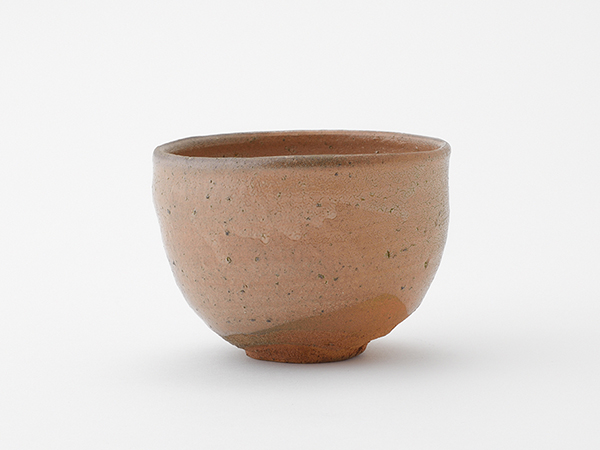
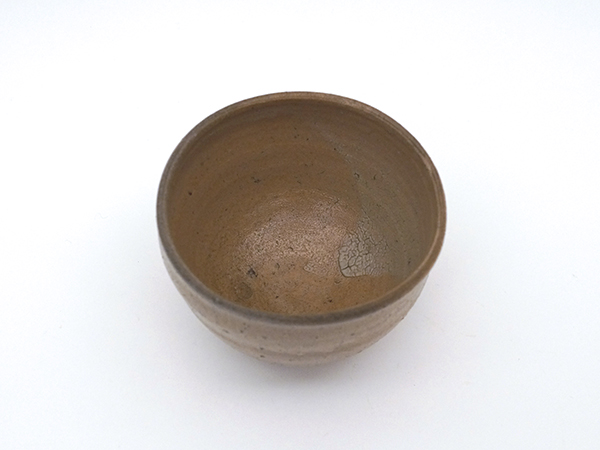
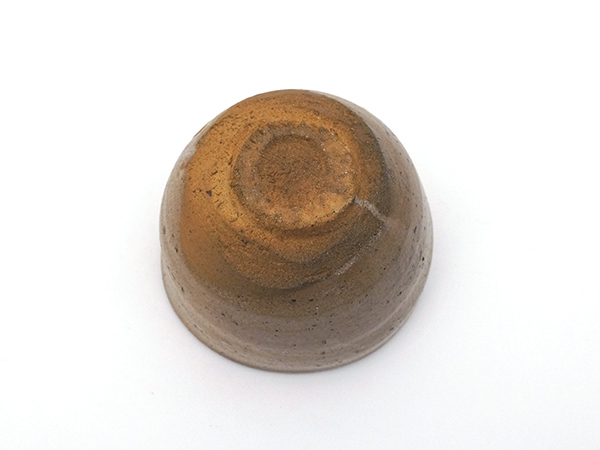
| Author name | Raizan Yasunaga |
| Work name | Karatsu tea bowl [Sold] |
| price | 97,200 yen |
| size | φ12.9 × H9.2 |
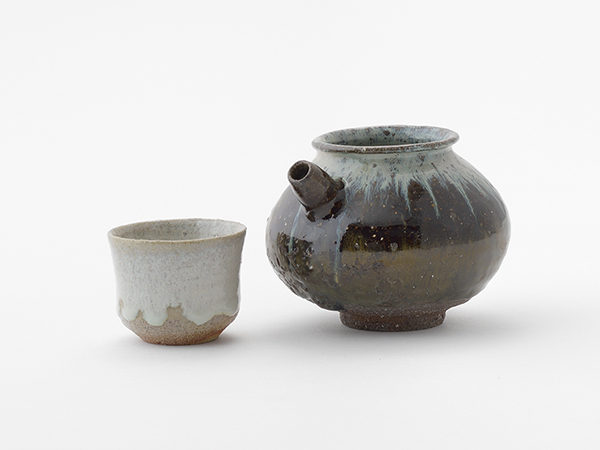
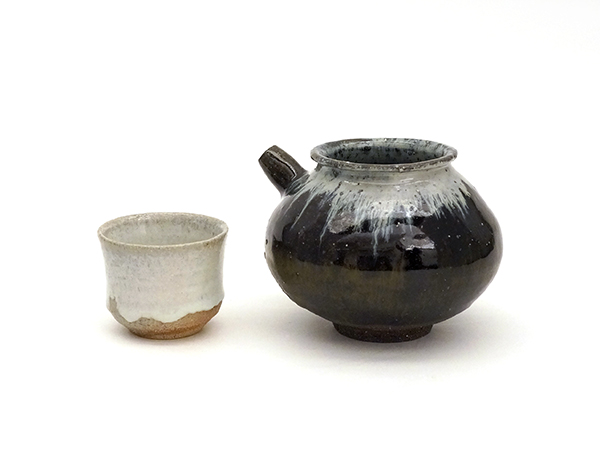
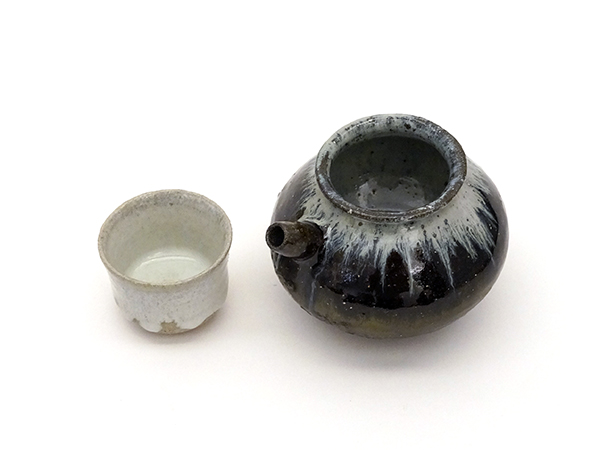
| Author name | Naoto Yano |
| Work name | Korean Karatsu sake carafe Spotted Karatsu sake cup [Sold] |
| price | 21,600 yen 12,960 yen |
| size | W12.5 × D11.5 × H9.2 φ6.5 × H5.2 |
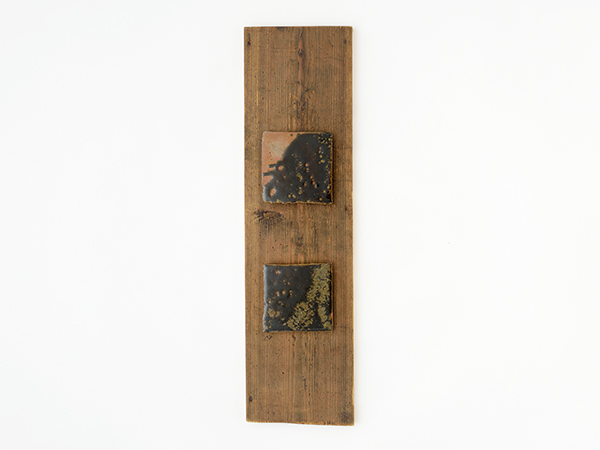

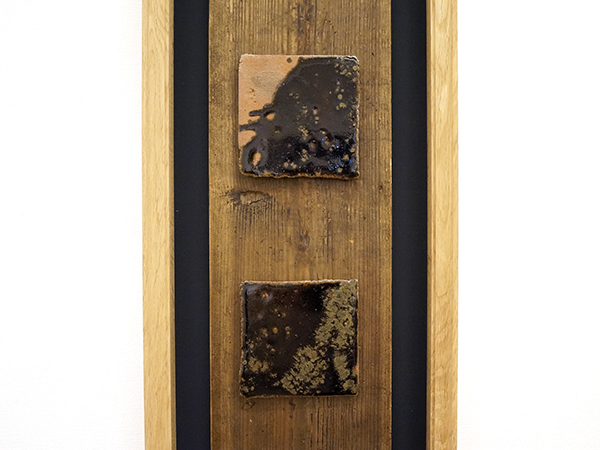
| Author name | Keiko Yoshino |
| Work name | Black Karatsu ceramic tile, inscribed "Waves" [Sold] |
| price | 108,000 yen |
| size | W20.0 × D3.5 × H73.5 |
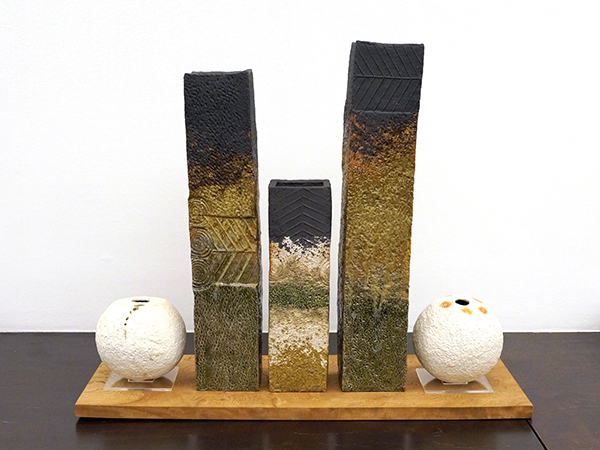
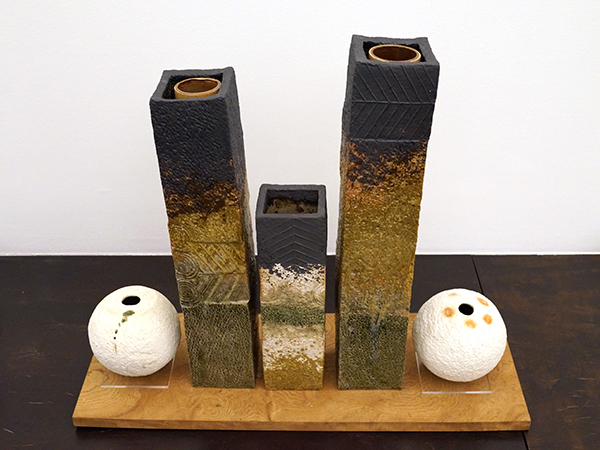
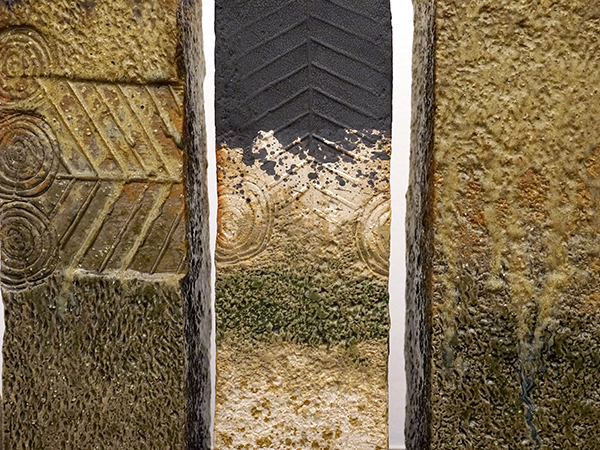
| Author name | Dohei Fujinoki |
| Work name | Karatsu "Tenchi Series" - Akira Senyama's Evening |
| price | 756,000 yen |
| size | W 83.5 × D 30.5 × H 68.5 (㎝) |

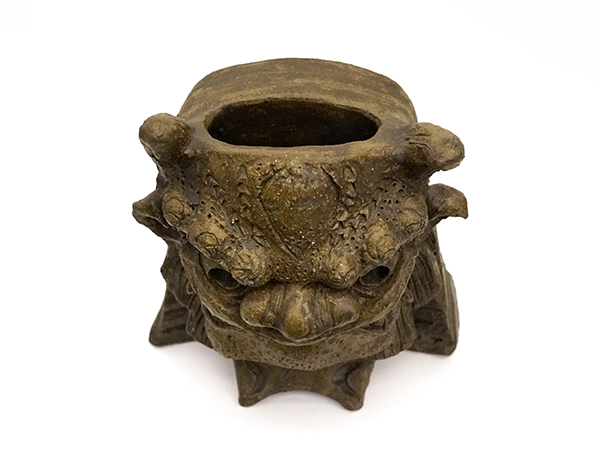

| Author name | Kiyomi Kawakami |
| Work name | Black Karatsu Ceramic Oni (Sold) |
| price | 432,000 yen |
| size | W 30.6 × D 22.0 × H 30.6 (㎝) |
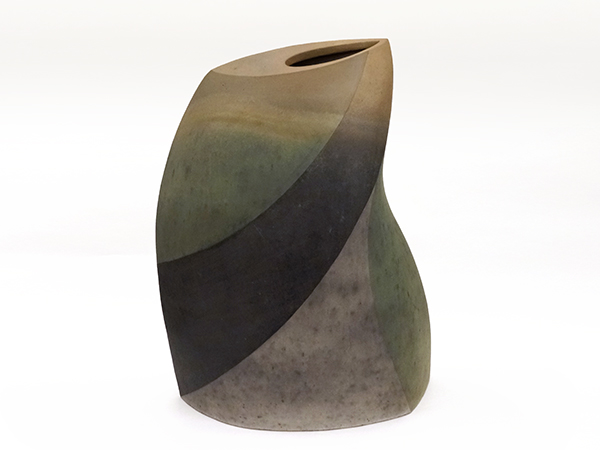
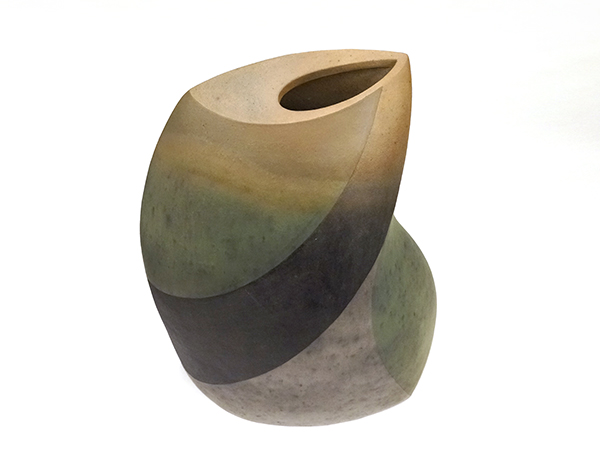
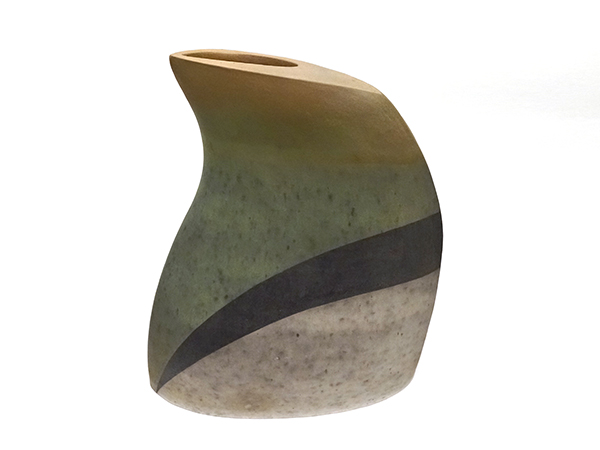
| Author name | 14th Tarouemon Nakazato |
| Work name | Karatsu-style ceramic torso |
| price | 3,240,000 yen |
| size | W 46.0 × D 26.8 × H 57.0 (㎝) |
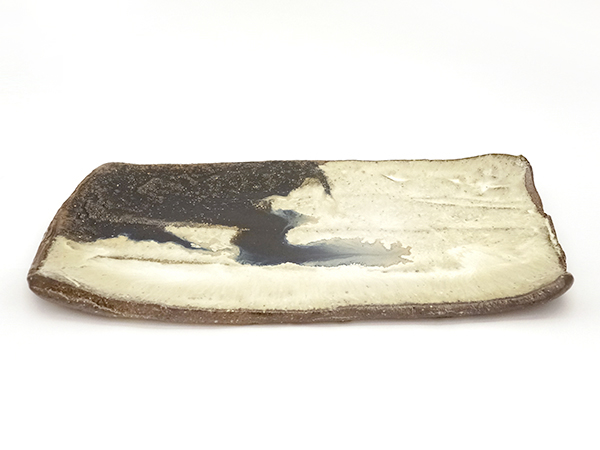
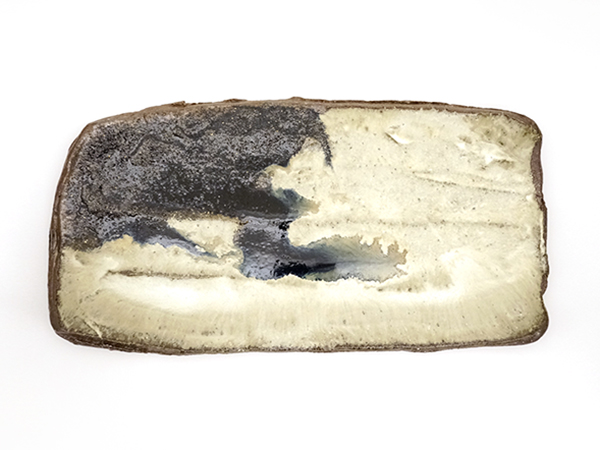
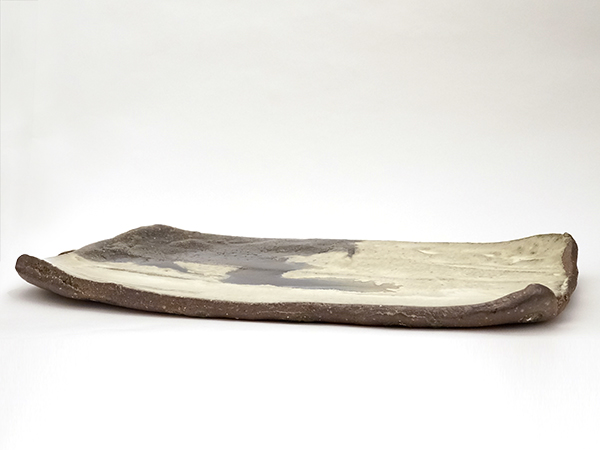
| Author name | Raizan Yasunaga |
| Work name | Korean Karatsu Square Plate |
| price | 162,000 yen |
| size | W 57.0 × D 30.0 × H 5.2 (㎝) |
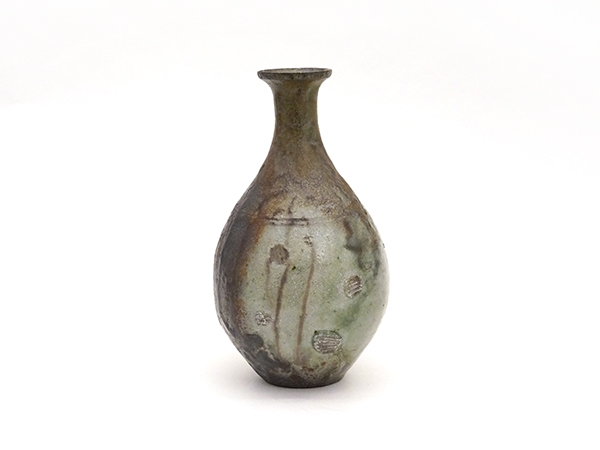
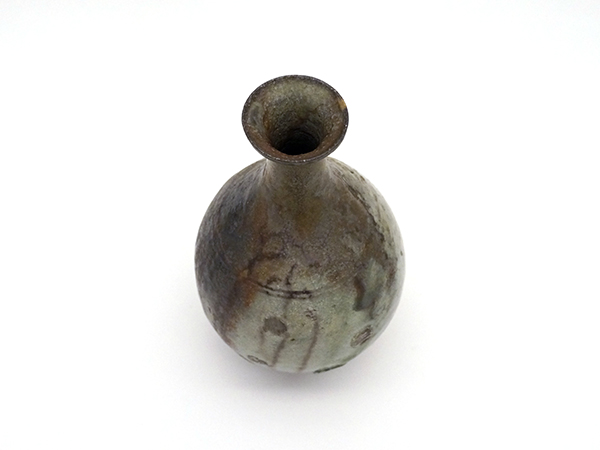

| Author name | Sakurei Okamoto |
| Work name | Blue Karatsu ware vase [Sold] |
| price | 86,400 yen |
| size | Φ 12.6 × H 22.2 (㎝) |
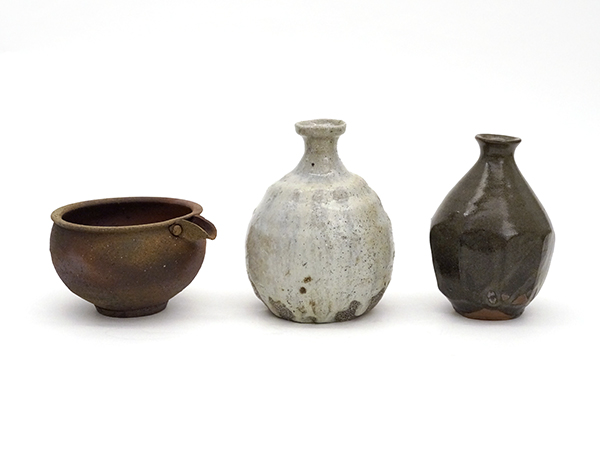
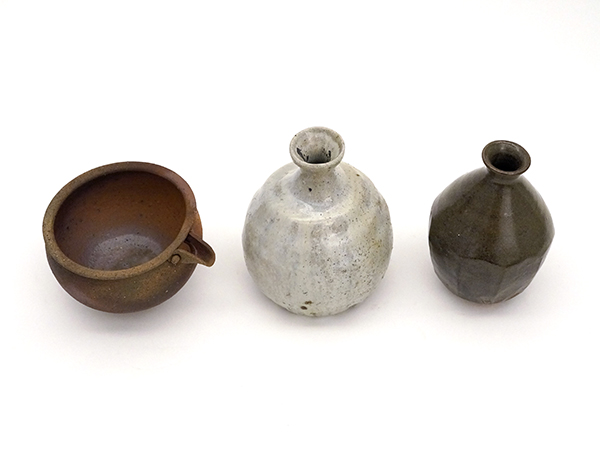
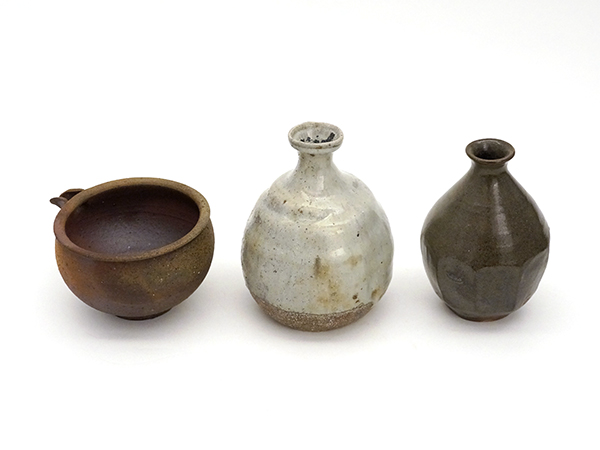
| Work name | [From left to right] Taki Nakazato / Karatsu Nanban style sake pitcher [Sold] Sakurei Okamoto / Spotted Karatsu Sake Bottle [Sold] Keiko Yoshino / Plain Karatsu Faceted Sake Bottle |
| price | 19,440 yen 34,560 yen 12,960 yen |
| size | Φ 11.0 × H 7.3 (㎝) Φ 10.6 × H 13.6 (㎝) Φ 9.0 × H 12.5 (㎝) |
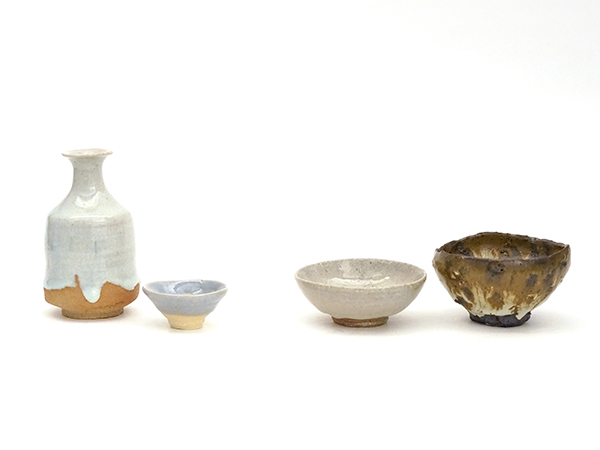
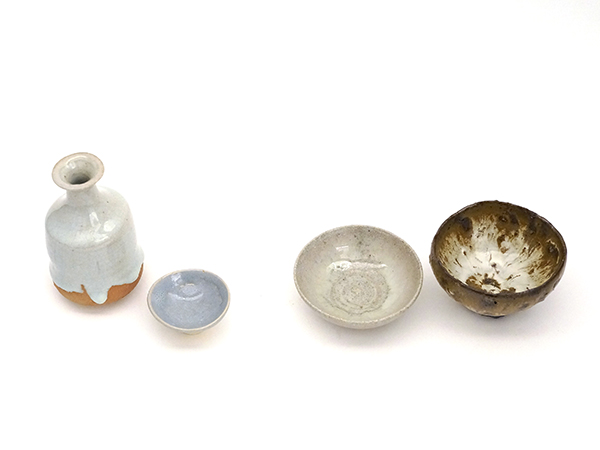
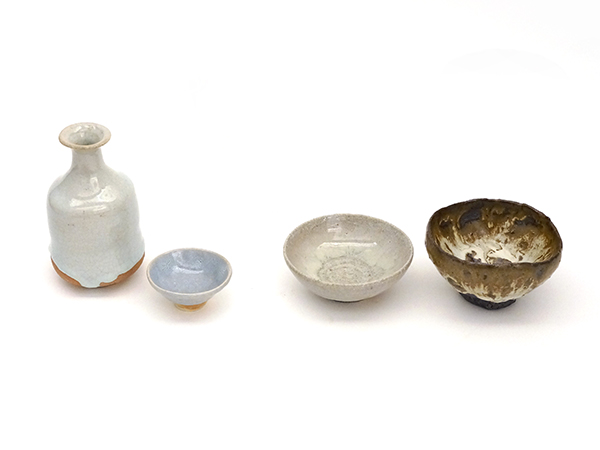
| Work name | [From left to right] Yasumoto Kajiwara / Spotted (Madaramadara) Small Sake Bottle and Chocolate Naoto Yano / Madara Karatsu Guinomi (sake cup) Sajirou Tanaka / Jinchu cup |
| price | 21,600 yen 12,960 yen 110,000 yen |
| size | Φ 6.5 × H 10.5 /Φ 5.6 × H 2.8 (㎝) Φ 8.5 × H 3.4 (㎝) Φ 9.0 × H 5.5 (㎝) |
Regarding sales methods
- ・
- DMWe accept advance reservations for the works displayed on this website before the exhibition begins. We will contact you approximately 20 days before the first day of the exhibition.DMWe ship the items and upload information to this website at almost the same time.
- ・
- For those who are unable to visit our gallery in person, we are happy to accept orders by phone or email.
- ・
- We look forward to receiving your inquiries.