Hagi-denryu IV -Poetry Contest-
HAGI Den Ryu Ⅳ -Ceramic Art Exhibition by 5 Potters-
| Exhibition period Schedule |
October 3, 2023 (Tue) – October 9 (Mon) October 3 - October 9, 2023 |
| Gallery opening hours Opening Hours | From 11:00 AM to 7:00 PM (until 5:00 PM on the final day, October 9th) Open every day during the exhibition period. Open daily 11 am to 7 pm except for October 9, when the gallery will close at 5 pm. |
| Exhibiting artist Artist | Yasushi Okada Okada Yasushi Masahiro Sakakura Sakakura Masahiro Akihiro Shinjou Shinjo Akihiro Takao Tahara Tahara Takao Shin'ichi Tamamura Shin'ichi Tamamura (Alphabetical order) |
| Introduction Introduction |
In the previous "Hagi Denryu III -Tsukeai-" event, we asked participants to create works inspired by the linked verses in Nasu from Matsuo Basho's travelogue, "Oku no Hosomichi" (The Narrow Road to the Deep North). It must have been challenging as it was their first attempt, but it was a huge success, involving both the creators and the users. This time, "Hagi Denryu IV"-Song Contest-"So,"Kokin Wakashu"I selected fifteen waka poems representing the four seasons, and then commissioned the artist to create works based on three of those poems (only two poems and two bowls are featured on the website).
The aesthetics of Yugen in the tea ceremony are said to have been inherited from the theory of Yugen in Waka and Renga poetry. This theory of yugen (subtlety and profound beauty) has had a strong influence not only on the tea ceremony but also on Noh theater and other forms of entertainment. Takenō Jōō and Sen no Rikyū often cited waka poetry to express the spirit of the tea ceremony. Fujiwara no Ietaka's poem, "I wish I could show the spring in the grass peeking through the snow in the mountain village to those who are only waiting for the flowers," and Fujiwara no Teika's poem, "Looking around, there are neither flowers nor autumn leaves; it is the autumn twilight in the thatched hut by the bay," are famous waka poems that express the beauty of cold, desolate solitude.
The beginning of the kana preface to the Kokin Wakashū (Collection of Ancient and Modern Japanese Poems) reads, "Yamato poetry originates from the human heart and becomes a myriad of words." This explains the origins of Japanese poetry, suggesting that waka poetry originated from the human heart, giving rise to a variety of expressions. Many names for tea ceremony utensils seem to be derived from waka poems. Perhaps only the Japanese give names to their tools and enjoy the aesthetics of "wabi" and "sabi."
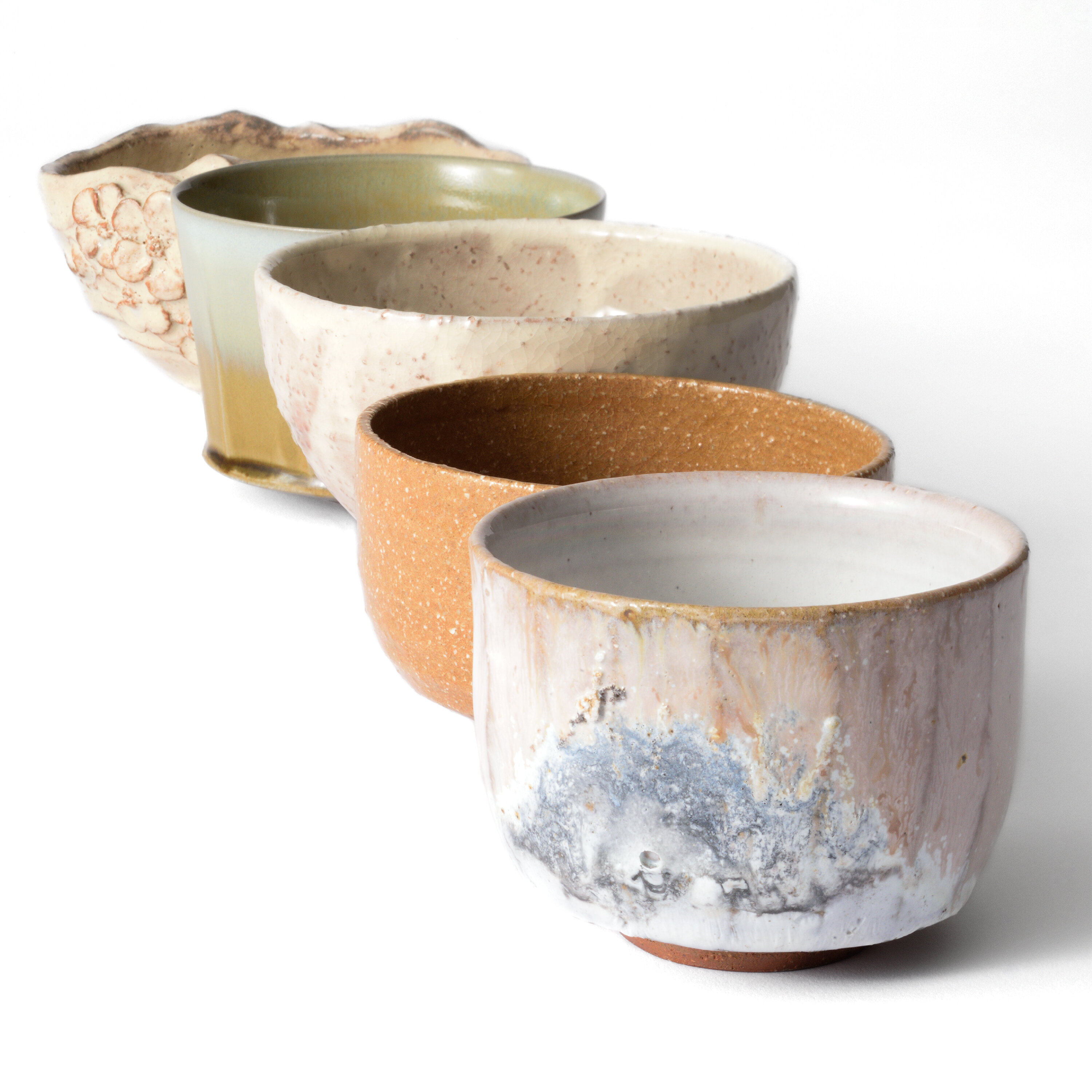
Mr. Yasushi OkadaThis "White Hagi Glazed Ash-Covered Tea Bowl" is a tea bowl featuring the ash-covered glaze, a technique the artist excels at. An anonymous autumn poem"In the twilight of the mountain village where cicadas sing, there is no one to visit except the wind."Inspired by this image, the ash glaze is used to represent a mountain village, and the white Hagi glaze is applied to the entire piece to express a sense of wabi-sabi (a Japanese aesthetic emphasizing melancholy and solitude). On the other hand, the "White Hagi Glazed Kiln-Fired Tea Bowl" is a tea bowl that is distorted into the shape of a shoe, but it is a winter poem."As evening falls, my sleeves feel cold; it seems that snow is falling on the Yoshino Mountains of Yoshino."This design is inspired by the image of snow falling on the mountains of Yoshino, a place known for its cherry blossoms. Furthermore, the "Pale Blue Glazed Bowl" has a tense shape resembling a rugby ball cut in half, but by likening the inside and outside of the bowl to the inside and outside of the sea, the artist expresses a unique aesthetic by depicting the inside as a deep blue and the outside as a deep blue sea with faintly drawn white waves.
Masahiro SakakuraThe tea bowl "Shunka" is a spring poem by Ariwara no Motokata."Though the spring mountainside is far away and shrouded in mist, the wind that blows through it counts the blossoms."This design evokes the image of cherry blossoms carried on a spring breeze. Looking at the base, one is struck by the powerful, swirling wave-like form centered around it. This is a truly captivating powder-glazed tea bowl, seemingly depicting cherry blossoms and a spring breeze (like swirling waves). On the other hand, the tea bowl "Reiri" is an autumn poem by an unknown author (Sarumaru Tayu)."When I hear the cries of deer treading through the autumn leaves in the deep mountains, that is when autumn truly feels sorrowful."This work was created by superimposing the scenery of the mountain village in Fukagawa, Nagato City onto the imagery. Using local clay from a mountain village, which is not typically used in Hagi ware but is known as the resting place of deer, a deer is depicted inside the pottery, and a stylized triangular mountain is represented on the body using slip. Furthermore, the "grain-patterned vessels" are vessels with protrusions similar to Jomon pottery, but the "grain pattern" is one of Sakakura's specialties, and its intricate intertwining creates a unique expression.
Akihiro ShinjouThe "Hagi Tea Bowl" is from an autumn poem by Oe no Senri."When I look at the moon, countless sorrows fill my heart, though this autumn is not just my own."Inspired by this image, the clay is mixed with red clay to represent an autumn night. Once the tea is finished, a clear, white moon appears in the cup, delighting the guest. On the other hand, the Hagi White Glazed Tea Bowl is associated with Ki no Tomonori's spring poem."On this peaceful spring day, bathed in the gentle light of the distant sun, the blossoms fall without a care in the world."Inspired by this image, the piece expresses the charm of cherry blossoms fluttering in the wind and the gentle spring sunshine through the varying shades of Hagi white glaze. Both tea bowls were chosen after much trial and error, so they can truly be called two masterpieces. Furthermore, the "Kohiki Flower Vase" is a simple flower vase in the shape of a taro root, but it is a work that reflects the artist's characteristic style, which does not favor excessive expression.
Takao TaharaThe "Flowing White Glazed Tea Bowl 'Spring Snow'" is based on a spring poem by Emperor Kōkō."For your sake, I went out into the spring fields to gather young flowers, and snow fell on my sleeves."Inspired by this image, the body of the pottery is painted in a grassy green color using pine ash glaze, with a white glaze poured over it to represent a scene of falling snowflakes. The spring fields, with their fluttering snowflakes, can also be seen in the prospect. On the other hand, the "White Glazed Bowl 'Late Autumn'" is a poem about autumn by Sakagami Korenori."Though the leaves of Mount Saho are still pale in color, autumn has truly deepened."Based on that, this is a unique tea bowl that embodies the shape of a mountain edge. The yellow foliage of Mt. Saho is represented by the reddish-brown color, and autumn is depicted with the white glaze. The name "Hahaso" in Sahoyama refers to the sawtooth oak tree, and it beautifully captures the autumn scenery of Sahoyama. Furthermore, in the "Iron Glazed Hexagonal Vase," the six sides, each coated with either white or iron glaze, spread out towards the base, and the triangular gaps created between these six faces give the piece a sense of stability, which is part of its charm.
Shin'ichi TamamuraThis "Hagi Powder-Glazed Tea Bowl" is a poem about autumn by an unknown author (Kakinomoto no Hitomaro)."Maple leaves flow along the Tatsuta River, and it seems that autumn rain is falling on the sacred Mimuro Mountain."This is a dignified tea bowl that evokes the image of [something]. The autumn leaves along the Tatsuta River are beautifully depicted with the swirl of the slip-glazed pottery. On the other hand, the "Hagi Shiranami Tea Bowl" is associated with Fujiwara no Okikaze's winter poem."The snow falling near the bay looks like white waves crossing the pine-covered mountains."Inspired by this image, the rough winter waves of Sue no Matsuyama, located in Yawata, Tagajo City, Miyagi Prefecture, are depicted using Hagi glaze. I believe both were chosen after firing many bowls. Otherwise, such perfectly fitting tea bowls wouldn't have been produced. The "Straw Glazed Vase" is a Korean Karatsu-style vase with a bold application of straw ash glaze over a black amber glaze. The powerful yet simple design is what makes it so appealing.
Kouichi Mori (Art critic, Standing Director of the Japan Ceramic Society) |
| Biography Biography | ▶ Yasushi Okada Okada Yasushi Born in Hagi City, Yamaguchi Prefecture in 1976. Graduated from the Department of Sculpture, Faculty of Fine Arts, Tokyo Zokei University in 2002. 2009: Japan Traditional Crafts Exhibition (selected 14 times since then) 2013: Received the Kikuchi Biennale Encouragement Award, exhibited at the 60th Anniversary Exhibition of the Japan Traditional Crafts Exhibition, "From Crafts to KOGEI". 2015 Japan Ceramics Exhibition: Excellent Work Award and Mainichi Shimbun Award 2017: Energia Art Award, Yamaguchi Prefecture Arts and Culture Promotion Encouragement Award, Hagi Denryu - Six Young Artists Exhibition - (Kakiden Gallery) 2019 Hagi Denryu II - From the Beginning - (Kakiden Gallery) 2019: Contemporary Ceramics Hagi Grand Prize Exhibition V - Excellence Award 2021: Hagi Denryu III -Tsukeai- (Kakiden Gallery), "Hagi no Shincho" Hagi Okada Kiln Yasushi Okada Exhibition (Nara Midorigaoka Museum of Art) 2023 Pola Award for Traditional Culture, Encouragement Award He studied under his father, Yuu Okada (a holder of Yamaguchi Prefecture's designated intangible cultural property, Hagi ware). ▶ Masahiro Sakakura Sakakura Masahiro Born in Yamaguchi Prefecture in 1983. His father was the 15th generation Sakakura Shinbei. 2009: Completed the Department of Sculpture and the Graduate School of Sculpture at Tokyo University of the Arts. Completed Kyoto City Traditional Industries Technician Training Program in 2011. 2017: Appeared on Discovery Channel's "Door to Tomorrow," and participated in the Hagidenryu - Six Young Artists Exhibition - (Kakiden Gallery). 2019: Appeared on "The Night Before the Breakthrough" (BS Fuji), Hagidenryu II -From the Beginning- (Kakiden Gallery) 2020: First solo exhibition (Kakiden Gallery) 2021 Hagiden-ryu III -Tsukeai- (Kakiden Gallery) Solo Exhibition, 2023 (Kakiden Gallery) ▶ Akihiro Shinjou Shinjo Akihiro Born in 1985 in Nagato City, Yamaguchi Prefecture, as the eldest son of Sadaji, the 14th generation of the Shinjo Sukeemon Kiln. Graduated from Waseda University in 2010. In 2013, I completed the Kyoto City Traditional Industrial Technology Training Program and began pottery making under my father's guidance. 2017 Hagidenryu - Exhibition of Six Young Artists - (Kakiden Gallery) 2019 Hagi Denryu II - From the Beginning - (Kakiden Gallery) 2021 Hagiden-ryu III -Tsukeai- (Kakiden Gallery) ▶ Takao Tahara Tahara Takao Born in 1982 in Nagato City, Yamaguchi Prefecture. 2005 Tokyo University of the Arts Graduation Exhibition, Sugawara Prize 2007: Completed graduate studies in sculpture at the Graduate School of Fine Arts, University of Tokyo. 2010: Trained in Mino (under the tutelage of Master Seiya Toyoba) In 2011, he began studying pottery under his father, the 13th generation Tobei. 2016: Selected for the Japan Traditional Crafts Exhibition (and selected seven more times since), and received an Excellence Award at the Yamaguchi Prefecture Art Exhibition. Eiffel Tower Tea Party 2018 [Paris, France] 2017 Hagidenryu - Exhibition of Six Young Artists - (Kakiden Gallery) 2019 Hagi Denryu II - From the Beginning - (Kakiden Gallery) 2020 Japan Ceramic Society Contemporary Ceramics Encouragement Award, Chugoku-Shikoku Exhibition "Appreciation" Category, Encouragement Award 2021 Hagiden-ryu III -Tsukeai- (Kakiden Gallery) 2022 Beopki Ceramics International Open Call Exhibition Grand Prize [South Korea] Currently a full member of the Japan Crafts Association. ▶ Shin'ichi Tamamura Tamamura Shinichi Born in 1969 in Hagi City, Yamaguchi Prefecture. 2000: Completed the Master's Program in Law, Graduate School of Social Sciences, Hiroshima University. He studied under his father, Toyo, and began making pottery. 2001: Selected for the 36th Western Craft Exhibition (and subsequently selected 9 more times). 2008: Selected for the Contemporary Ceramics Hagi Grand Prize Exhibition V (and subsequently selected three more times). 2014: Selected for the 61st Japan Traditional Crafts Exhibition (and selected twice more since). 2015: Selected for the 23rd Japan Ceramic Art Exhibition (and selected twice more since). 2017 Hagidenryu - Exhibition of Six Young Artists - (Kakiden Gallery) 2019 Hagi Denryu II - From the Beginning - (Kakiden Gallery) 2019 Contemporary Ceramics Hagi Grand Prize Exhibition V - Special Jury Prize 2021 Hagiden-ryu III -Tsukeai- (Kakiden Gallery) 2022 Contemporary Ceramics Hagi Grand Prize Exhibition VI - Honorable Mention |
| Artist in the gallery day Date Artist in Gallery | Yasushi Okada October 3rd (Tue) - 5th (Thu) Masahiro Sakakura October 3rd (Tue) - 5th (Thu) Akihiro Shinjou October 5th (Thu) - 9th (Mon) Takao Tahara October 5th (Thu) - 9th (Mon) Shin'ichi Tamamura October 5th (Thu) - 9th (Mon) |
| Exhibited works Exhibited Works | Tea bowls, tea utensils, tea caddies, incense boxes, flower vases, hanging flower vases, water containers, waste water containers, lid rests, incense burners, tea whisks, cloth containers, braziers, sake bottles, sake pitchers, sake cups, teacups, plates, bowls, glasses, jars, single-flower vases, objects, etc. |
| DM Direct Mail | This exhibitionDMSee(PDF) |
| Video of the exhibition Exhibition Scenery Video | |
| Exhibition view photographs Exhibition Scenery Photo | 
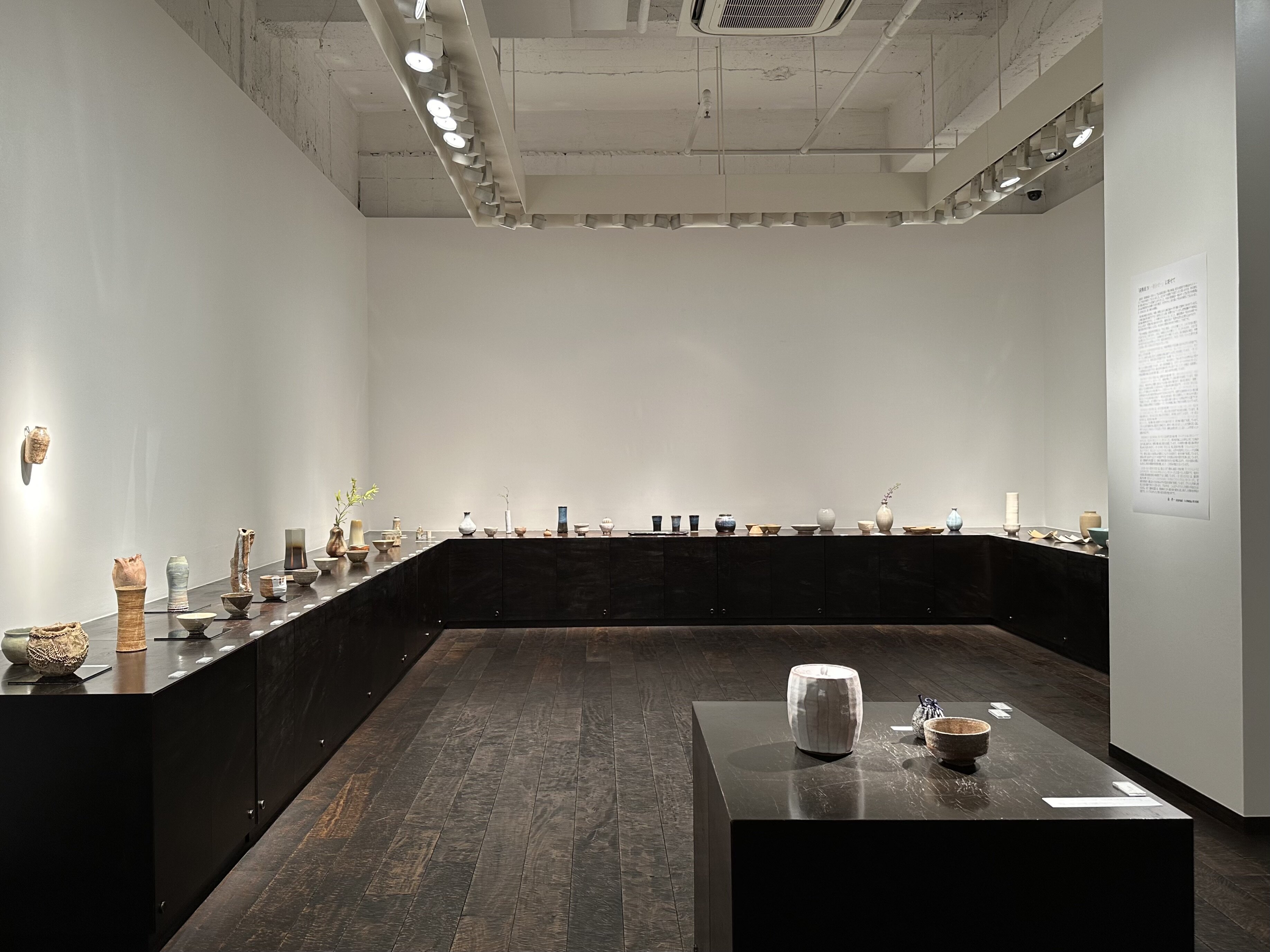
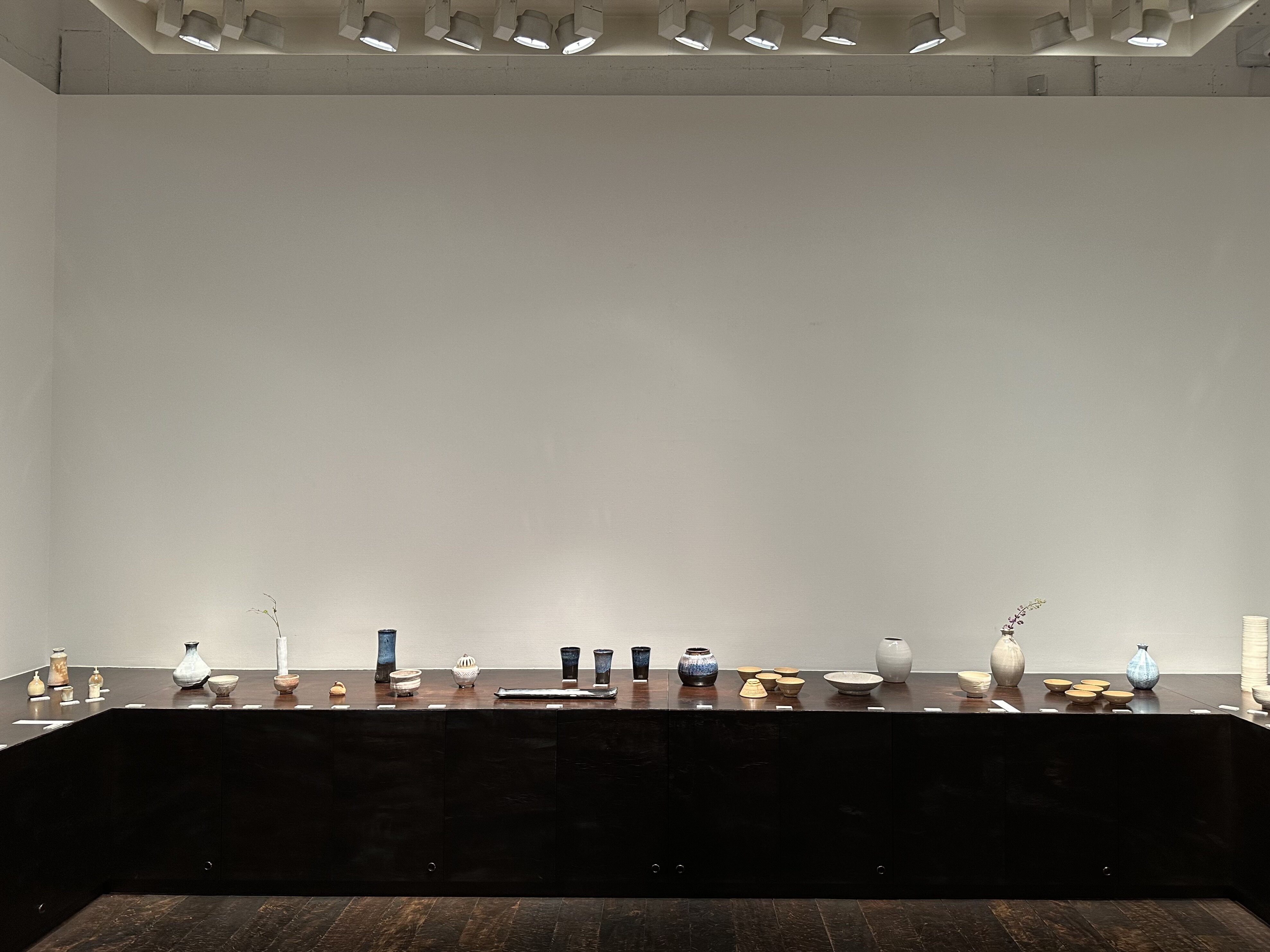
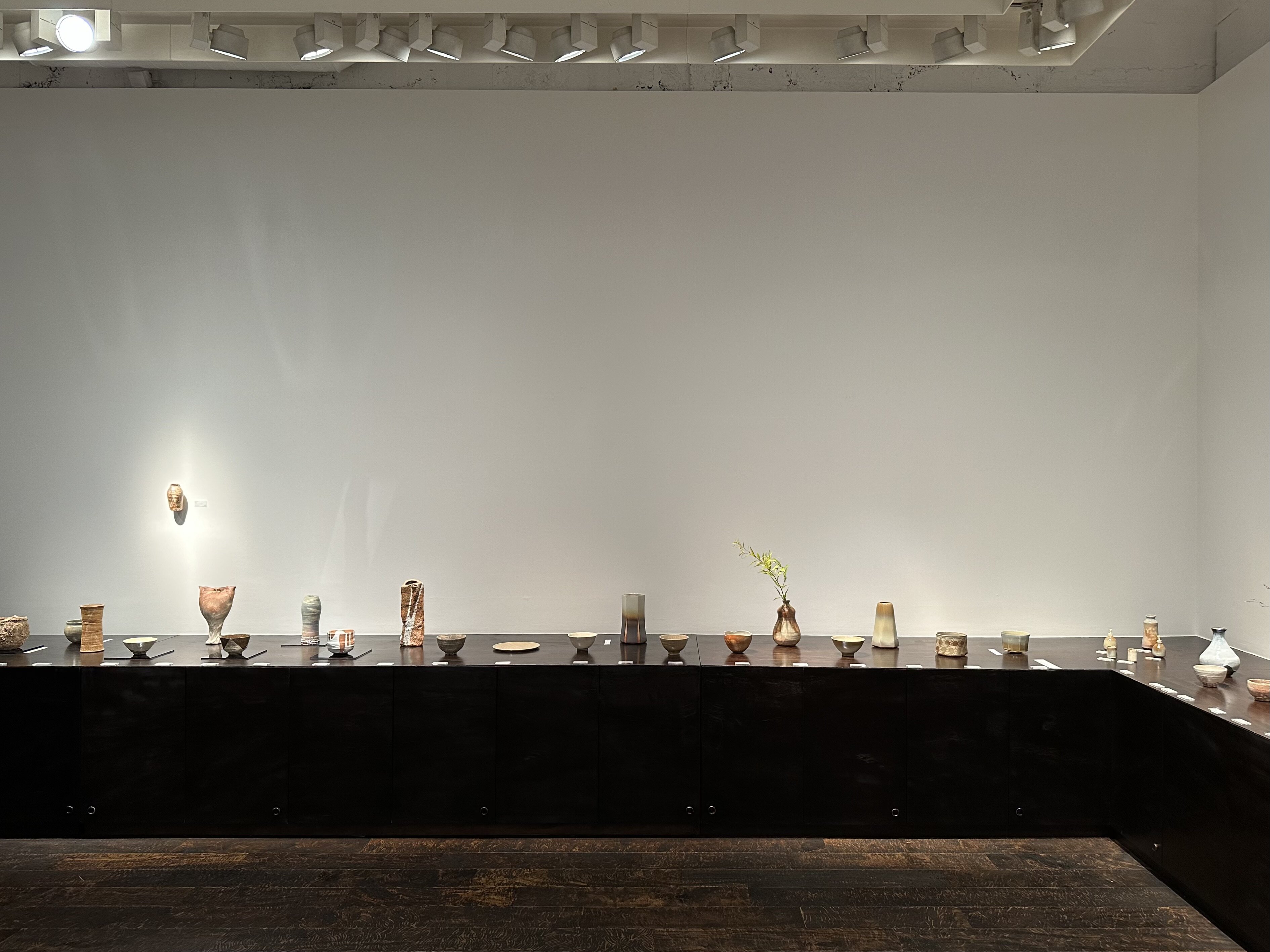
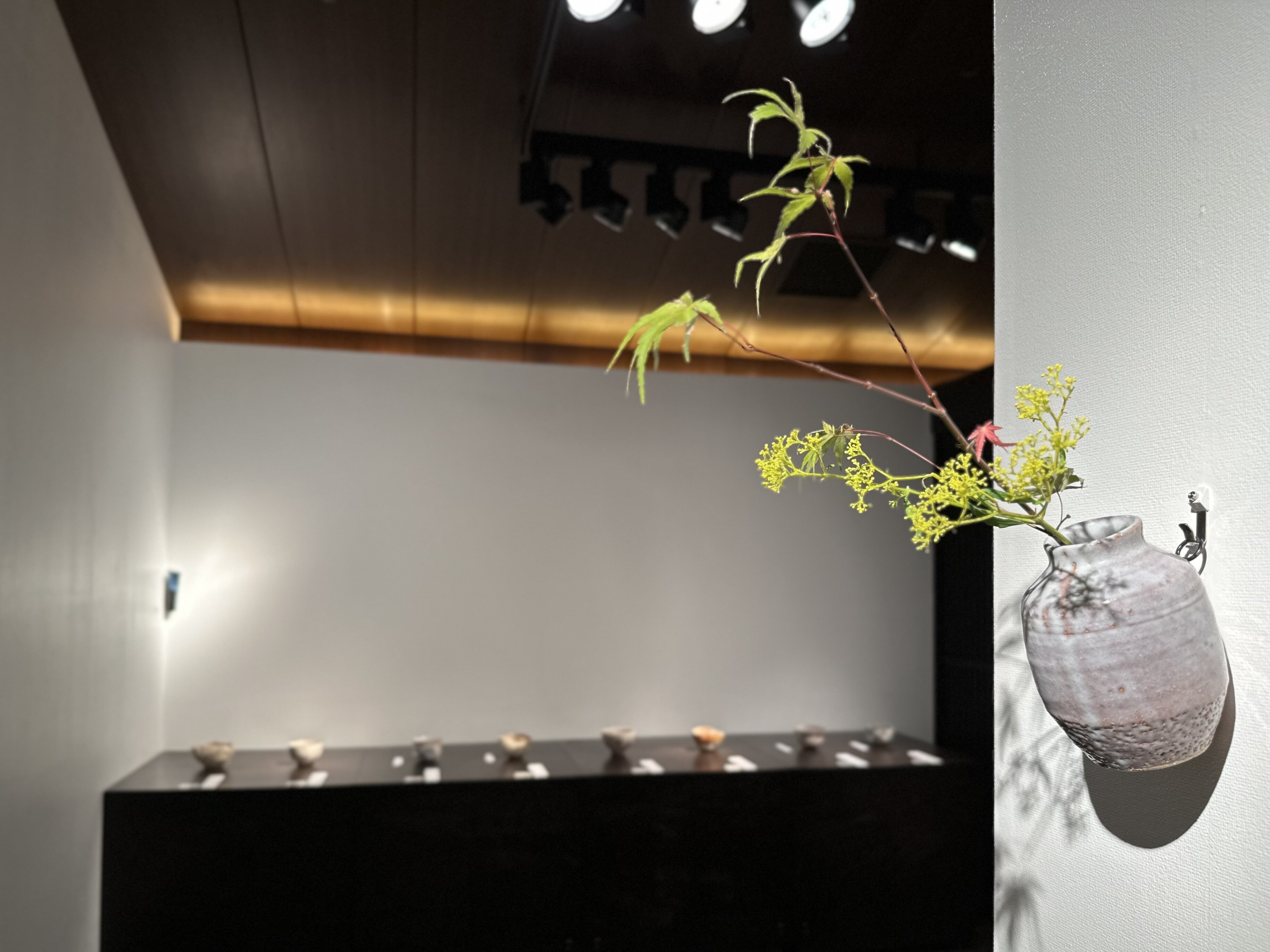
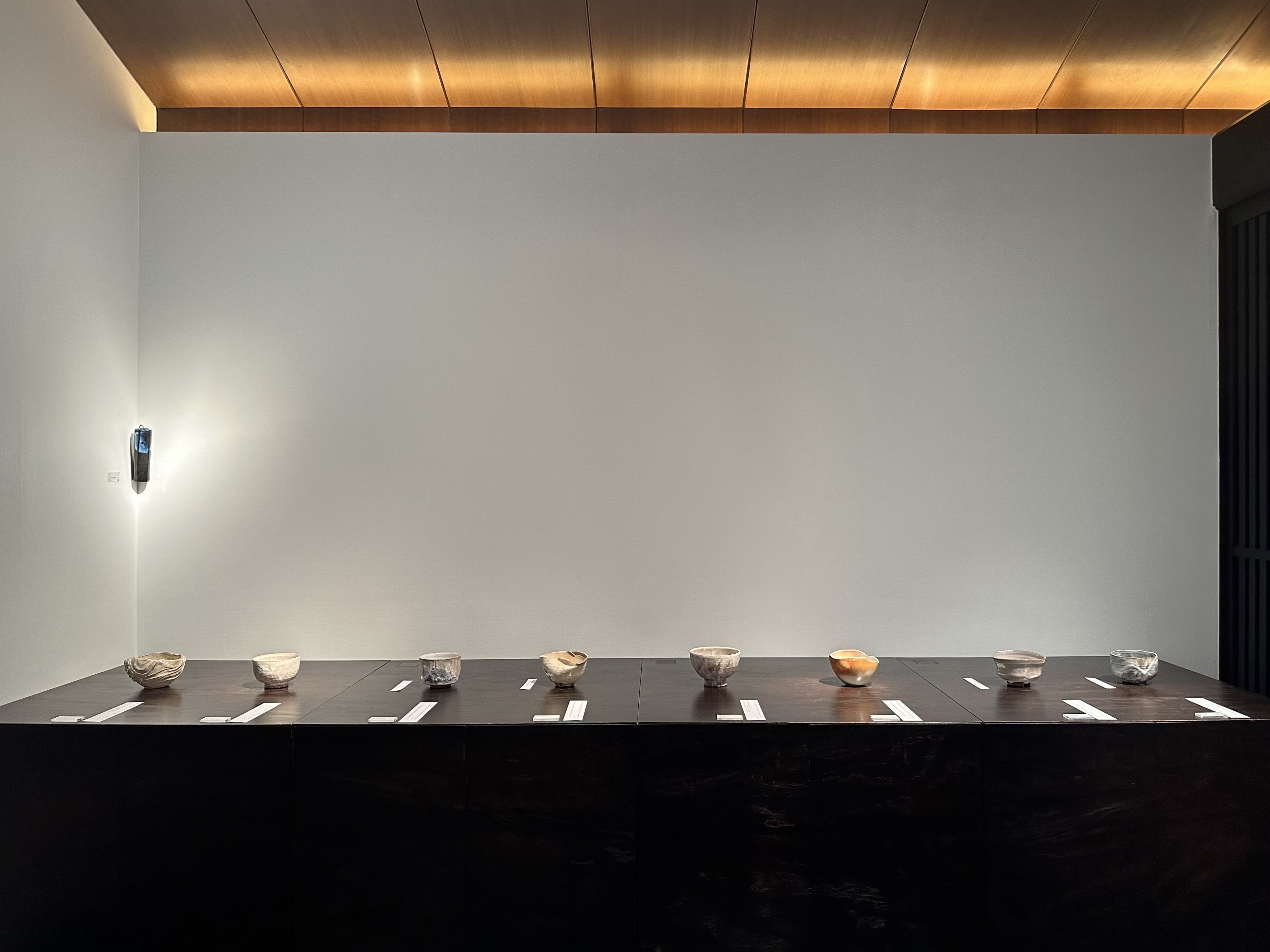
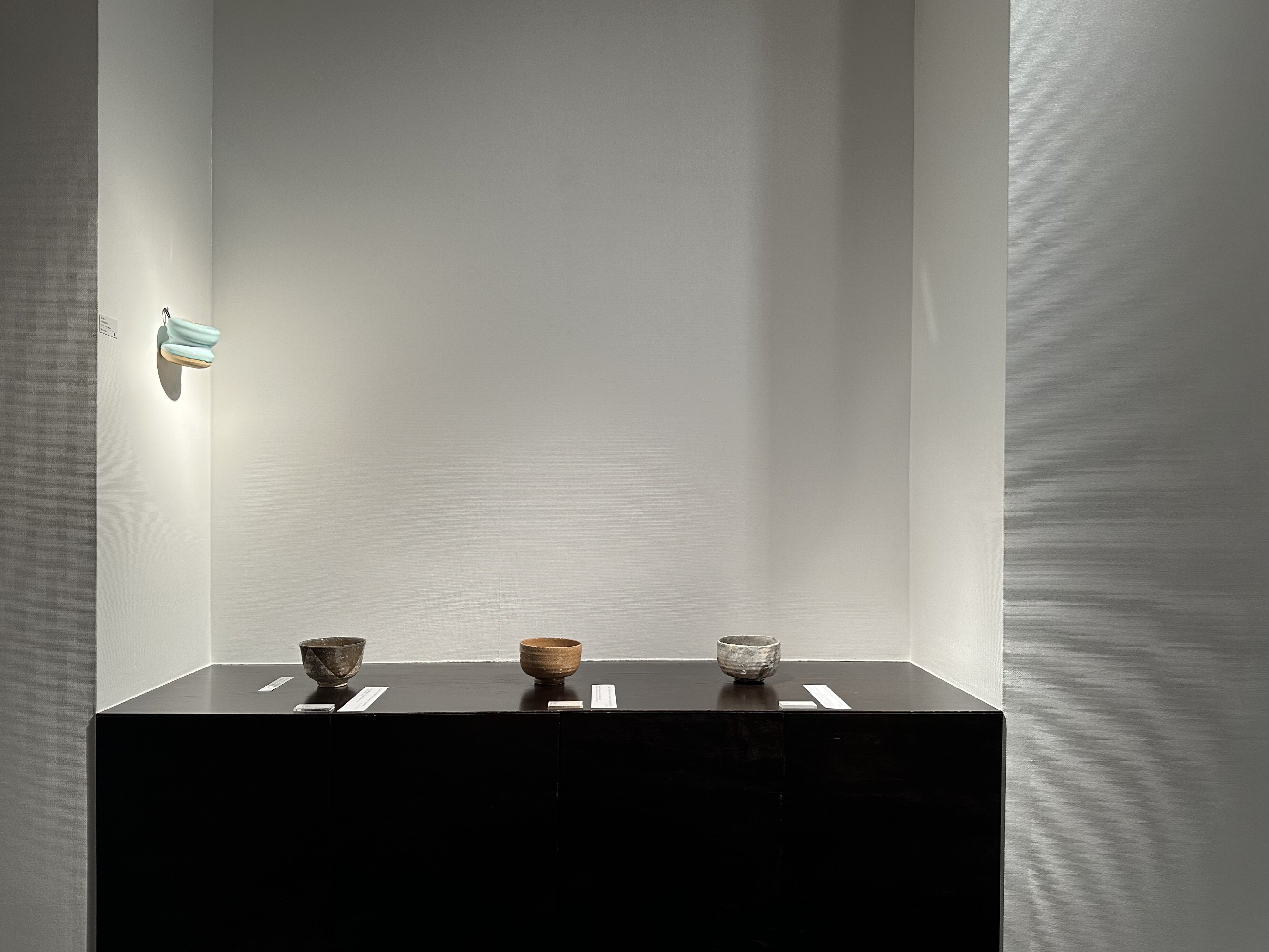

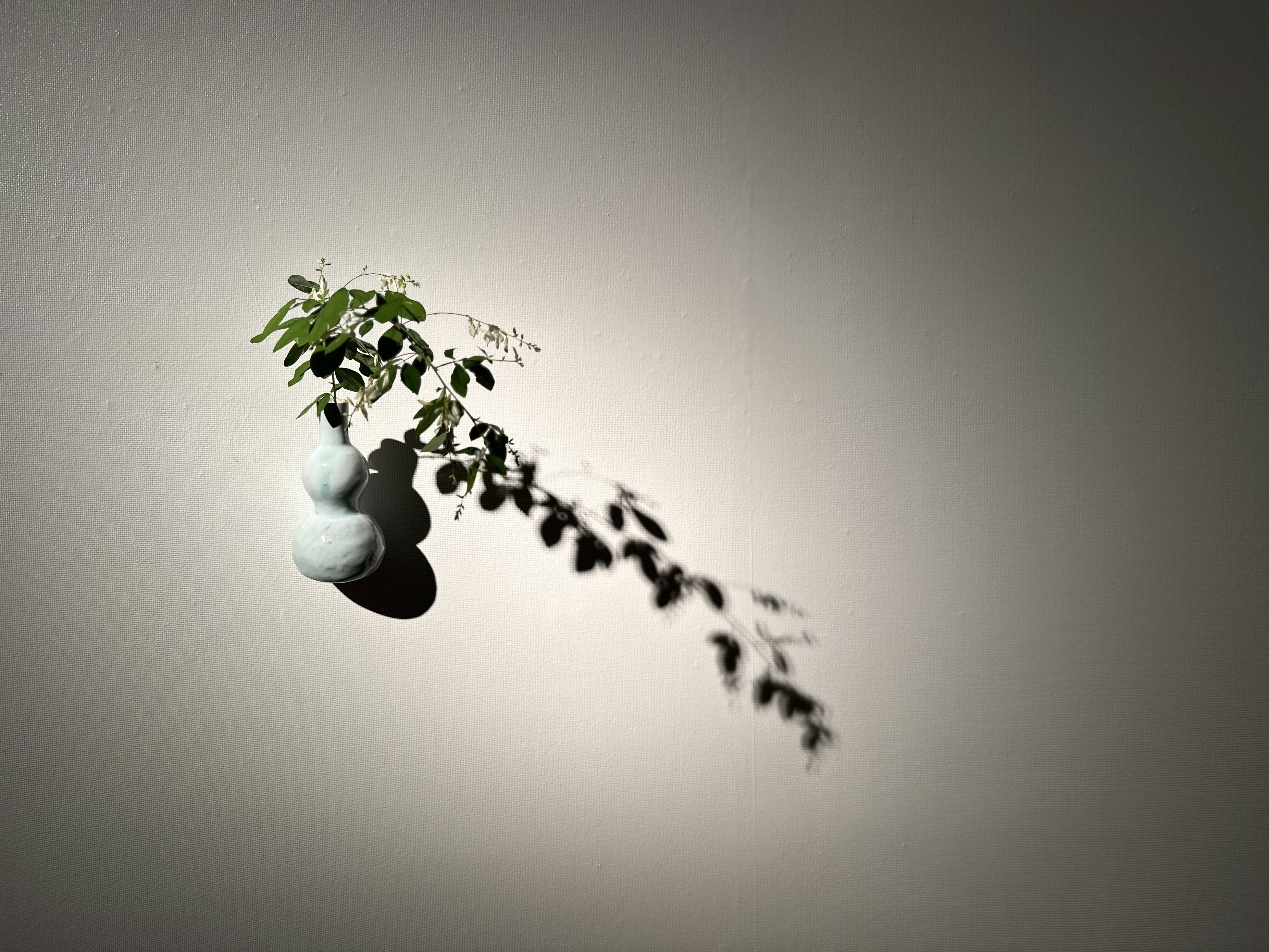
|
| Exhibition history at our gallery Exhibition Archives |
April 12, 2021 (Mon) – April 18 (Sun)
February 5, 2019 (Tue) – February 11 (Mon)

July 5, 2017 (Wed) – July 11 (Tue)
|
| special tea party Tea Party | ▶ One seat has become available due to a cancellation for the 11:30 seating time (Updated 10/2) A cancellation has opened up a table for 11:30 AM. As of October 2nd, the remaining seats are as follows: Seating starts at 10:00 AM... 8 people Seating time 11:30... 1 person We are also accepting waitlist registrations for seats with a 13:00 entry time. Thank you very much for your cooperation. Thank you so much. ▶ All seats for the 13:00 entry are now full (Updated October 1st) Thanks to your support, all seats for the 13:00 seating are now fully booked. We would like to take this opportunity to express our sincere gratitude to the many customers who have applied. We currently have a few seats available for the 10:00 AM seating, and we are accepting applications. Thank you very much for your cooperation. ▶ All seats for the 11:30 seating are now full (Updated September 29th) Thanks to your support, all seats for the 11:30 seating are now fully booked. Thank you very much to all the customers who applied. ▶ Invitation to the Special Commemorative Tea Ceremony "Minori" A special commemorative tea ceremony, "Minori," will be held in the tea room of Shinjuku Kakiden, located above the Kakiden Gallery. The theme is "Autumn Harvest," and the host will be all the participating artists currently exhibiting at the "Hagidenryu IV - Uta-awase -" exhibition at the Kakiden Gallery. Beginners who have never participated in a tea ceremony before are also very welcome. Please feel free to enjoy a cup of tea during the autumnal equinox season using tea ceremony utensils associated with Hagi. We look forward to receiving your applications. • Date and Time: Thursday, October 5th, 10:00, 11:30, 13:00 [Fully Booked] Three seats available. * Please gather at the reception/donation area in the An'yo Hall (7th floor) at least 15 minutes before your seating time. ・Chairperson: Hagidenryu Exhibiting artist Yasushi Okada , Masahiro Sakakura , Akihiro Shinjou , Takao Tahara , Shin'ichi Tamamura • Location: Shinjuku Kyo-kaiseki Kakiden (Yasuyo Building, 3-37-11 Shinjuku, Shinjuku-ku, Tokyo) Reception and donations: An'yo Hall/7th floor → Light tea ceremony: Zangetsu/9th floor → Dim sum: Kokin Salon/6th floor • Dim Sum: The meal consists of a small appetizer, a tiered bento box filled with seasonal vegetables, a simmered dish, rice, and pickles. Of course, we also have plenty of delicious chilled sake from Yamaguchi Prefecture available. • Membership fee: 5,000 yen (tax included). Payment will be accepted at the reception desk on the day of the event. ・Attire: Please feel free to come in comfortable clothing. ▸Click here to apply |
| Main exhibited works Main Exhibited Works |
|


| Author name | Yasushi Okada |
| Work name | Shirohagi glaze kiln ash-covered tea bowl "In the twilight of the mountain village where cicadas sing" There is no one to ask except the wind. /Author unknown |
| price | 200,000 yen (excluding tax) (220,000 yen including tax) |
| box | Comes with a paulownia wood box (to be delivered later) |
| size | W11.0 × D11.4 × H8.4 cm |


| Author name | Masahiro Sakakura |
| Work name | Tea bowl "Shunka" "The spring mountainside is far away, shrouded in mist." The blowing wind counts the flowers. / Arihara Motokata |
| price | 180,000 yen (excluding tax) (198,000 yen including tax) |
| box | Comes with a paulownia wood box (to be delivered later) |
| size | W15.5 × D14.4 × H8.8 cm |


| Author name | Akihiro Shinjou |
| Work name | Hagi tea bowl "When I look at the moon, countless sorrows fill my heart." "This autumn is not just for me alone." / Chisato Oe |
| price | 80,000 yen (excluding tax) (88,000 yen including tax) |
| box | Comes with a paulownia wood box (to be delivered later) |
| size | φ12.3 × H8.0 cm |


| Author name | Takao Tahara |
| Work name | Flowing white glazed tea bowl "Spring Snow" "For your sake, I went out into the spring fields to gather young flowers, as snow fell on my sleeves." Emperor Kōkō |
| price | 140,000 yen (excluding tax) (154,000 yen including tax) |
| box | Comes with a paulownia wood box (to be delivered later) |
| size | φ12.6 × H9.0 cm |


| Author name | Shin'ichi Tamamura |
| Work name | Hagi powder tea bowl "Tatsuta River, where maple leaves flow, the gods It seems to be raining on Mount Mimuro. /Author unknown (Kakinomoto no Hitomaro) |
| price | 120,000 yen (excluding tax) (132,000 yen including tax) |
| box | Comes with a paulownia wood box (to be delivered later) |
| size | φ14.0 × H9.2 cm |


| Author name | Yasushi Okada |
| Work name | White Hagi glazed kiln-fired tea bowl "When evening falls, the sleeves of my sleeves feel cold in Yoshino." It seems that the Emperor is descending upon the Yoshino Mountains. /Author unknown |
| price | 150,000 yen (excluding tax) (165,000 yen including tax) |
| box | Comes with a paulownia wood box (to be delivered later) |
| size | W14.0 × D13.0 × H8.5 cm |


| Author name | Masahiro Sakakura |
| Work name | Tea bowl "Reiri" "In the deep mountains, a deer cries out as it treads through the autumn leaves" "When I hear the voice, autumn feels sorrowful." /Author unknown (Sarumaru Tayu) |
| price | 130,000 yen (excluding tax) (143,000 yen including tax) |
| box | Comes with a paulownia wood box (to be delivered later) |
| size | W12.3 × D12.3 × H8.3 cm |


| Author name | Akihiro Shinjou |
| Work name | Hagi white glaze tea bowl "On a peaceful spring day, bathed in the long-lasting light" The flowers are falling without a care in the world. / Tomonori Ki |
| price | 80,000 yen (excluding tax) (88,000 yen including tax) |
| box | Comes with a paulownia wood box (to be delivered later) |
| size | φ12.3 × H8.2 cm |


| Author name | Takao Tahara |
| Work name | White glazed bowl “Misaki” "The leaves of Sahoyama are pale in color." Autumn has deepened considerably. / Sakagami Korenori |
| price | 120,000 yen (excluding tax) (132,000 yen including tax) |
| box | Comes with a paulownia wood box (to be delivered later) |
| size | W13.4 × D12.2 × H8.5 cm |


| Author name | Shin'ichi Tamamura |
| Work name | Hagi Shiraha (Hakuha) Tea Bowl "The snow falling near the bay is like white waves" "I see the peak of Matsuyama as far as the eye can see." /Fujiwara Kofu |
| price | 80,000 yen (excluding tax) (88,000 yen including tax) |
| box | Comes with a paulownia wood box (to be delivered later) |
| size | φ11.8 × H8.0 cm |


| Author name | Yasushi Okada |
| Work name | Light blue glaze bowl |
| price | 200,000 yen (excluding tax) (220,000 yen including tax) |
| box | Comes with a paulownia wood box (to be delivered later) |
| size | W35.5 × D27.0 × H12.5 cm |


| Author name | Masahiro Sakakura |
| Work name | granular device |
| price | 60,000 yen (excluding tax) (66,000 yen including tax) |
| box | Comes with a paulownia wood box (to be delivered later) |
| size | W16.5 × D16.5 × H15.0 cm |


| Author name | Akihiro Shinjou |
| Work name | Flower vase |
| price | 65,000 yen (excluding tax) (71,500 yen including tax) |
| box | Comes with a paulownia wood box (to be delivered later) |
| size | φ14.8 × H21.0 cm |


| Author name | Takao Tahara |
| Work name | Iron-glazed hexagonal vase |
| price | 85,000 yen (excluding tax) (93,500 yen including tax) |
| box | Comes with a paulownia wood box (to be delivered later) |
| size | W12.2 × D13.3 × H23.0 cm |


| Author name | Shin'ichi Tamamura |
| Work name | straw glaze vase |
| price | 100,000 yen (excluding tax) (110,000 yen including tax) |
| box | Comes with a paulownia wood box (to be delivered later) |
| size | φ13.4 × H21.0 cm |


| Author name | Yasushi Okada |
| Work name | White Hagi glaze kiln modified gourd tea bowl |
| price | 100,000 yen (excluding tax) (110,000 yen including tax) |
| box | Comes with a paulownia wood box (to be delivered later) |
| size | Φ 6.5 × H 6.6 (㎝) |


| Author name | Masahiro Sakakura |
| Work name | Shrine red clay tea bowl, Daido powder glaze |
| price | 100,000 yen (excluding tax) (110,000 yen including tax) |
| box | Comes with a paulownia wood box (to be delivered later) |
| size | Φ 13.4 × H 6.3 (㎝) |


| Author name | Akihiro Shinjou |
| Work name | White glazed vase |
| price | 42,000 yen (excluding tax) (46,200 yen including tax) |
| box | Comes with a paulownia wood box (to be delivered later) |
| size | Φ 12.6 × H 19.0 (㎝) |


| Author name | Takao Tahara |
| Work name | Basketweave Inlaid Water Basin |
| price | 60,000 yen (excluding tax) (66,000 yen including tax) |
| box | Comes with a paulownia wood box (to be delivered later) |
| size | Φ 14.2 × H 9.6 (㎝) |


| Author name | Shin'ichi Tamamura |
| Work name | incense burner |
| price | 60,000 yen (excluding tax) (66,000 yen including tax) |
| box | Comes with a paulownia wood box (to be delivered later) |
| size | W 12.6 × D 11.0 × H 14.3 (㎝) |
Regarding sales methods
- ・
- DMWe accept advance reservations for the works displayed on this website before the exhibition begins. We will contact you approximately 20 days before the first day of the exhibition.DMWe ship the items and upload information to this website at almost the same time.
- ・
- For those who are unable to visit our gallery in person, we are happy to accept orders by phone or email.
- ・
- We look forward to receiving your inquiries.