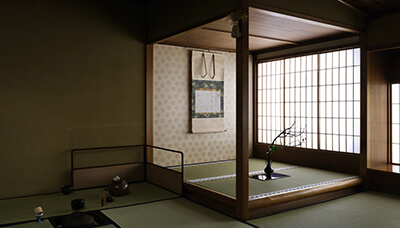
The Etchu Seto Pottery Kanakurekai Exhibition II: Carrying on the Legacy of the Past
Kanakure-kai,5 person ceramic art exhibition -from Toyama prefecture-
| Exhibition period Schedule |
September 11, 2020 (Fri) – September 18 (Fri) September 11 - September 18, 2020 |
| Gallery opening hours Opening Hours | From 11:00 AM to 7:00 PM (until 5:00 PM on the final day, September 18th) Open every day during the exhibition period. Open daily 11 am to 7 pm except for September 18, when the gallery will close at 5 pm. |
| Exhibiting artist Artist | Yukio Shakunaga , Toshiaki Katou , Kagaku Yoshino , Fumi Kitamura , Satoko Yamada |
| Introduction Introduction |
Etchu Seto ware is a representative pottery of Toyama Prefecture with a history of over 430 years. During the Tensho and Bunroku periods, under the patronage of the Maeda family, potters from Owari's Seto ware district built large kilns and climbing kilns to fire glazed pottery, marking the beginning of its history. Various types of pottery clay are still produced at the foot of Mount Tateyama. White clay, in particular, has fine particles and high refractoriness, so when fired in a high-temperature kiln, it results in a fine and delicate finish. Currently, there are five kilns in operation in Tateyama Town, and the five ceramic artists who operate them formed the "Kanakure-kai" group in 2011. "Kanakure" is a local word meaning "pottery shard." In 2013, it was selected as the first designated traditional craft of Toyama Prefecture.
The ceramic artists of "Kanakurekai" create tableware and tea ceremony ceramics rooted in everyday life amidst the rich natural environment of Tateyama Town. The artist's personality and way of life are conveyed through their work. The significance of this exhibition lies not in simply following trends, but in questioning the true essence of pottery through the works of local kilns in Toyama.
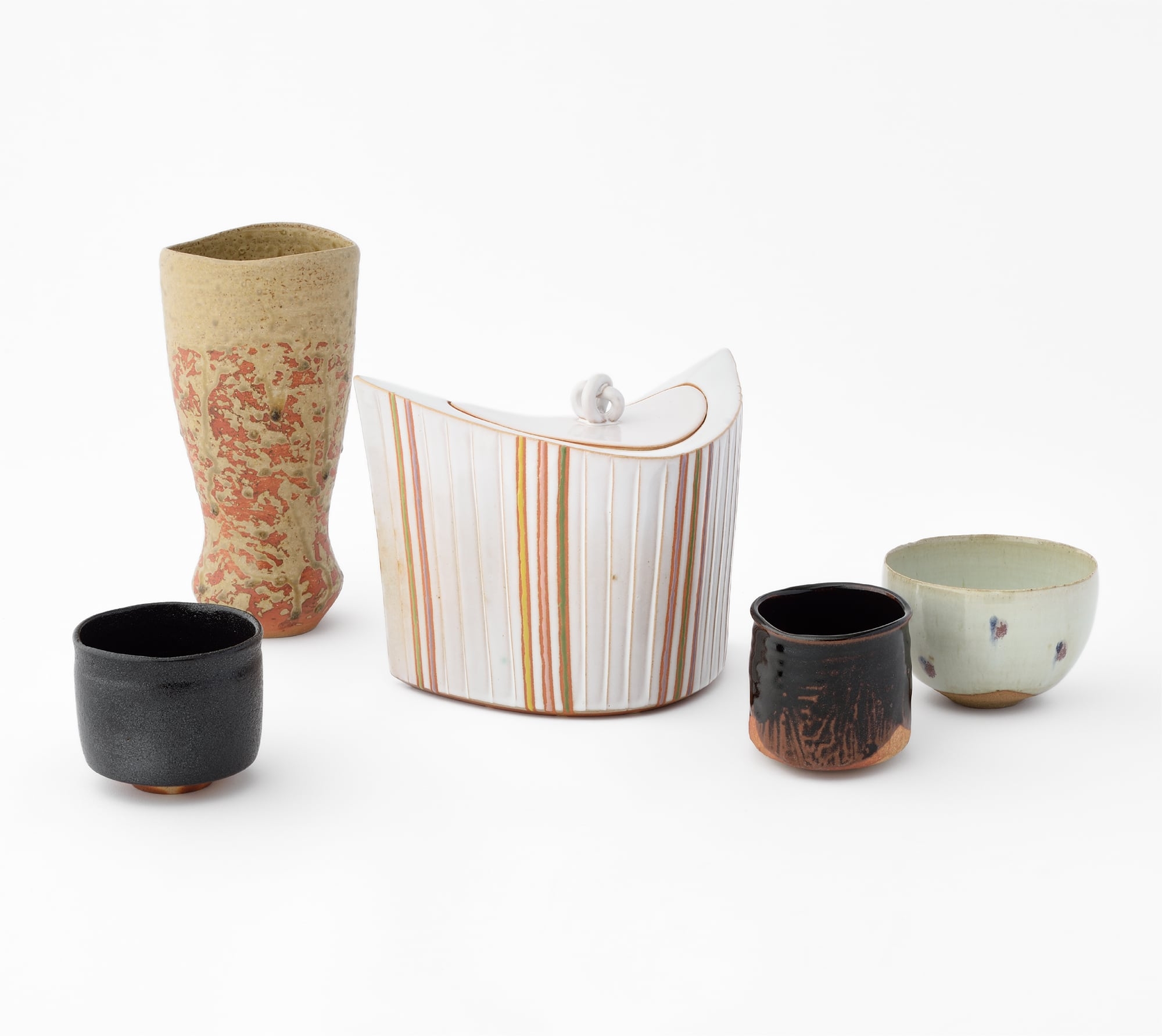
Toshiaki Katou is the head of the Shirohachi Kiln, a pottery studio in Etchu-Seto. They usually create everyday tableware, as well as tea ceremony utensils, flower vases, and jars. She started learning about sencha (green tea) two years ago, and now she's working on making easy-to-use teapots. This "carbonized teapot" is made using red clay rich in iron, and when fired in a reducing atmosphere, the iron reacts in various ways, making it endlessly fascinating. The "black tea bowl" is a traditional Etchu Seto ware item, made by mixing local stone powder with iron to produce its black color. Mr. Kato creates his pottery by seeking the ideal form of his vessels within the everyday lives of ordinary people.
Fumi Kitamura 's journey into pottery began after experiencing pottery making at the "Tounokan" (Pottery Farming Hall) in Tateyama Town. I learned about Etchu Seto ware from Mr. Toshiaki Katou , but by chance, I met ceramic artist Mr. Hoan Nakazato on the day of cherry blossom viewing, and that led to me learning Karatsu ware techniques from his son, the 14th generation Tarouemon Nakazato . After four years of training in Karatsu, I built the Karesusuki Kiln in Tateyama Town, where I continue to operate to this day. The "Etchu Seto Black Tea Bowl" is a cylindrical tea bowl inspired by Oribe black ware, and its shape is absolutely beautiful. "Etchu Seto Straw Ash Glazed Water Jug" is a piece inspired by the gourd-shaped water jug of Goryeo celadon, and I challenged myself to create it using locally sourced, firm clay. Ms. Kitamura is exploring her own style while learning from classical works.
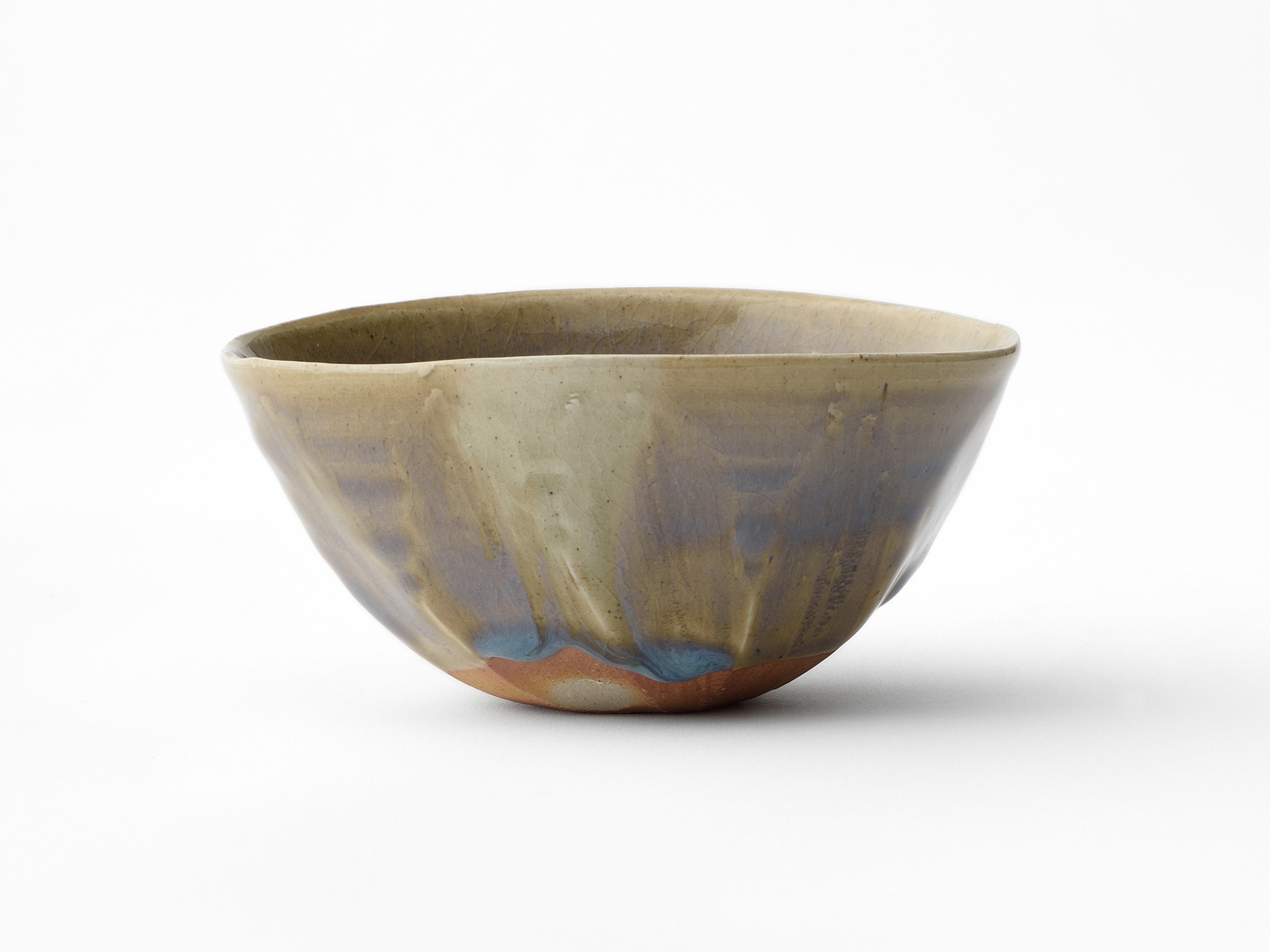
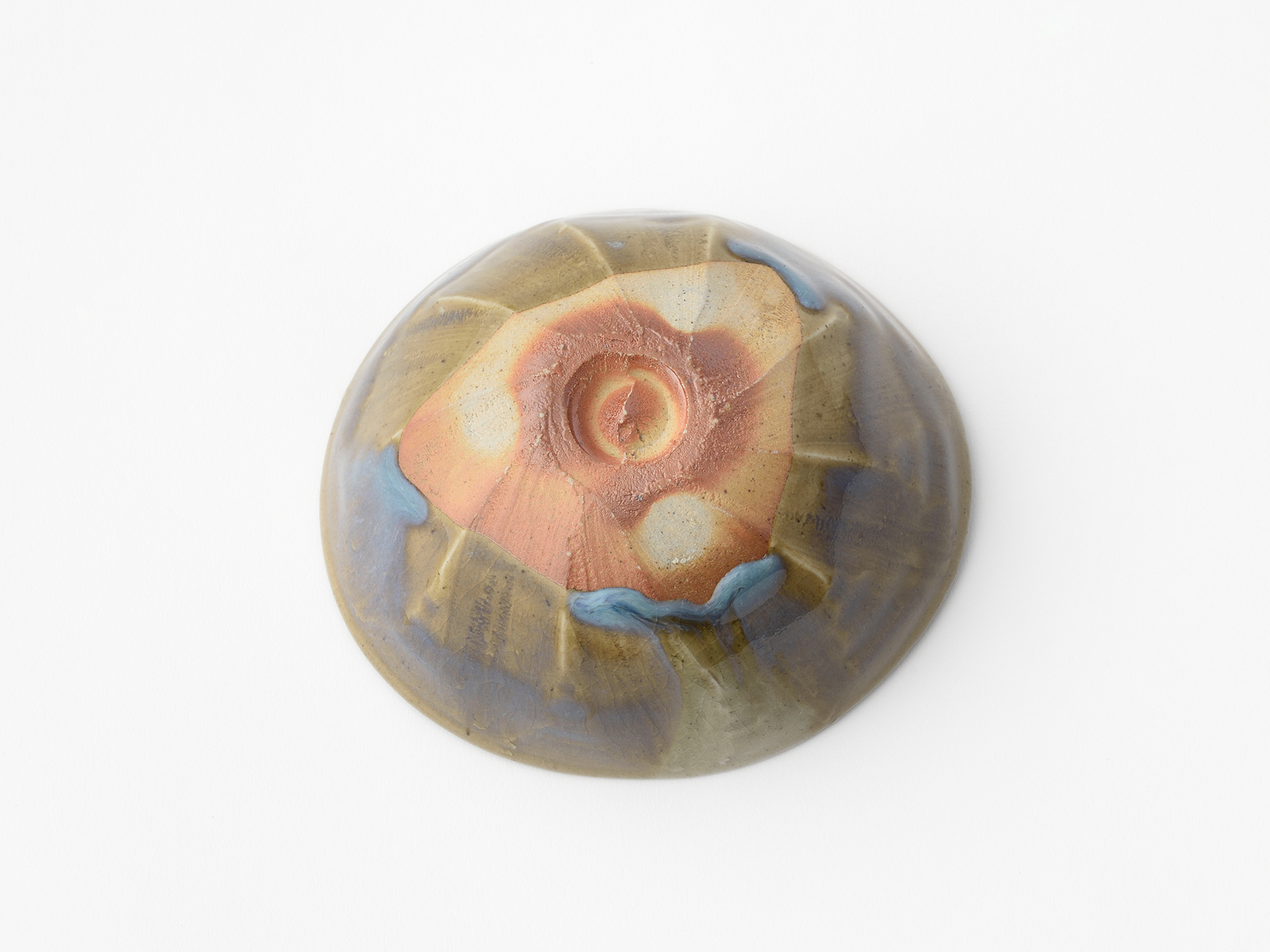
Yukio Shakunaga is the head of the Shōraku Kiln, a pottery studio in Etchū-Seto, and a leading ceramic artist in Toyama Prefecture. That work was also loved by the late Steve Jobs of Apple Inc. The "Glazed Winged Water Jar" is made using local white clay and features a winged shape with red, yellow, and green applied between vertical stripes. The "Yonsei" in "Yonsei Shinogi Tea Bowl" refers to an opaque glaze made from straw ash rich in silica, which exhibits a clear blue color when fired in a reducing atmosphere. The inside of the tea bowl is engraved with a ridged pattern, creating a profound form that is unique to Mr. Shakunaga. Amidst the rich natural environment of Tateyama, he earnestly creates his works while confronting the finest soil and questioning his own true purpose.
Satoko Yamada 's works have solid designs and attractive decorations. Looking at his ceramics background, it says that after graduating from the Japan Design College, he enrolled in the Kyoto Prefectural Advanced Technical School for Ceramic Arts, and after graduating, he studied under ceramic artist Yasutaka Shimizu. I worked as an intern at the "Tounokan" (Ceramics and Agriculture Hall) in Tateyama Town, and this year I established my own workshop in Tateyama Town. The "Two-Color Dot Pattern Tea Bowl" features a dot pattern in two colors, red and blue, using straw ash glaze. The "Drawn Line Pattern Water Jar" features a pattern of white glaze on a black background, resembling splashes of rainwater, and the knob is shaped like a knot. Mr. Yamada's work spans a wide range, from everyday tableware to vases, tea ceremony utensils, and sculptures, and we hope that he will bring a fresh new style to Etchu Seto ware.
Kagaku Yoshino is the third-generation owner of the Senju Kiln, a pottery studio in Etchu-Seto. After graduating from the Department of Ceramics, Faculty of Design, Kyoto Seika University, I trained at the Shiga Prefectural Shigaraki Ceramic Art Forest and the Kyoto City Industrial Ceramics Research Institute before returning to "Senju Kiln" in 1995. The "Ash Glaze Chirashi Flower Vase" is made using a technique that has been passed down since my grandfather's generation, and its highlight is the bold, scattered ash glaze. The "Sansai Mizusashi" is a modern piece made by shaping a wheel-thrown cylinder into a triangle and applying three different colored glazes to it. In order to achieve the stoneware effect of firing in a climbing kiln, there are parts where the glaze has been intentionally left off. Its distinctive feature is that the scenery changes depending on how it's placed. Mr. Yoshino is preserving the traditions of Etchu Seto while also taking on new challenges.
Addendum Although he is not participating this time, there is another member of the "Kanakure-kai" group, You Shakunaga from " You Shakunaga Pottery Studio". Since there are no works on display, there is no explanatory text, but I will introduce the name.
Kouichi Mori (Art critic, Standing Director of the Japan Ceramic Society) |
| Biography Biography | □ Yukio Shakunaga Shakunaga Yukio -Shōraku Kiln- Born in 1954 in Tateyama Town, Toyama Prefecture. In 1975, inherited the Shōraku Kiln from Shōjirō Shakunaga. In 1976, he became a disciple of Sozan Kaneshige of Bizen. From 1979 onwards, I have been creating pottery at the Icheon, Mungyeong, and Cheongju kilns in South Korea. In 1996, I met Steve Jobs and have been receiving production requests from him ever since. □ Toshiaki Katou Katou Toshiaki -Shirouhachi Kiln- Born in 1961 in Tateyama Town, Toyama Prefecture. In 1978, began training under Toshiaki Higashi at the Kutani ware Higashi Pottery Factory in Ishikawa Prefecture. In 1985, he returned to Toyama and began making pottery at his family's kiln, Shirohachi Kiln. In 1988, he built his own climbing kiln. 1995: Built the Ittekkoi Kiln. In 2004, became an instructor at the "Tonokan" (Ceramics and Agriculture Hall) in Etchu Pottery Village. □ Kagaku Yoshino Yoshino Kougaku -Senju kiln- Born in 1970 in Tateyama Town, Toyama Prefecture. Graduated from Kyoto Seika University, Department of Art and Design, Ceramics Club in 1992. 1993: Trainee at Shigaraki Ceramic Art Forest, Shiga Prefecture 1994: Trainee at Kyoto City Industrial Ceramics Research Institute In 1995, I returned to Toyama Prefecture and helped with the family business. 2010: Succeeded to the name of the third generation Kōgaku. □ Fumi Kitamura Kitamura Fumi -Karahou no kiln- Born in Toyama City, Toyama Prefecture in 1977. In 2000, began pottery making at the "Tounokan" (Pottery Farming Hall) in Etchu Pottery Village. In 2002, I was deeply impressed by Etchu Seto ware from the Edo period. In 2006, trained at Tarouemon Nakazato kiln in Karatsu. In 2010, a kiln was built in Tateyama Town. In 2011, the kiln was named "Kare-sō no Kama" (Dried Pampas Grass Kiln) and the first firing took place. □ Satoko Yamada Yamada Satoko Born in Tokyo in 1978. 2006: Completed the Molding Department at Kyoto Prefectural Advanced Technical School for Ceramics. Studied under Yasutaka Shimizu Selected for the 36th Japan Traditional Crafts Exhibition 2008: Worked as a part-time assistant at Japan Design College. 2012: Started working at the "Tounokan" (Ceramics and Agriculture Hall) in Tateyama Town. Established a workshop in Tateyama Town in 2020. |
| Artist in the gallery day Date Artist in Gallery | Yukio Shakunaga September 11th (Fri) - 12th (Sat) Toshiaki Katou September 18th (Fri) Fumi Kitamura September 13th (Sunday) Kagaku Yoshino Friday, September 18th Satoko Yamada Friday, September 11th *Please note that due to the impact of the COVID-19 pandemic, the original schedule outlined in the direct mail has been changed. Please understand that further changes may be possible. |
| Exhibited works Exhibited Works | Tea bowls, water containers, flower vases, incense boxes, tea utensils, lid rests, braziers, water pitchers, sake bottles, sake pitchers, sake cups, bowls, plates, glasses, ceramic plates, etc. |
| DM Direct Mail | This exhibitionDMSee(PDF) |
| notice Notice | ■ Measures to prevent the spread of COVID-19 To ensure that all visitors can enjoy their time at the gallery with greater peace of mind, we will be implementing the following measures to prevent the spread of COVID-19. We apologize for any inconvenience this may cause, and we would appreciate your understanding and cooperation. 1. A request to our valued customers We have placed alcohol-based hand sanitizer at the entrance of our gallery and the building. We kindly ask that you disinfect your hands upon arrival. Please wear a mask whenever possible when you go out. Currently, if you have a fever or are feeling unwell, we kindly ask that you refrain from visiting the gallery. If you have visited a doctor or taken medication for fever or a cold within the past two weeks, or if you have traveled abroad, we kindly ask that you refrain from visiting the gallery. To help reduce crowding in the store, we kindly ask that you visit in small groups whenever possible. We regret to inform you that we will be temporarily suspending our tea service, which we normally offer to our customers, including the gyokuro tea. 2. Our gallery's initiatives We will be taking extra care to ventilate our gallery. In addition to using exhaust fans, we will keep the entrance door open at all times. We will further strengthen our daily cleaning procedures. We regularly disinfect with alcohol on frequently touched surfaces such as elevator buttons, tables and chairs, entrance door and toilet handles, brushes and pens, even during business hours. If our gallery becomes crowded with many visitors and we determine that it is in a state of "three Cs" (closed spaces, crowded places, and close-contact settings), we may ask you to limit entry to our gallery. Our gallery staff will wear masks (but they'll be smiling underneath! ^^), and will thoroughly monitor their temperature and health while serving customers. We sincerely look forward to your visit to our gallery. ■Possibility of changes to the event due to the COVID-19 pandemic We regret to inform you that, given the current COVID-19 situation, if we are asked to further restrict business operations, we may have to change the exhibition period and hours, or in the worst-case scenario, hold the exhibition online only. We would appreciate your understanding. We apologize for the inconvenience, but we will be posting the latest information on this website, so we would appreciate it if you would check it regularly. |
| Main exhibited works Main Exhibited Works |
|

| Author name | Yukio Shakunaga Shakunaga Yukio |
| Work name | Starch blue tea bowl |
| box | Comes with a paulownia wood box (to be delivered later) |
| size | W 14.7 × D 13.3 × H 7.0 (㎝) |
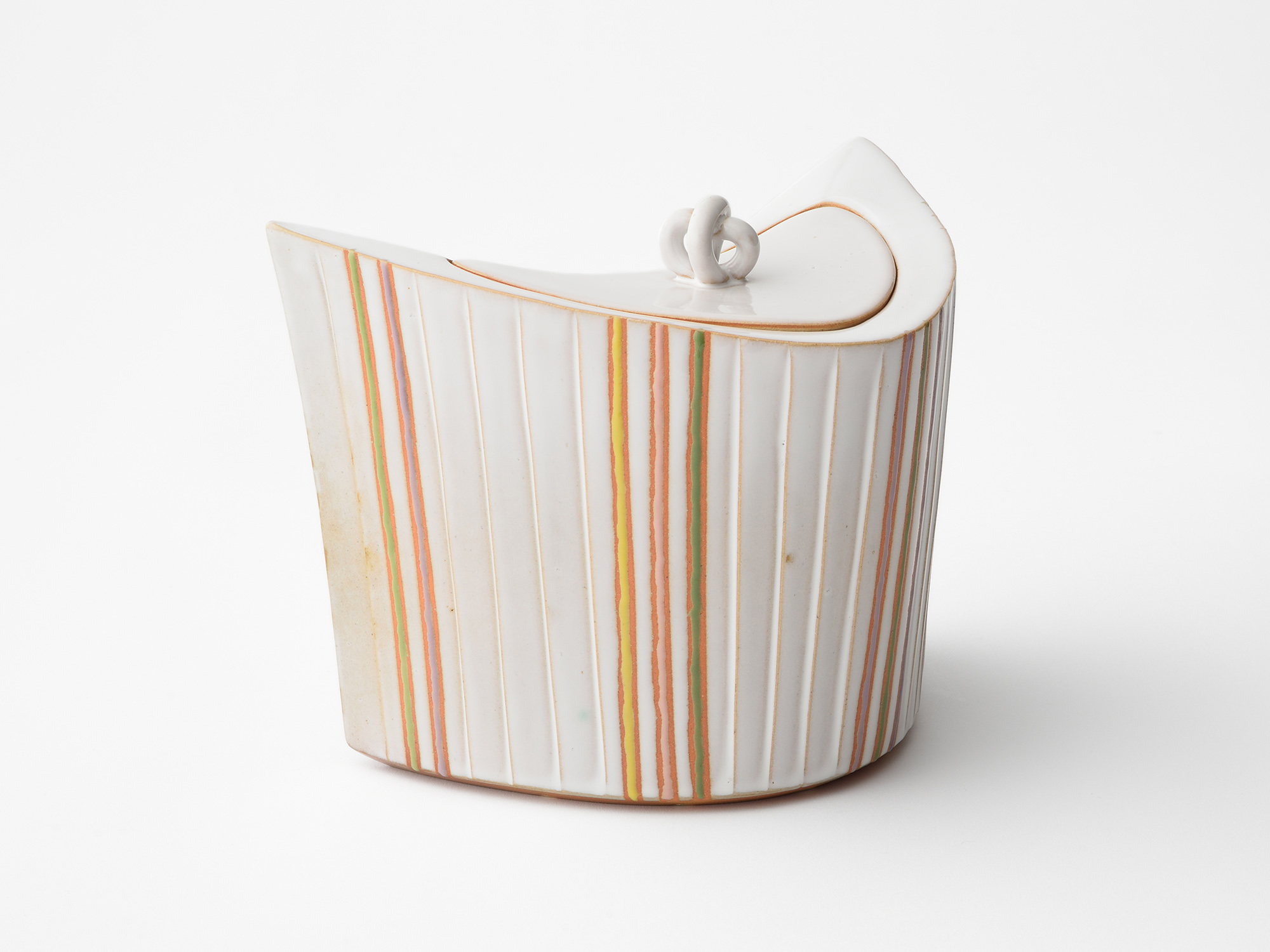
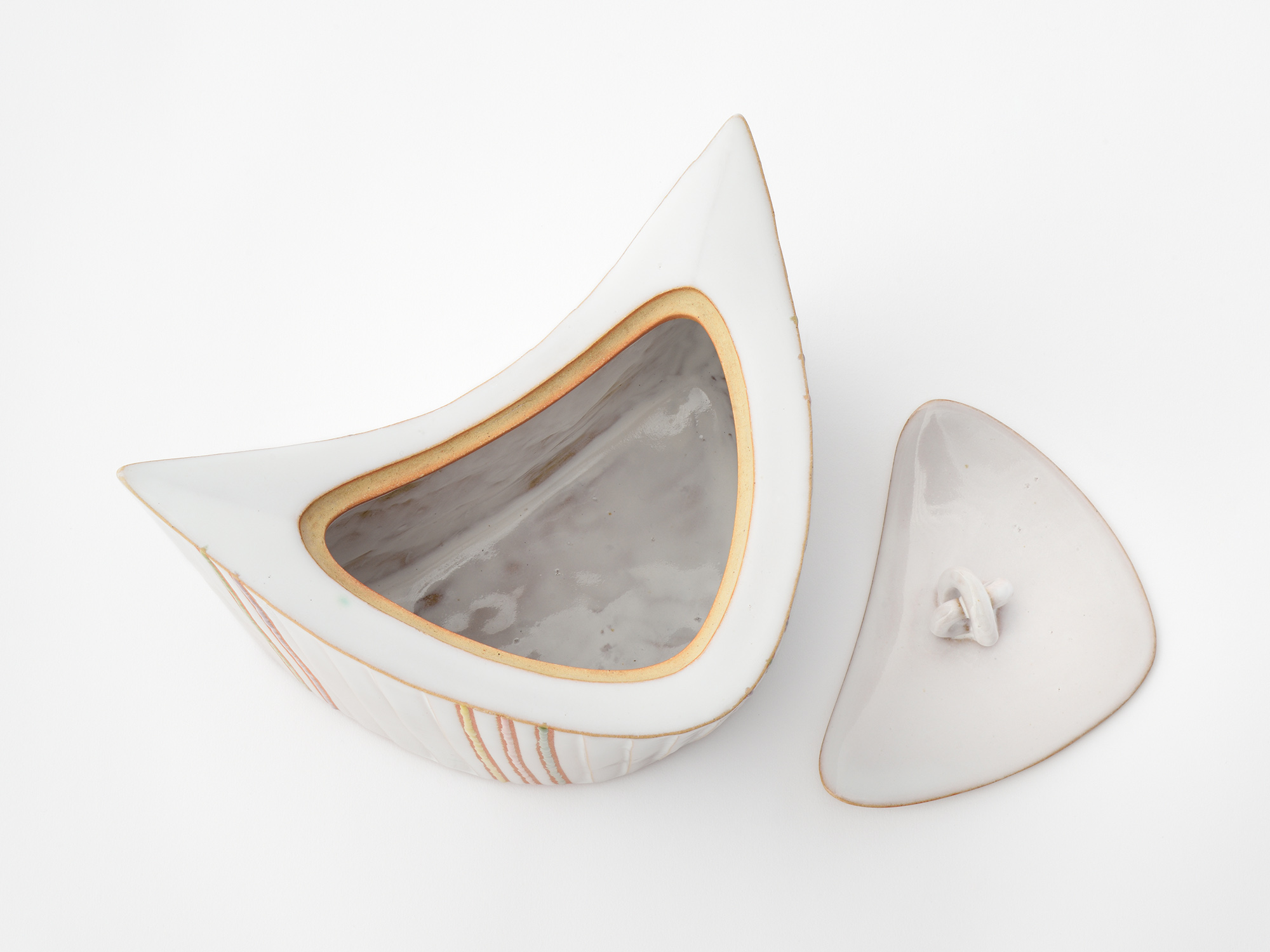
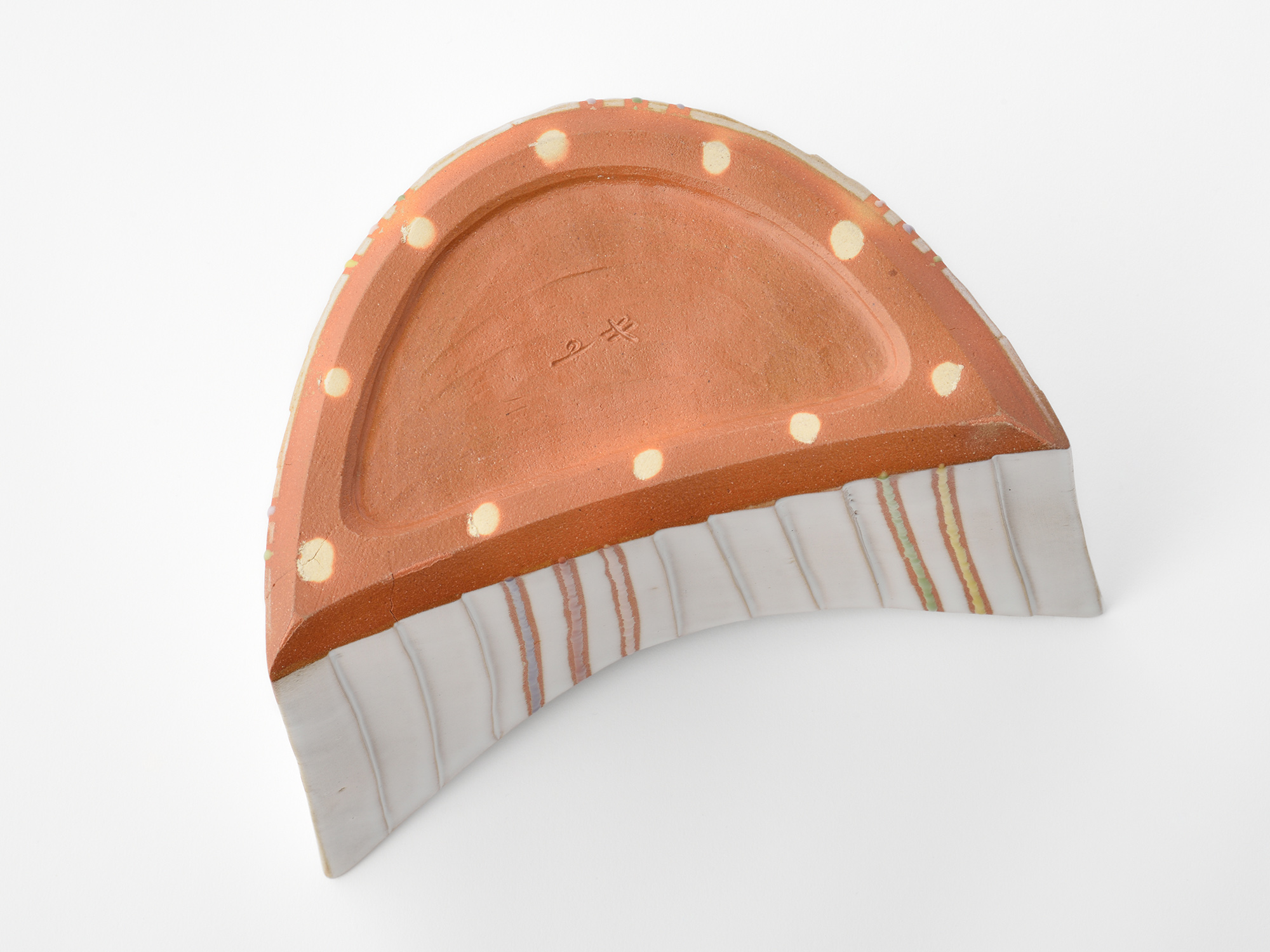
| Author name | Yukio Shakunaga Shakunaga Yukio |
| Work name | Glazed Wings Water Finger |
| box | Comes with a paulownia wood box (to be delivered later) |
| size | W 23.2 × D 18.0 × H 18.5 (㎝) |

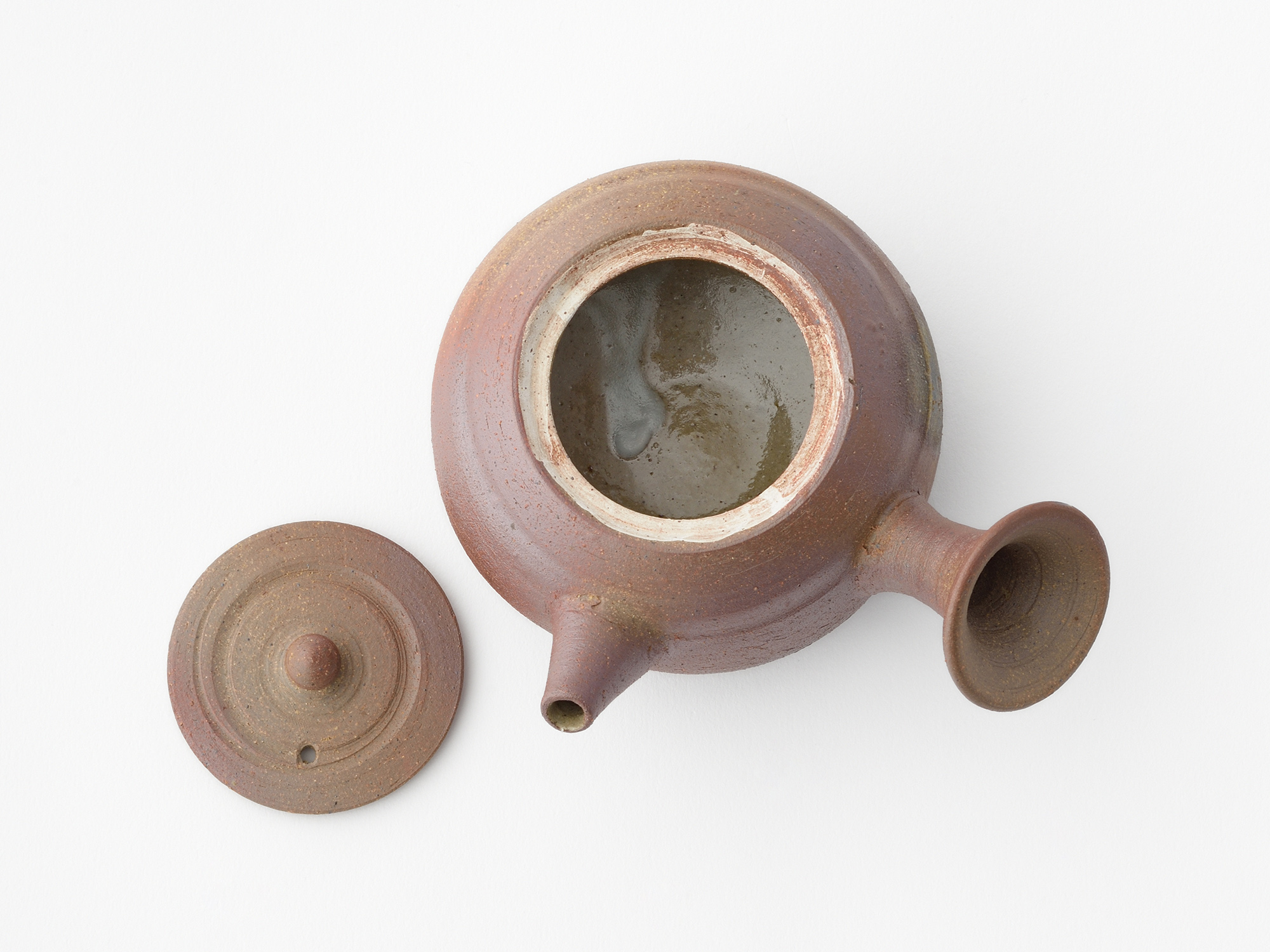

| Author name | Toshiaki Katou Katou Toshiaki |
| Work name | Carbonized teapot |
| price | 15,000 yen (excluding tax) (16,500 yen including tax) |
| box | Comes with a paulownia wood box (to be delivered later) |
| size | W 12.5 × D 10.5 × H 7.5 (㎝) |
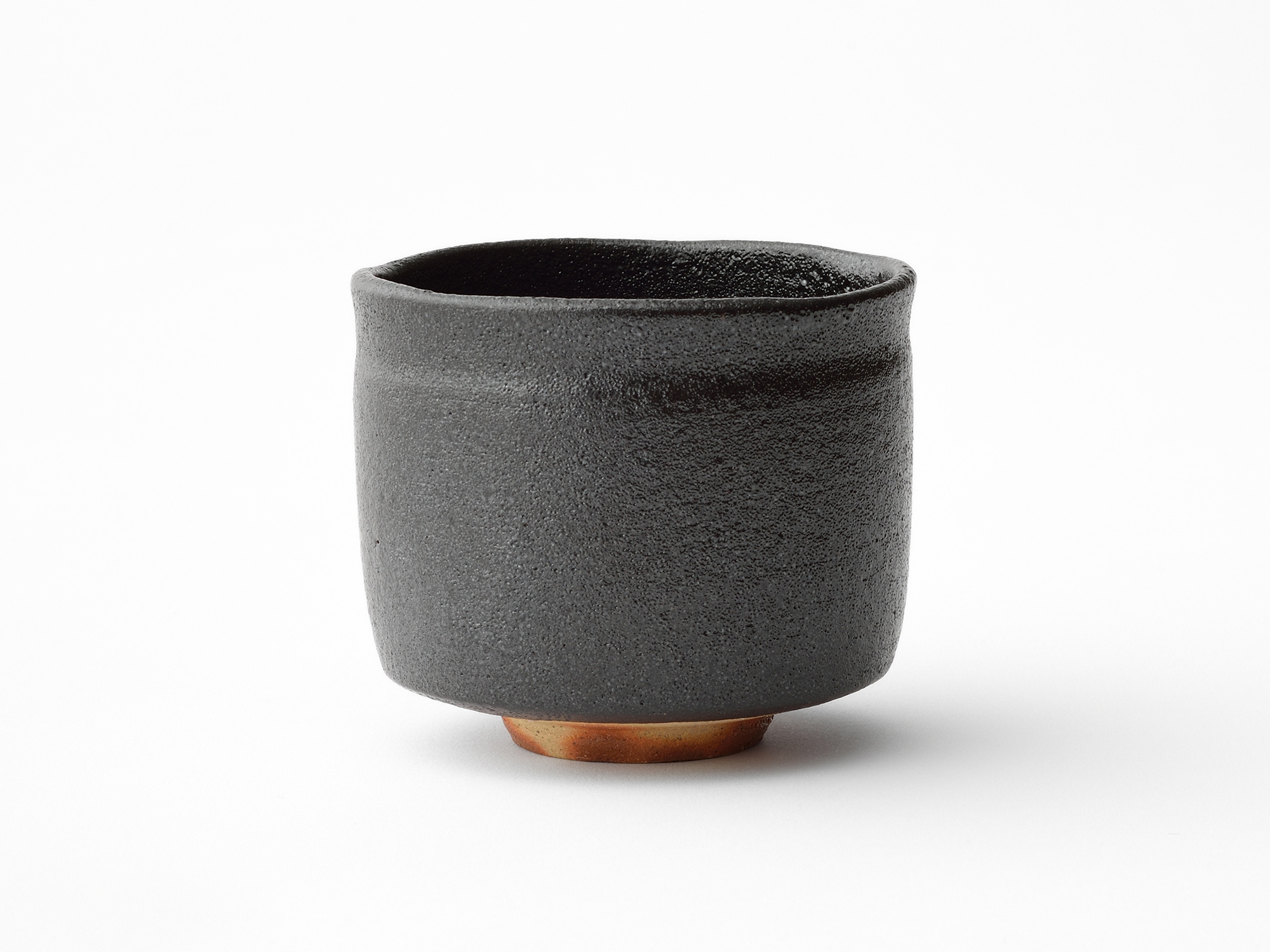

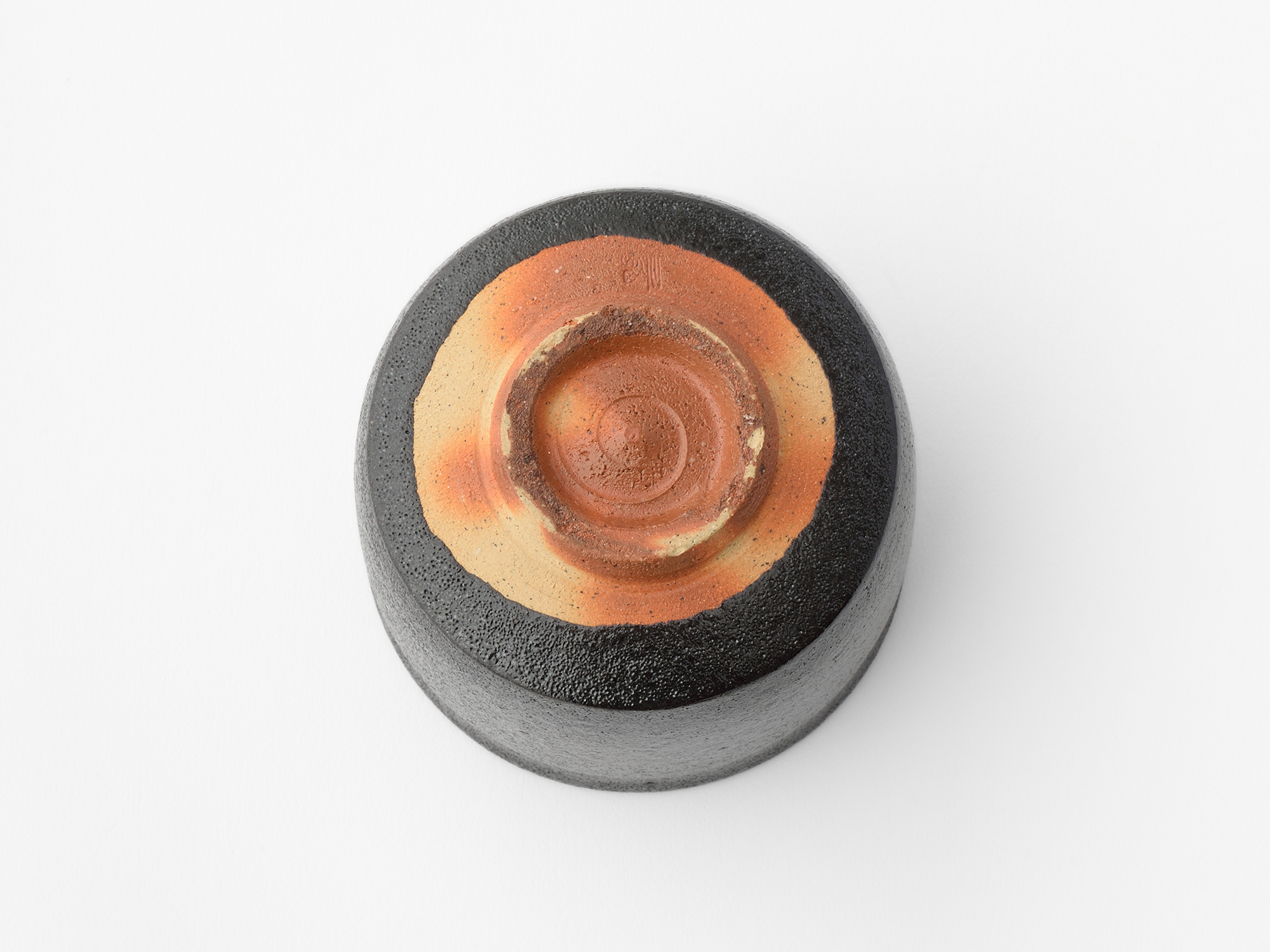
| Author name | Toshiaki Katou Katou Toshiaki |
| Work name | black tea bowl |
| price | 150,000 yen (excluding tax) (165,000 yen including tax) |
| box | Comes with a paulownia wood box (to be delivered later) |
| size | Φ 10.2 × H 8.7 (㎝) |
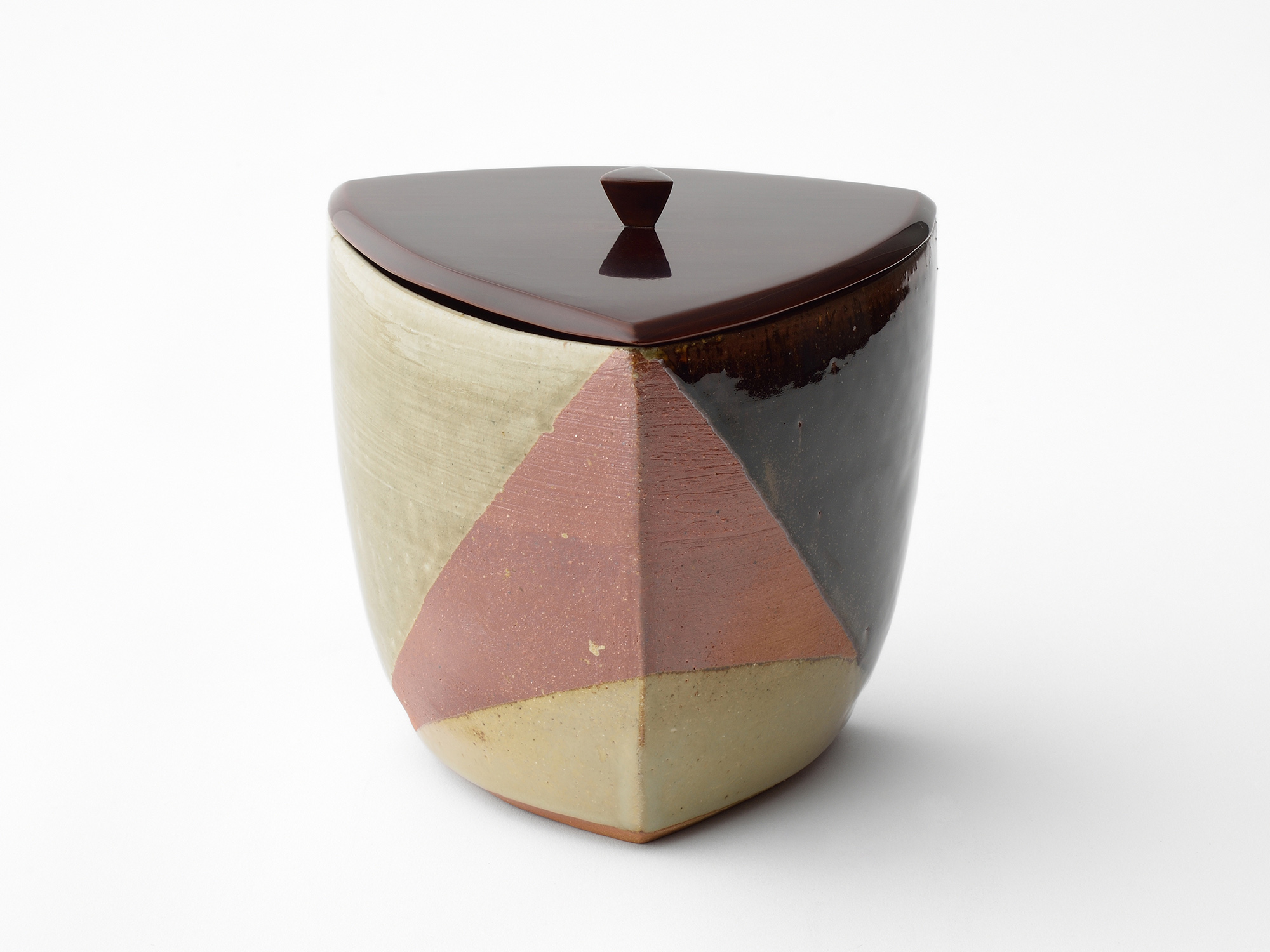
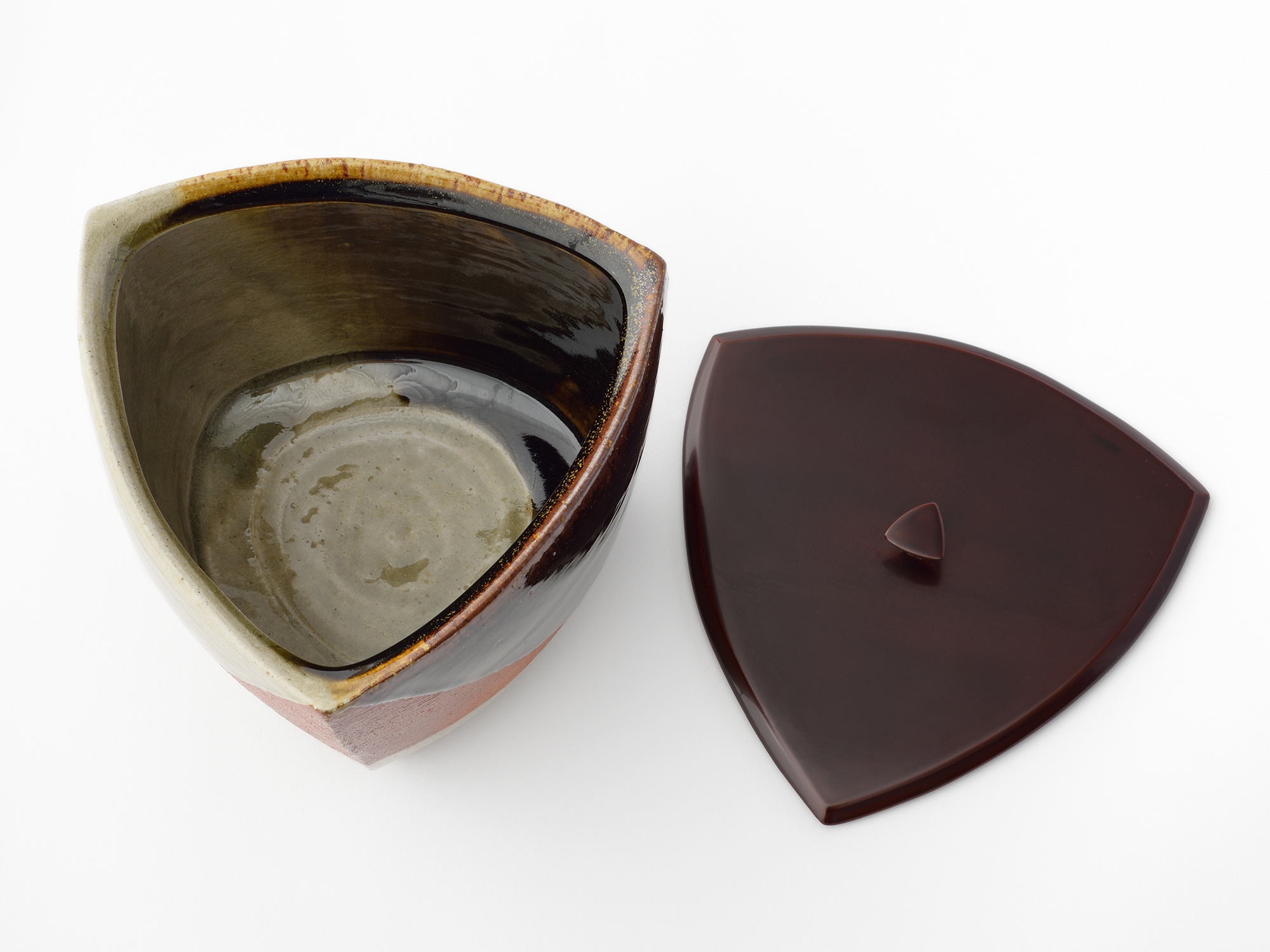
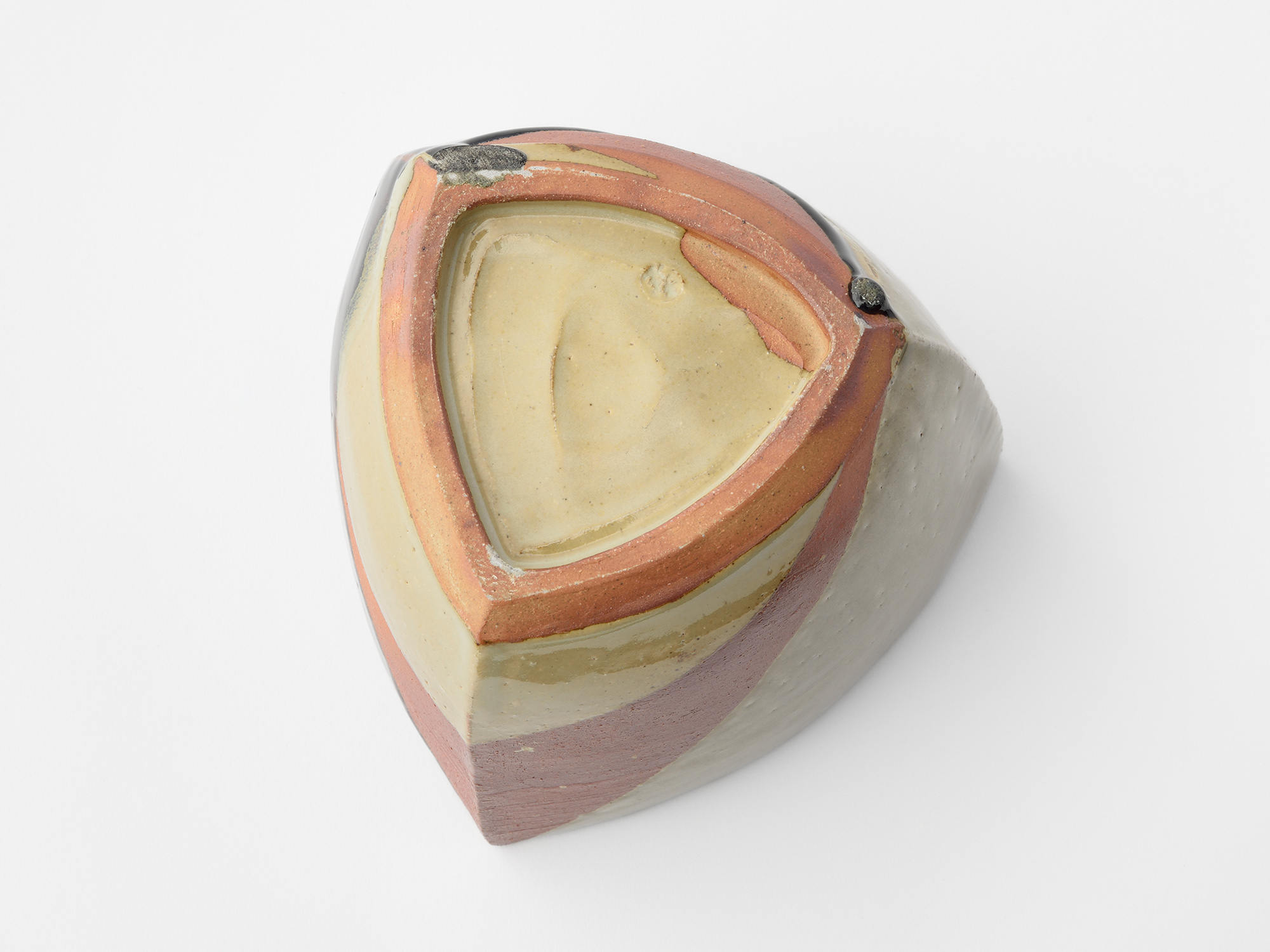
| Author name | Kagaku Yoshino Yoshino Kougaku |
| Work name | Three-color glazed water container [Sold] |
| price | 150,000 yen (excluding tax) (165,000 yen including tax) |
| box | Comes with a paulownia wood box (to be delivered later) |
| size | W 17.5 × D 17.5 × H 17.5 (㎝) |
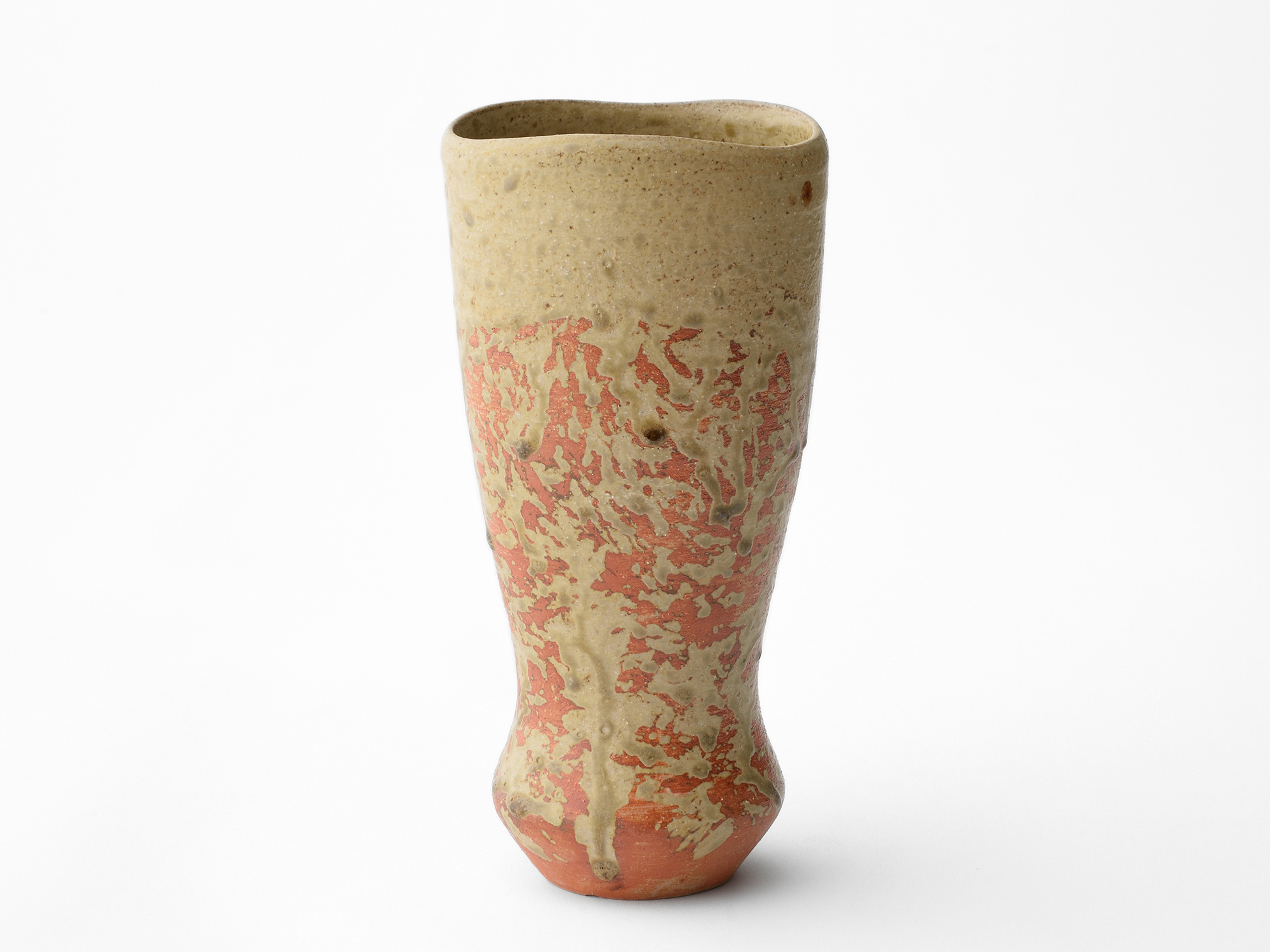

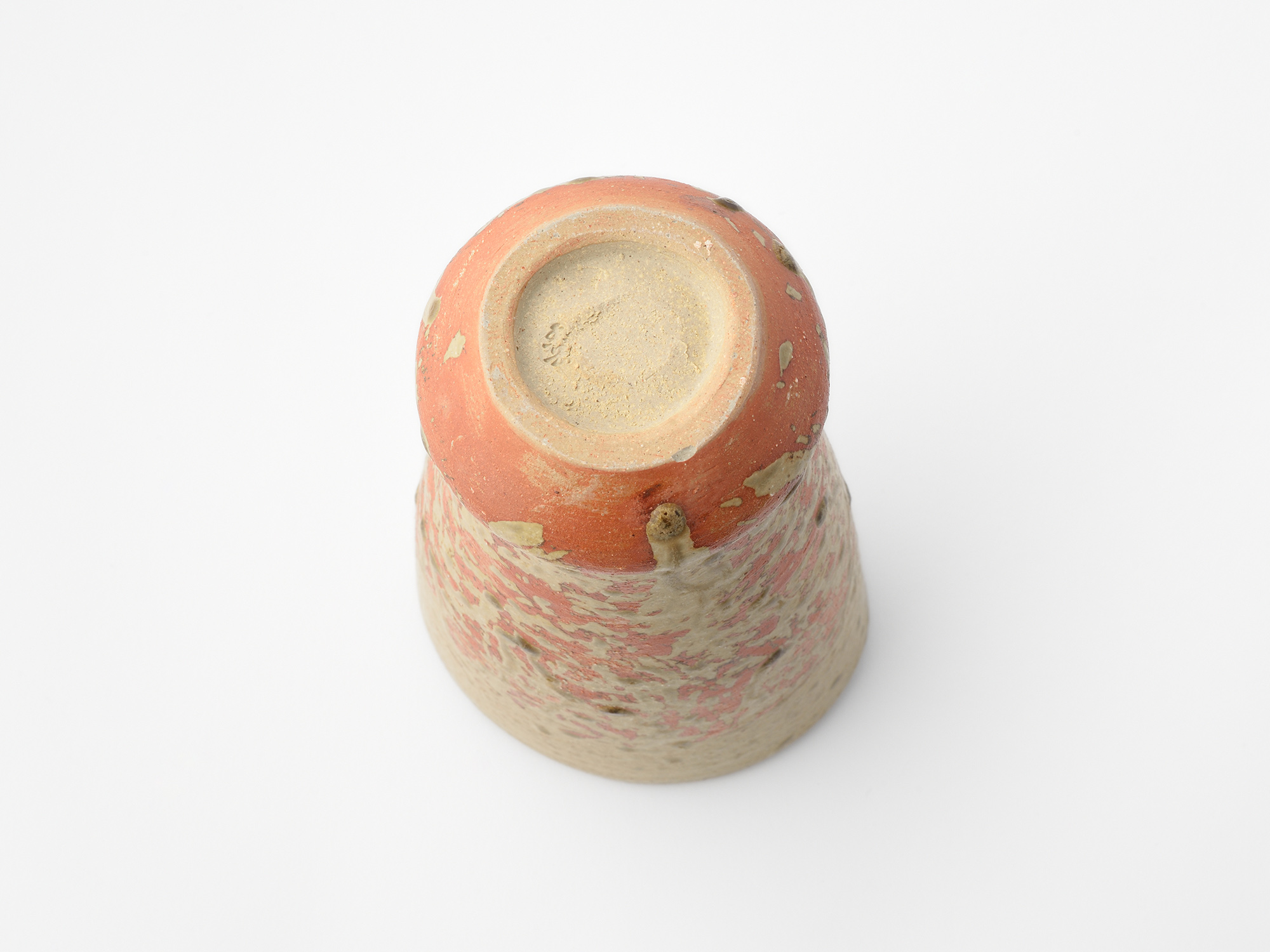
| Author name | Kagaku Yoshino Yoshino Kougaku |
| Work name | Ash-glazed flower vase |
| price | 70,000 yen (excluding tax) (77,000 yen including tax) |
| box | Comes with a paulownia wood box (to be delivered later) |
| size | W 11.8 × D 10.0 × H 24.0 (㎝) |

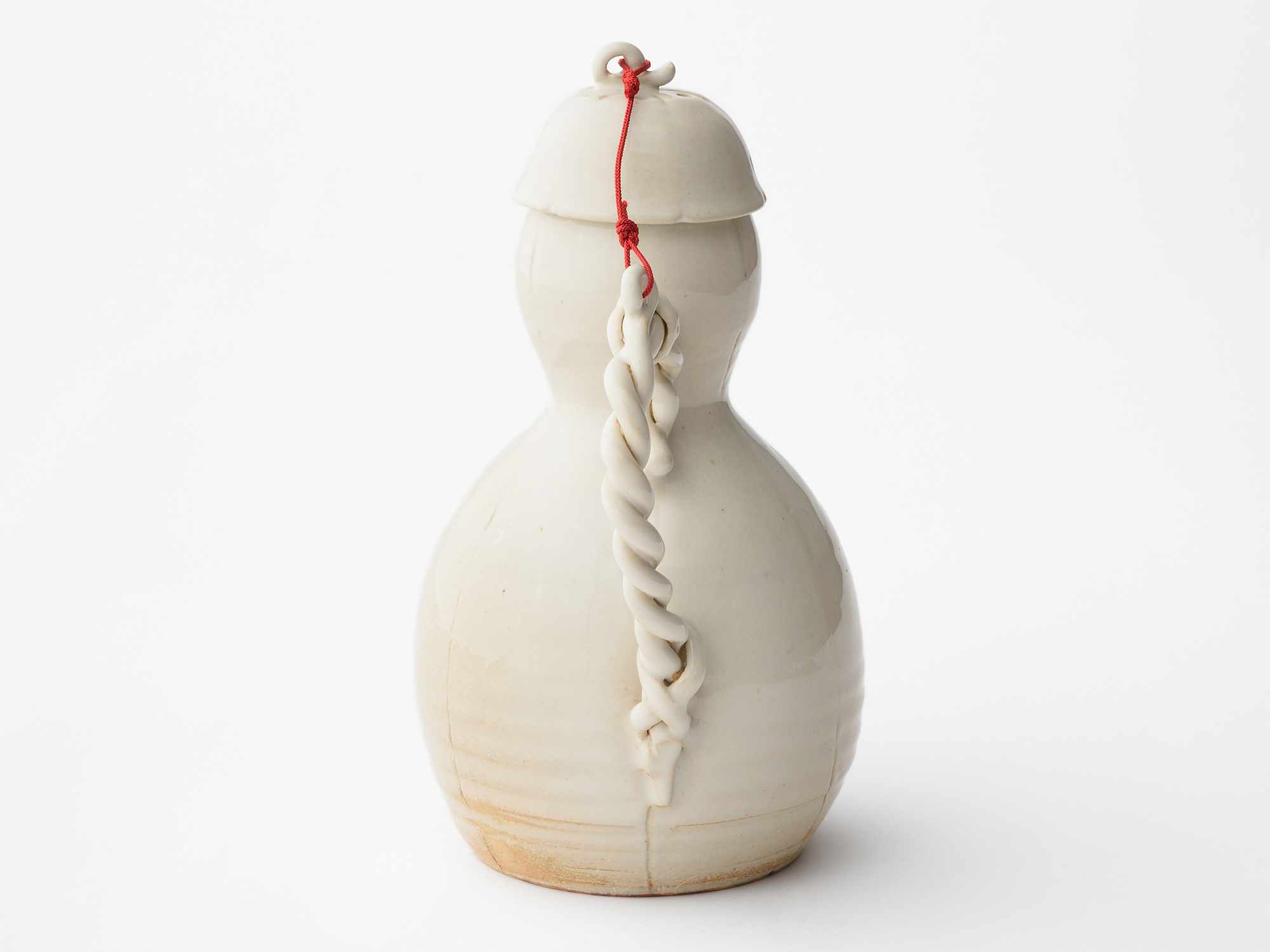
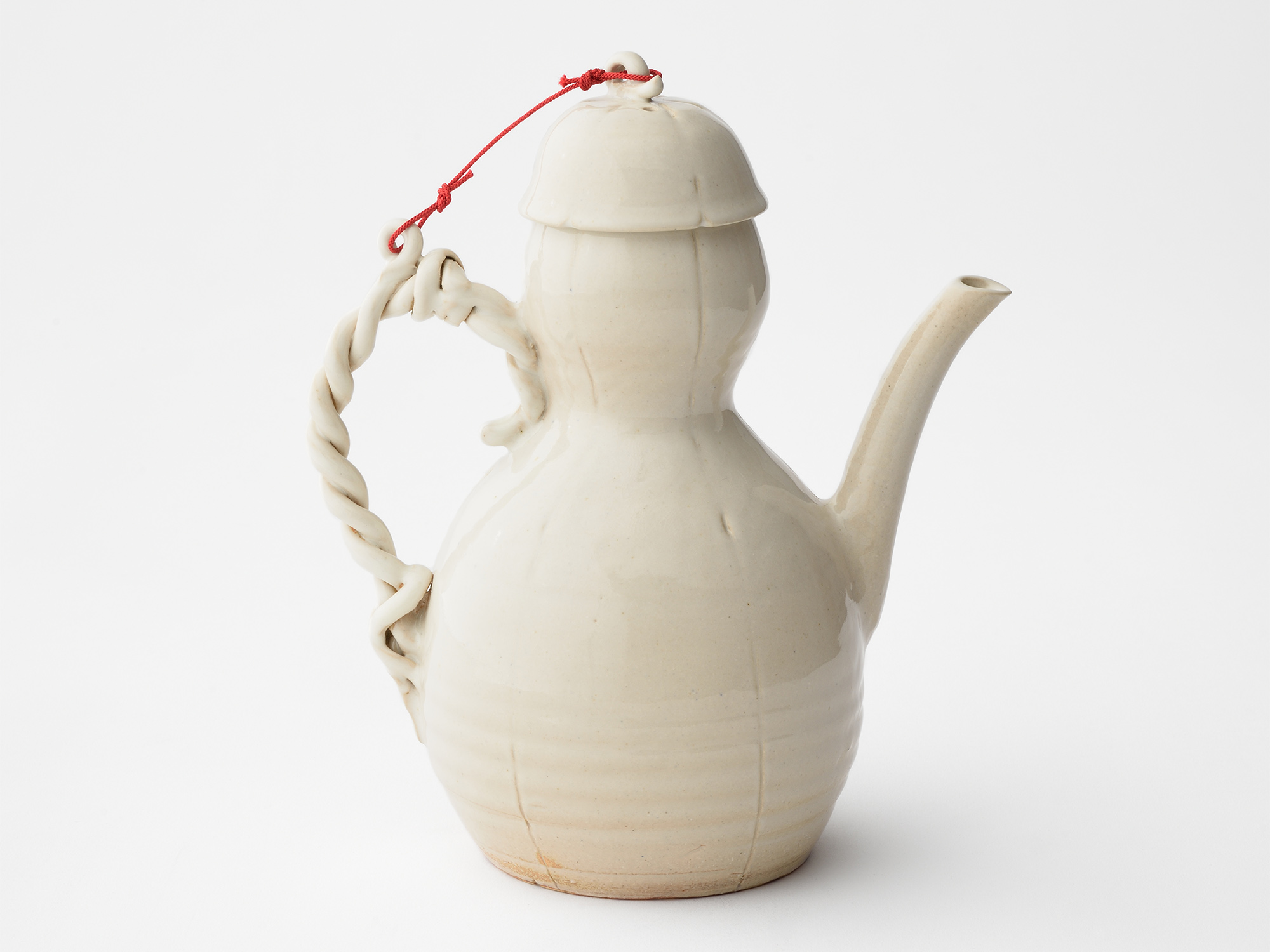
| Author name | Fumi Kitamura Kitamura Fumi |
| Work name | Etchu Seto Straw Ash Glazed Water Jug |
| price | 120,000 yen (excluding tax) (132,000 yen including tax) |
| box | Comes with a paulownia wood box (to be delivered later) |
| size | W 20.0 × D 12.8 × H 23.2 (㎝) |
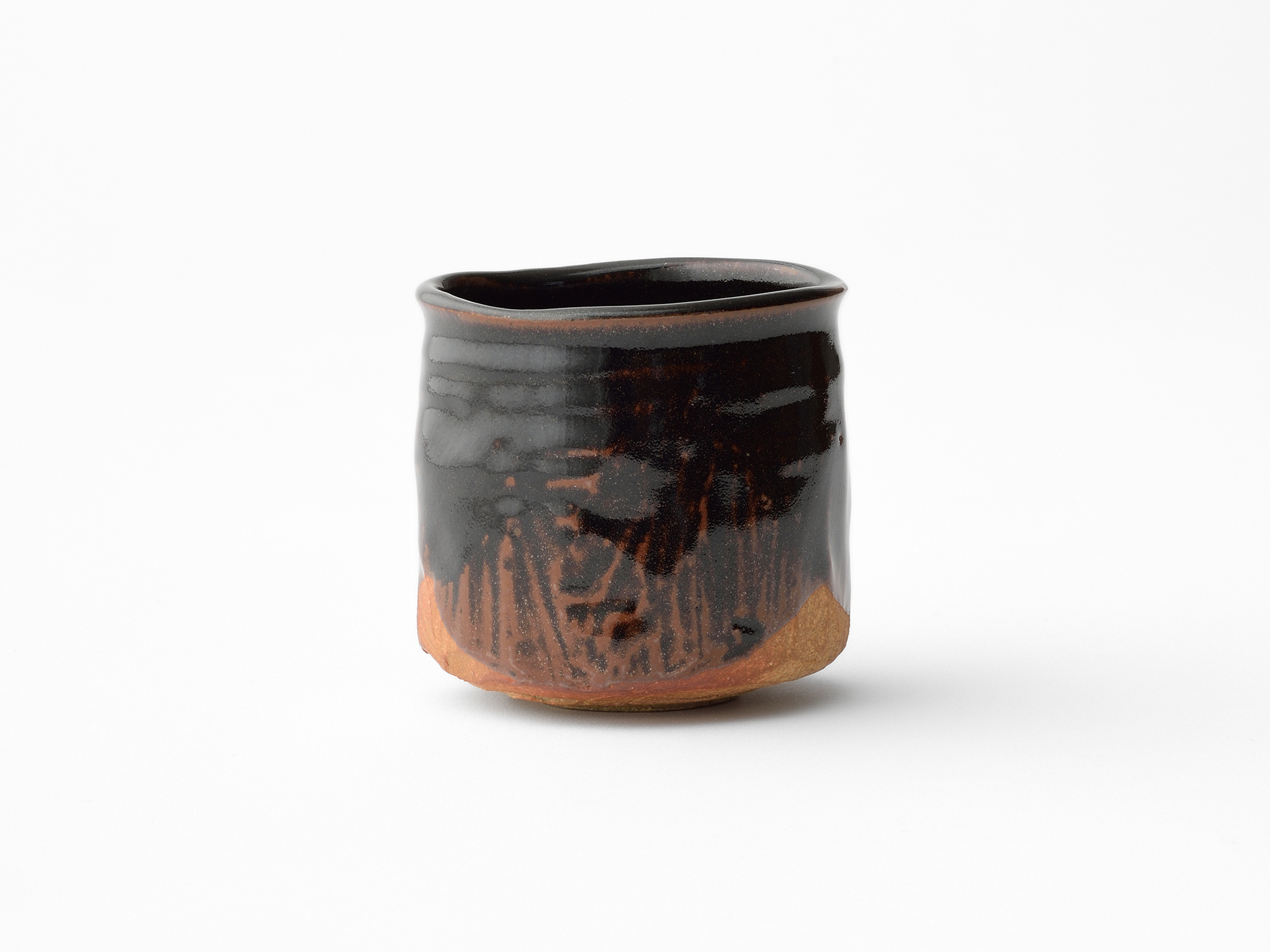
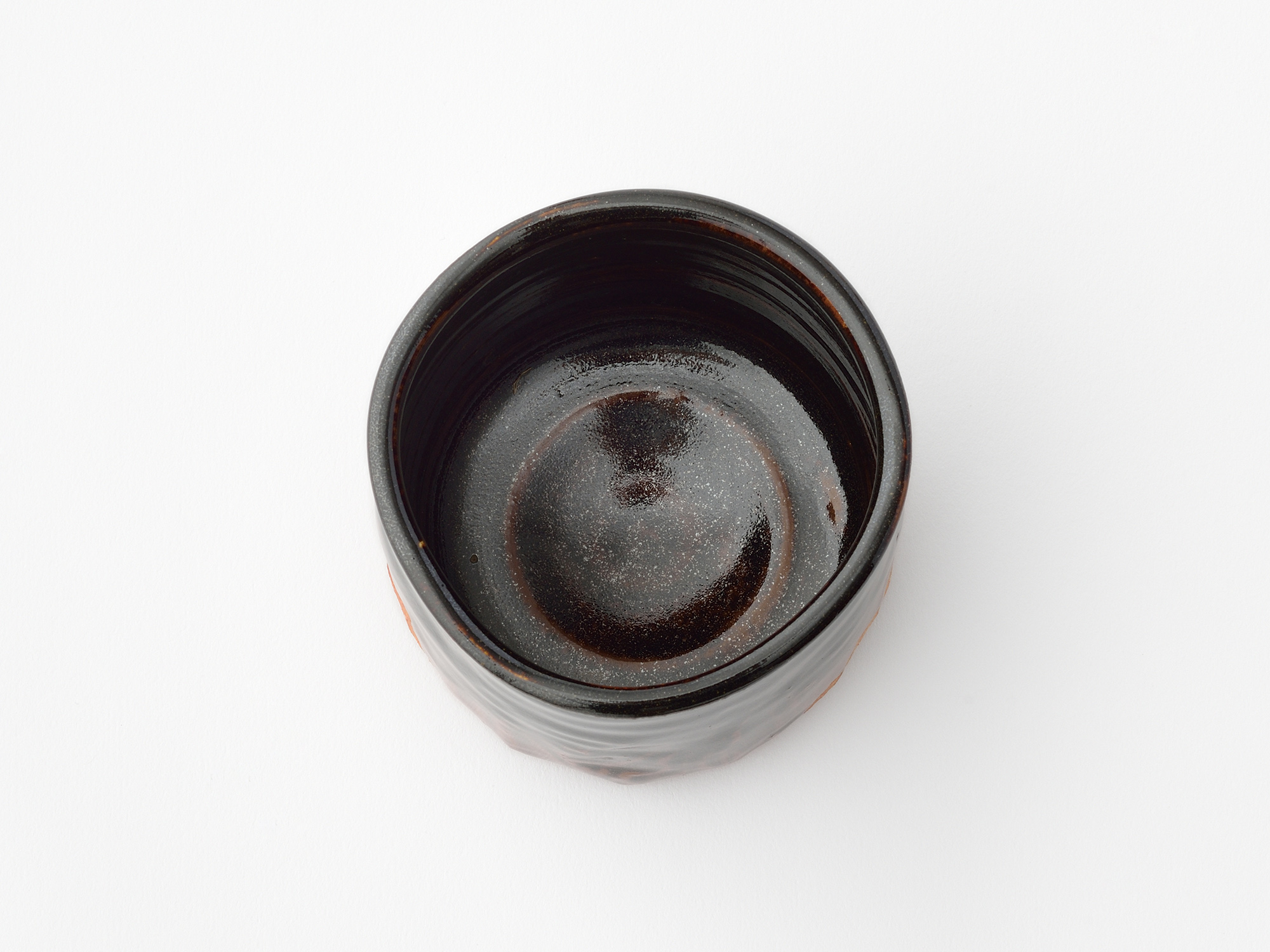
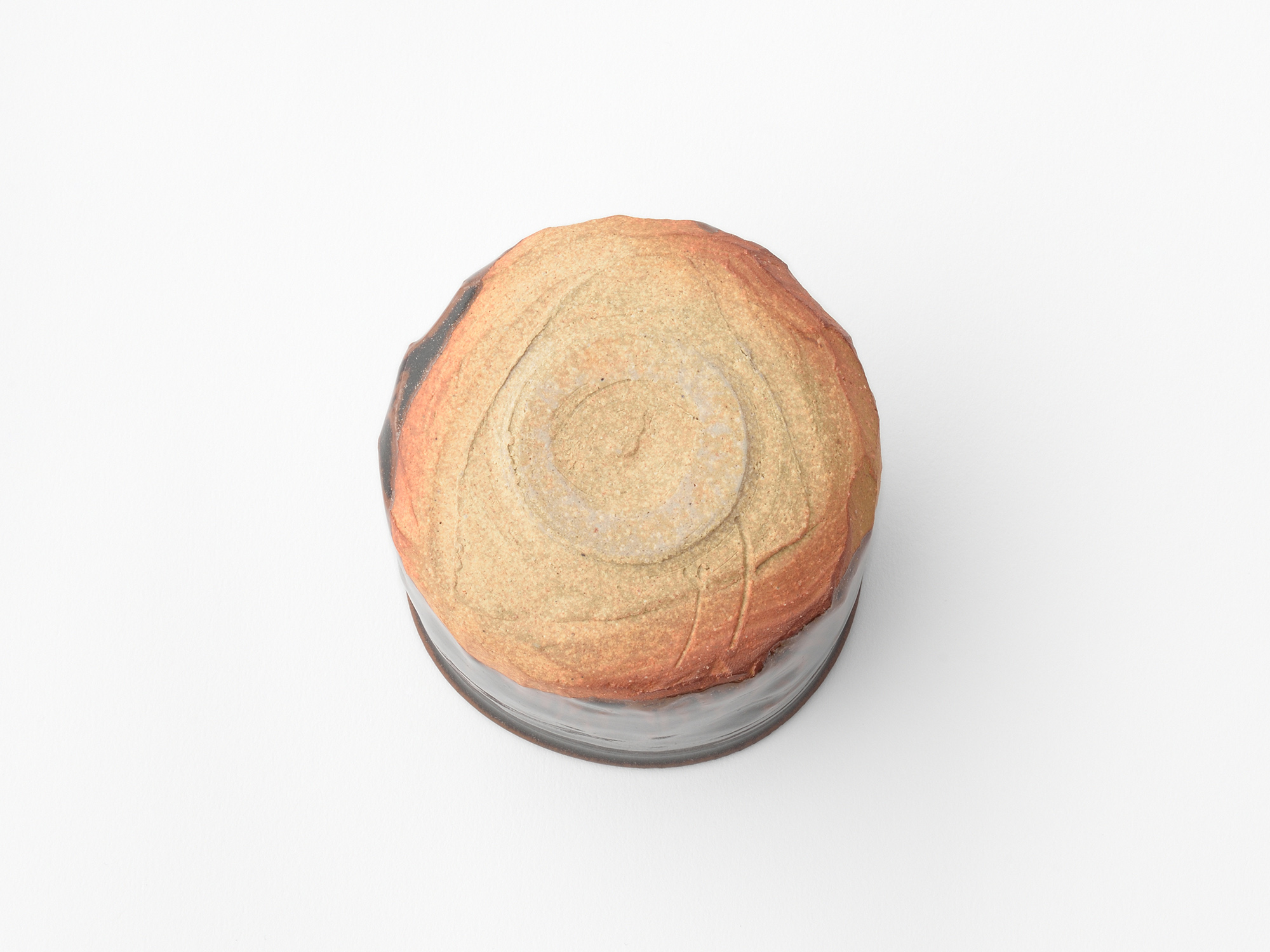
| Author name | Fumi Kitamura Kitamura Fumi |
| Work name | Etchu Seto Black Tea Bowl |
| price | 90,000 yen (excluding tax) (99,000 yen including tax) |
| box | Comes with a paulownia wood box (to be delivered later) |
| size | Φ 9.0 × H 8.8 (㎝) |
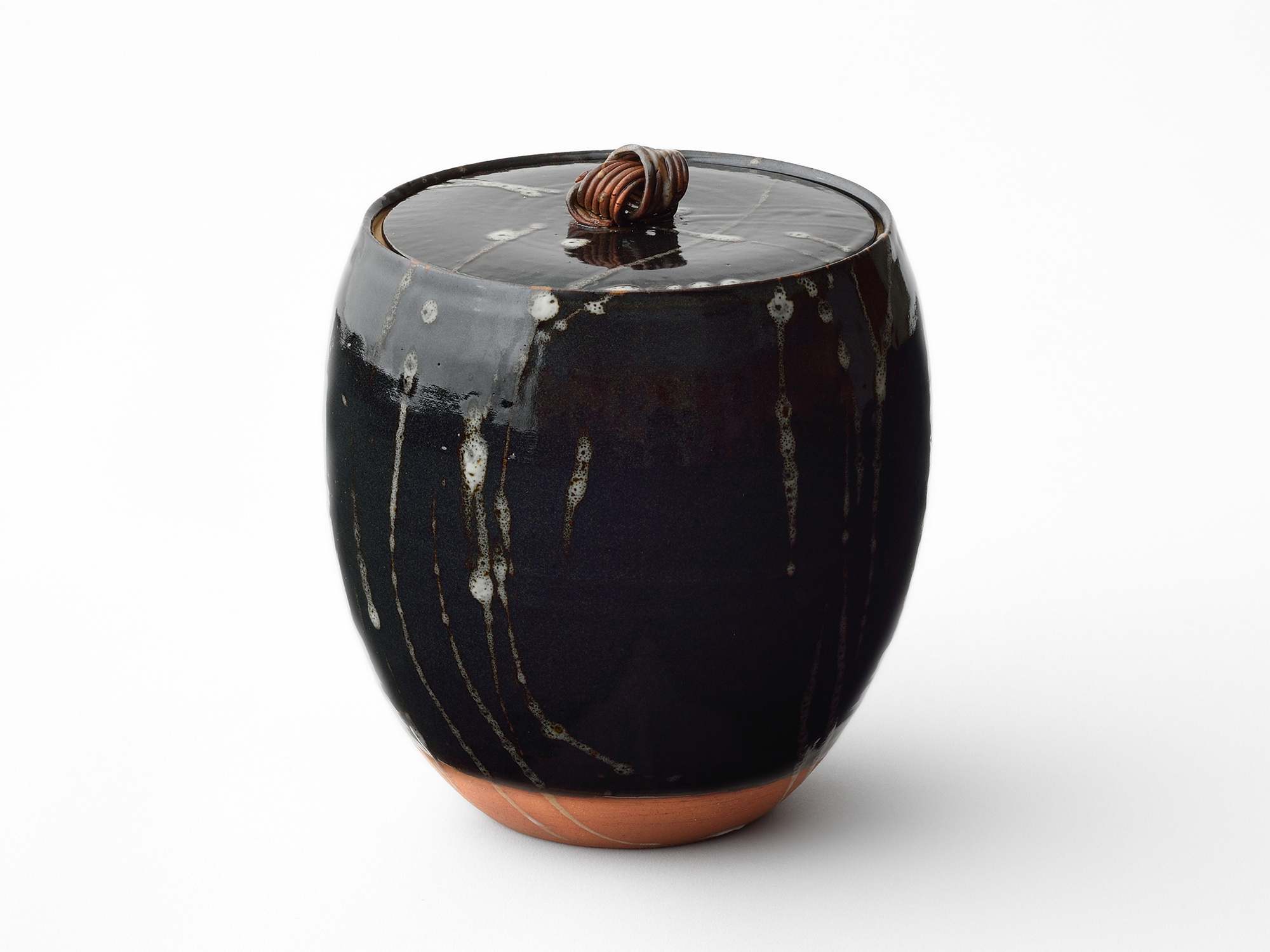
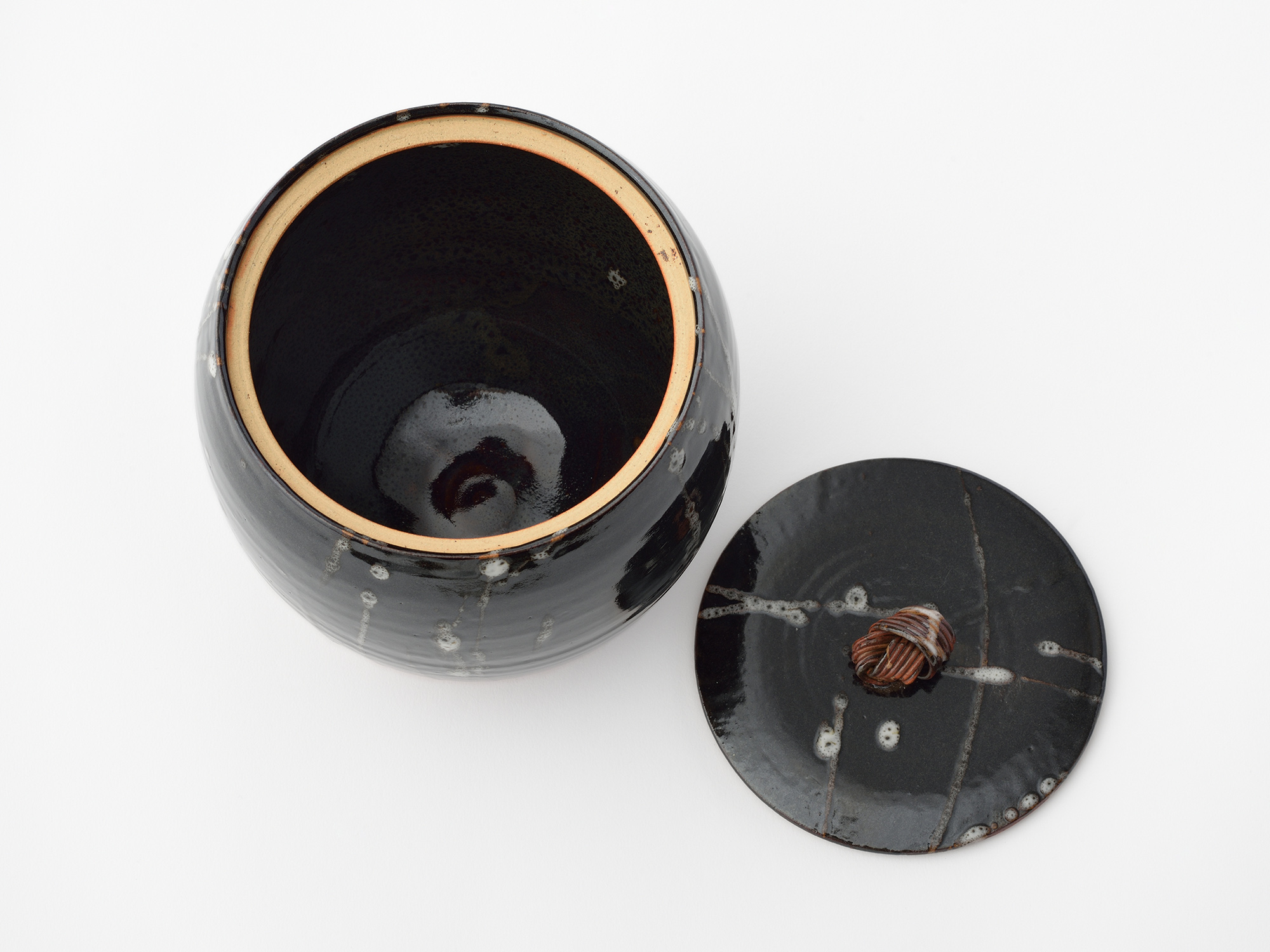
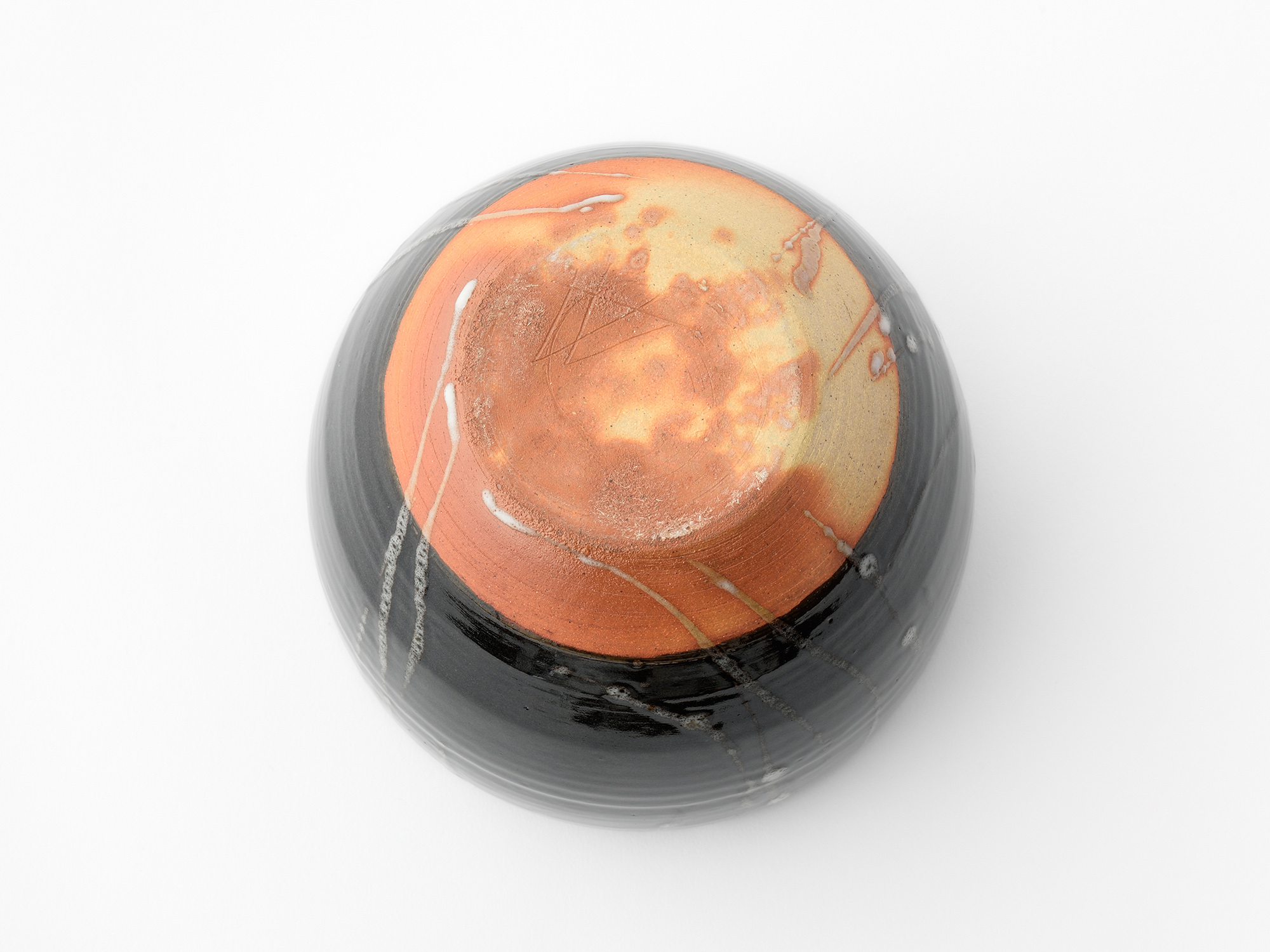
| Author name | Satoko Yamada Yamada Satoko |
| Work name | Water container with drawn line patterns |
| price | 70,000 yen (excluding tax) (77,000 yen including tax) |
| box | Comes with a paulownia wood box (to be delivered later) |
| size | Φ 16.0 × H 18.0 (㎝) |
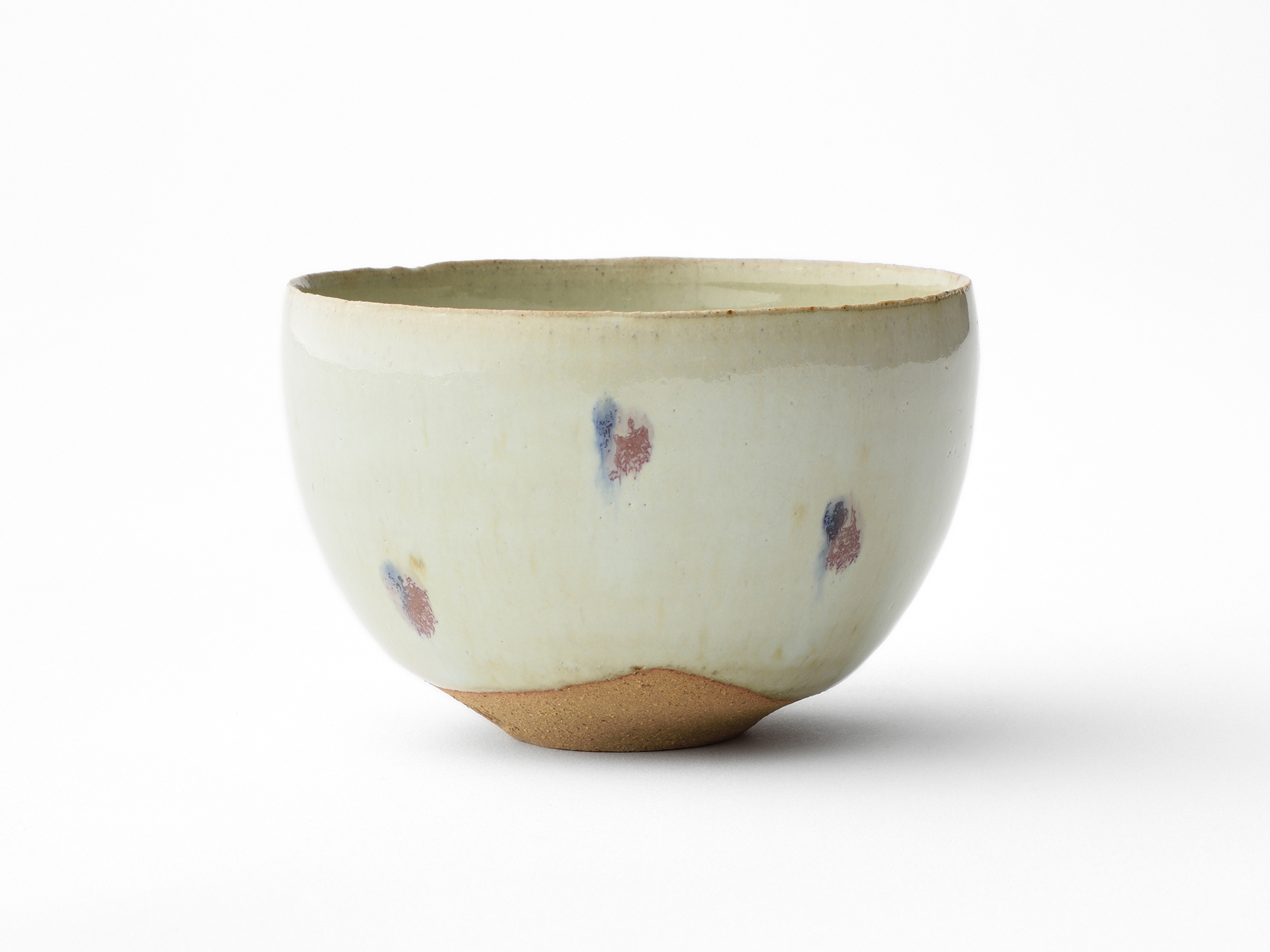
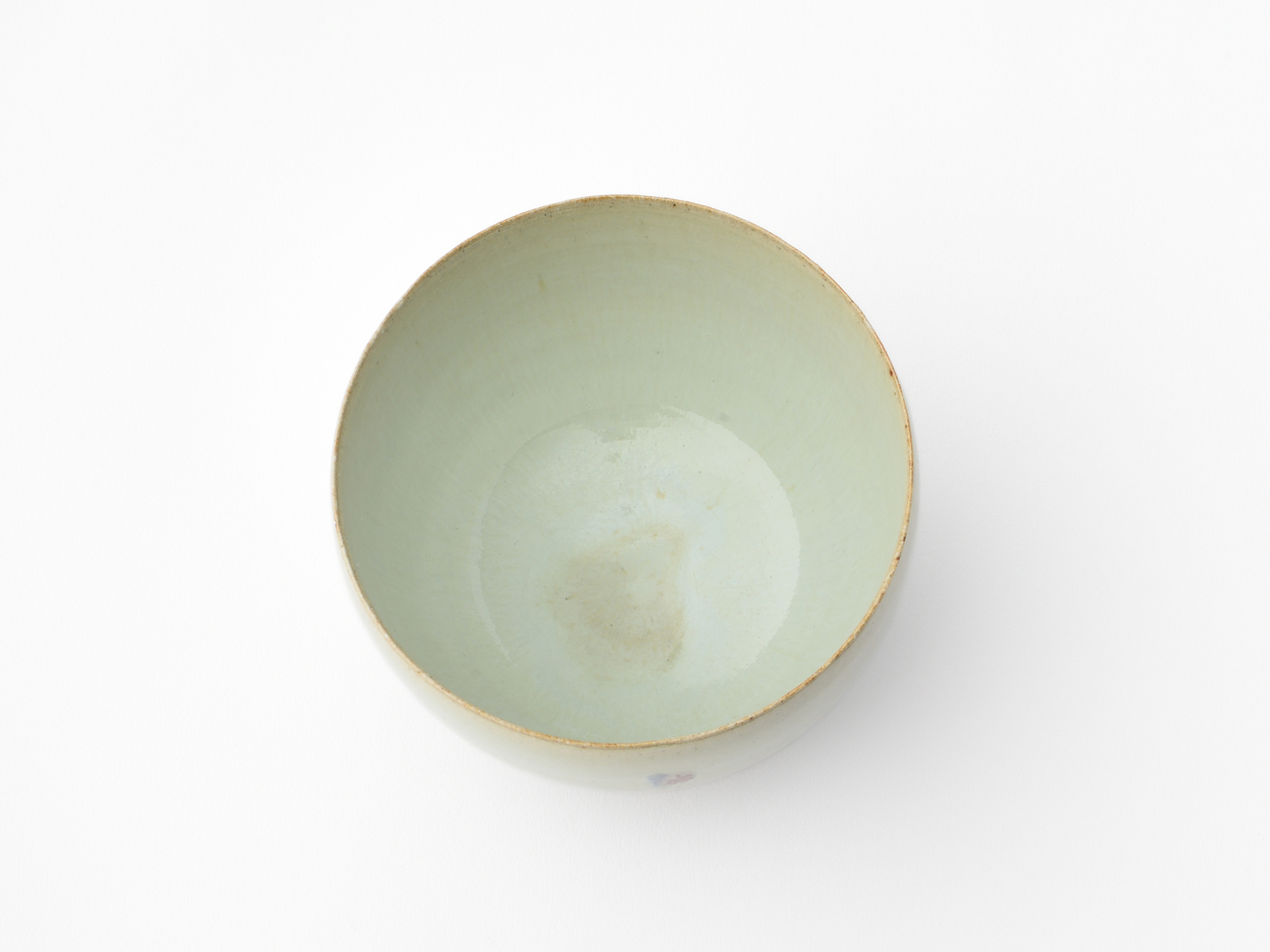
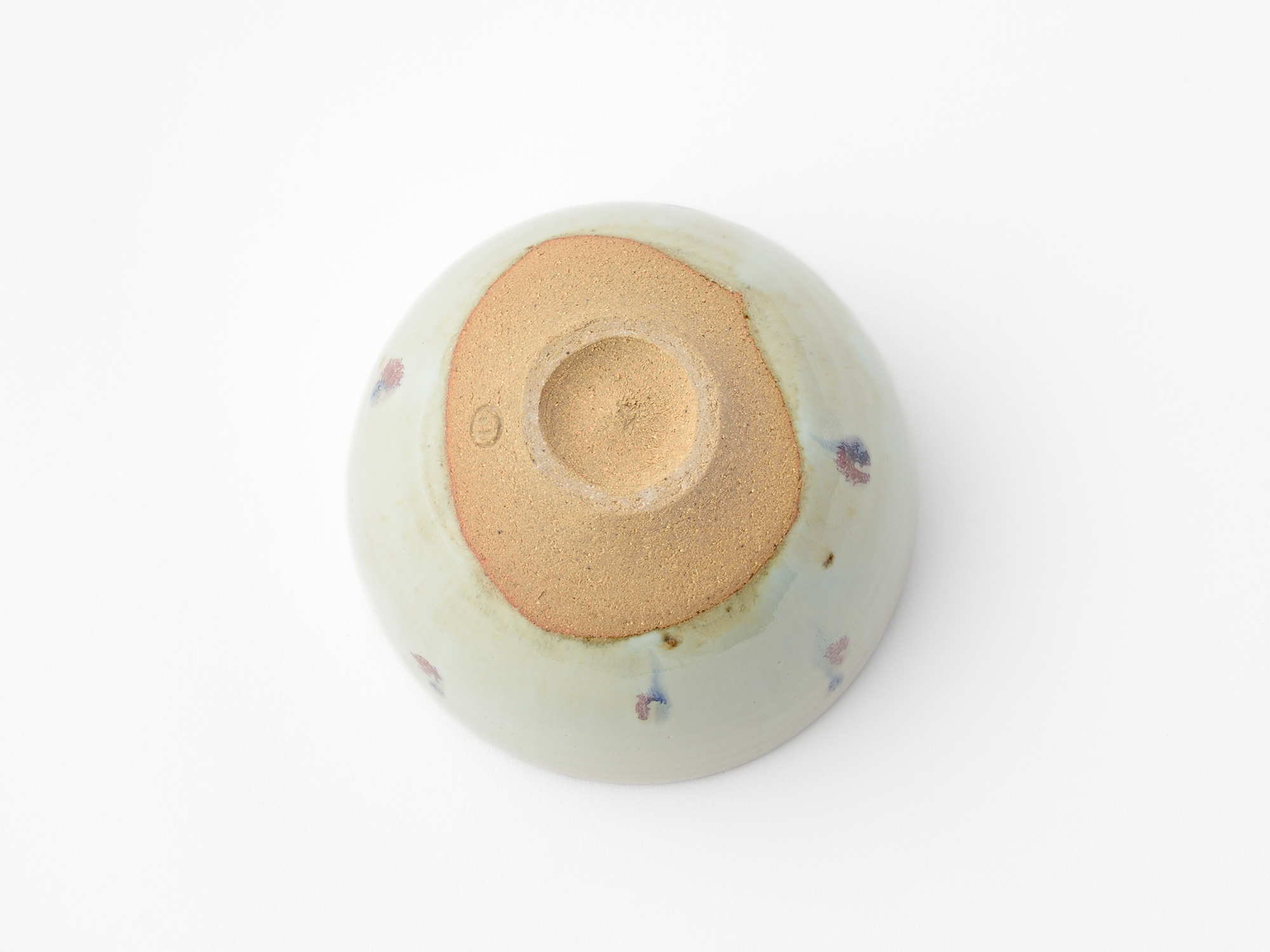
| Author name | Satoko Yamada Yamada Satoko |
| Work name | Two-colored dot pattern tea bowl |
| price | 50,000 yen (excluding tax) (55,000 yen including tax) |
| box | Comes with a paulownia wood box (to be delivered later) |
| size | Φ 125. × H 8.2 (㎝) |
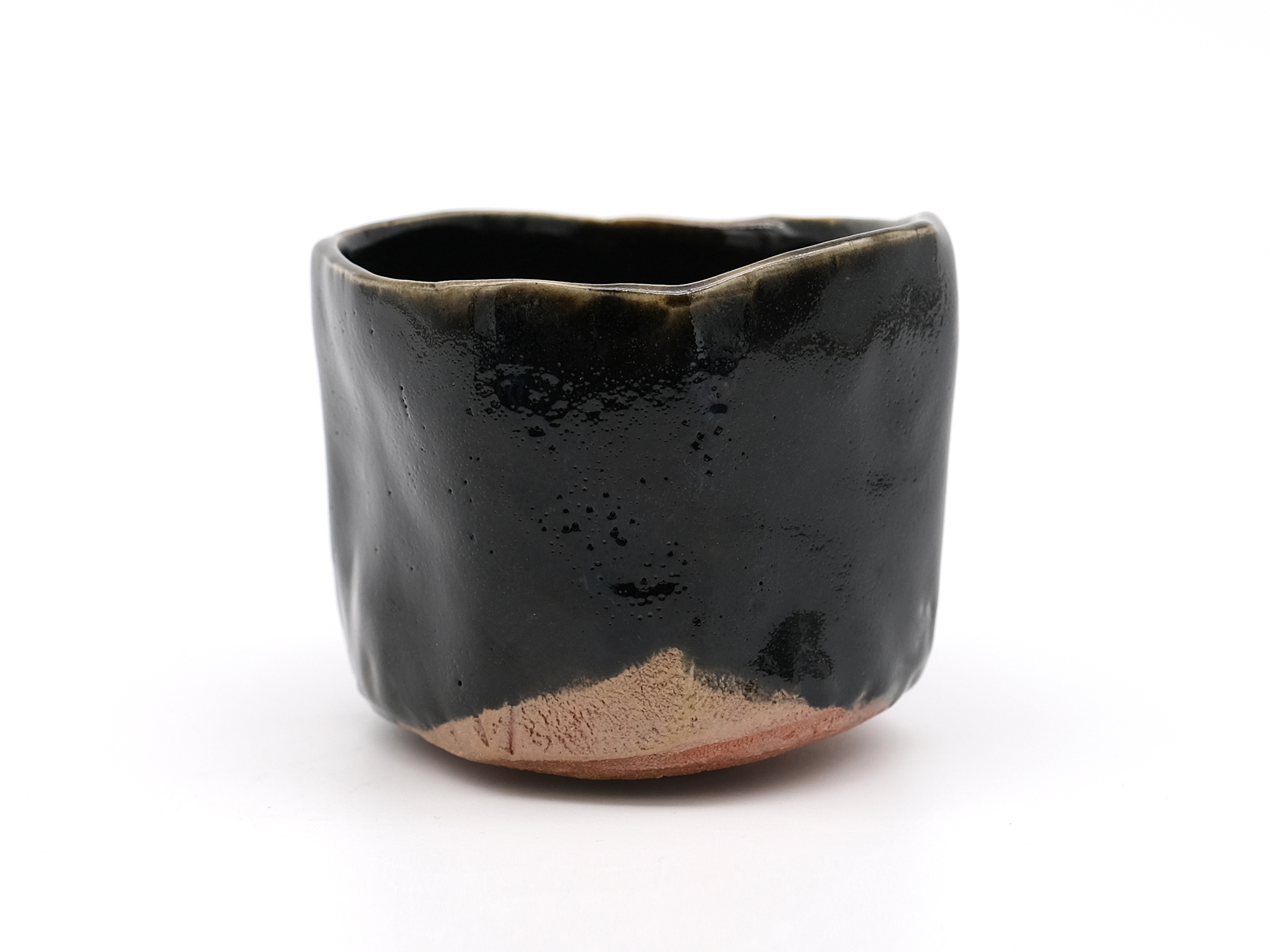

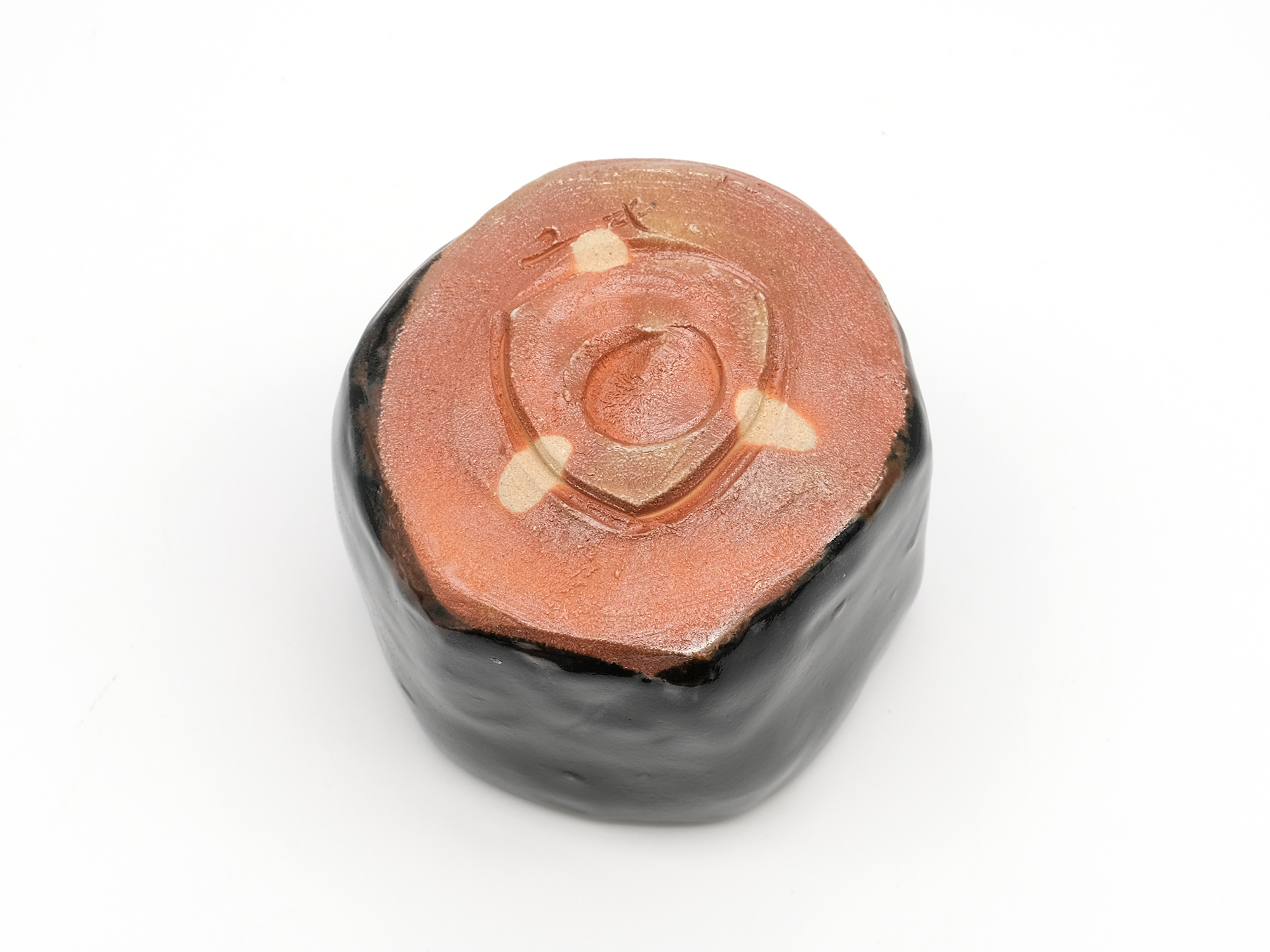
| Author name | Yukio Shakunaga Shakunaga Yukio |
| Work name | Black spatula-marked tea bowl |
| box | Comes with a paulownia wood box (to be delivered later) |
| size | W 12.0 × D 11.3 × H 9.8 (㎝) |
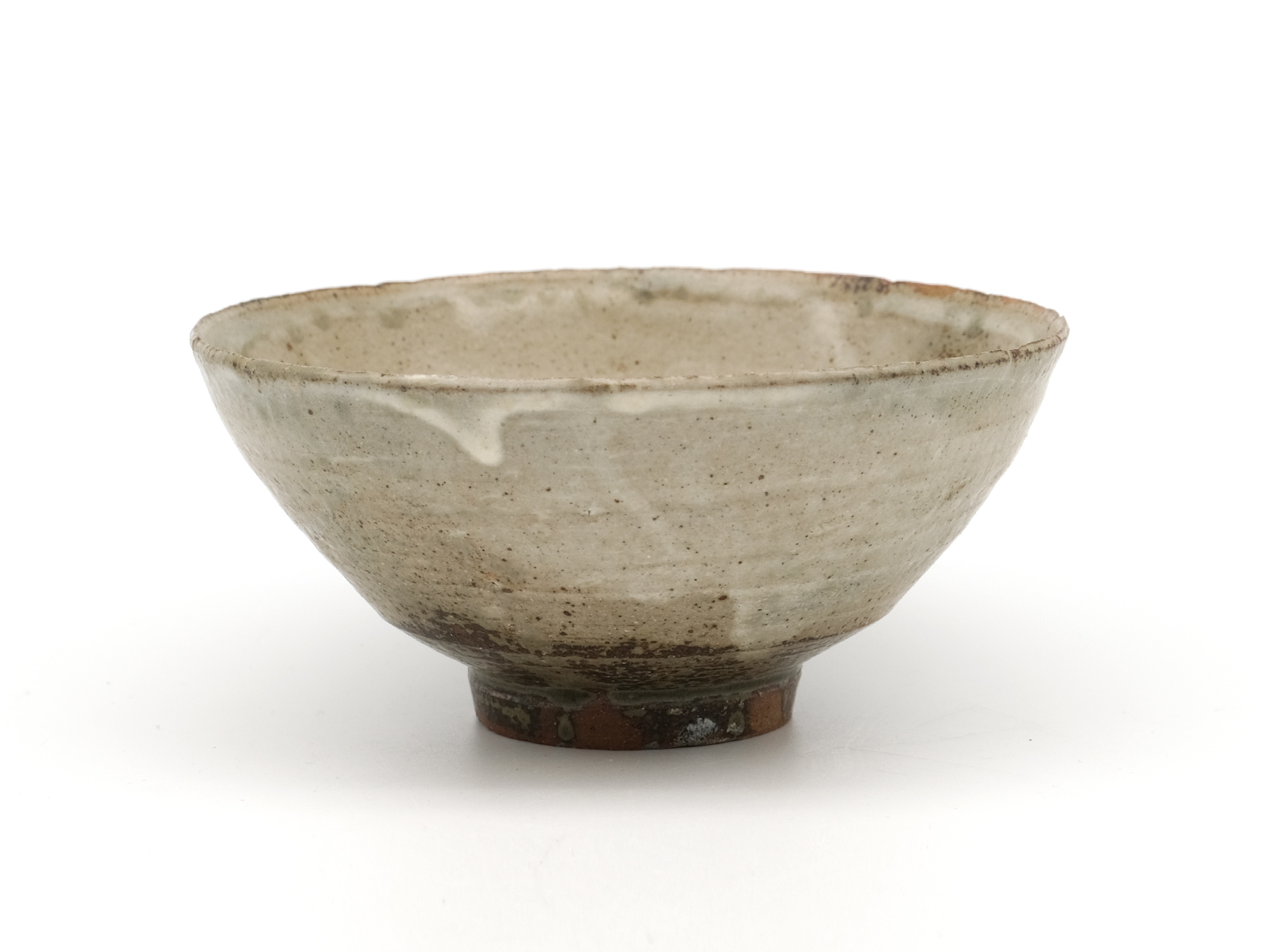
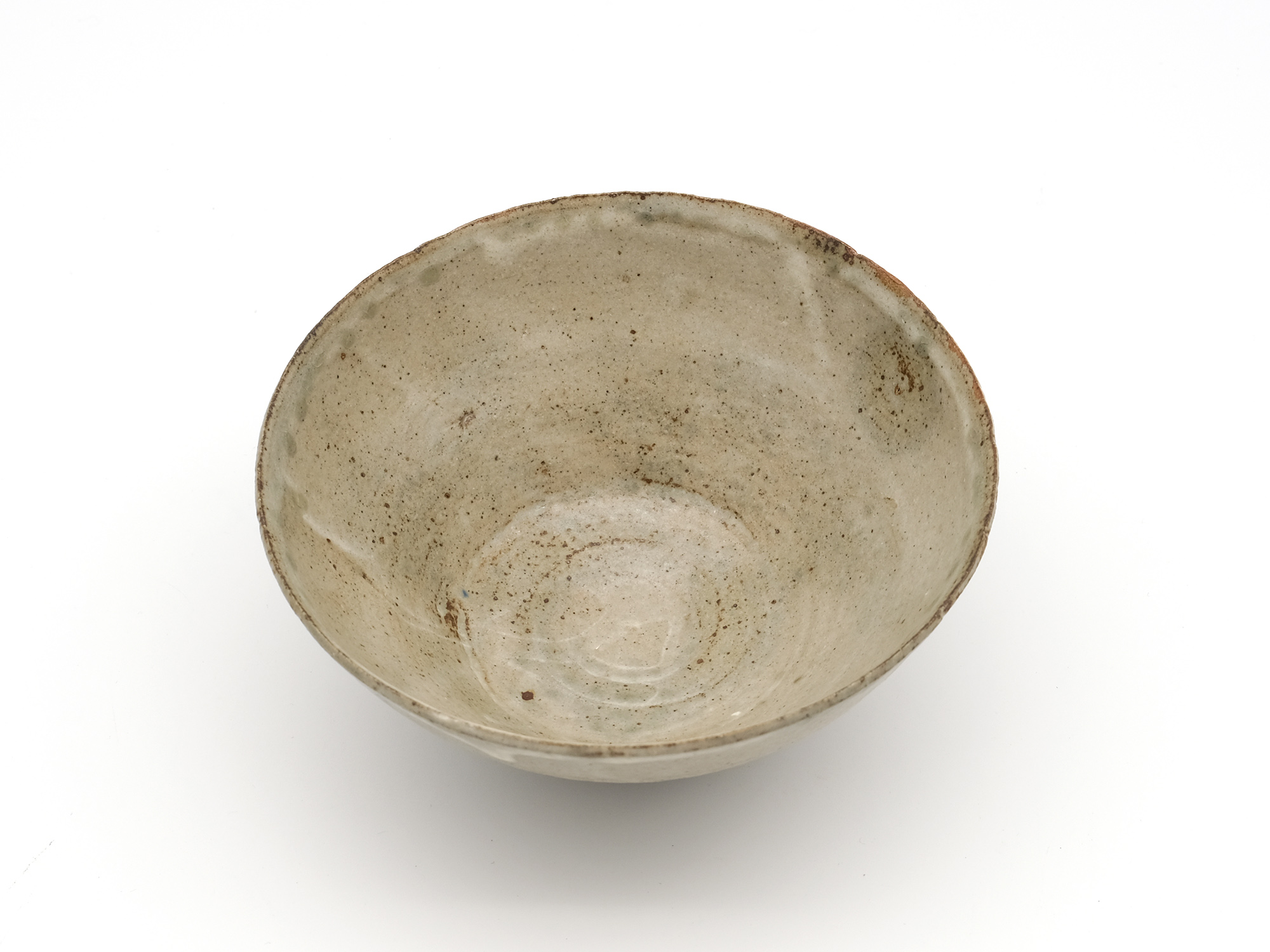
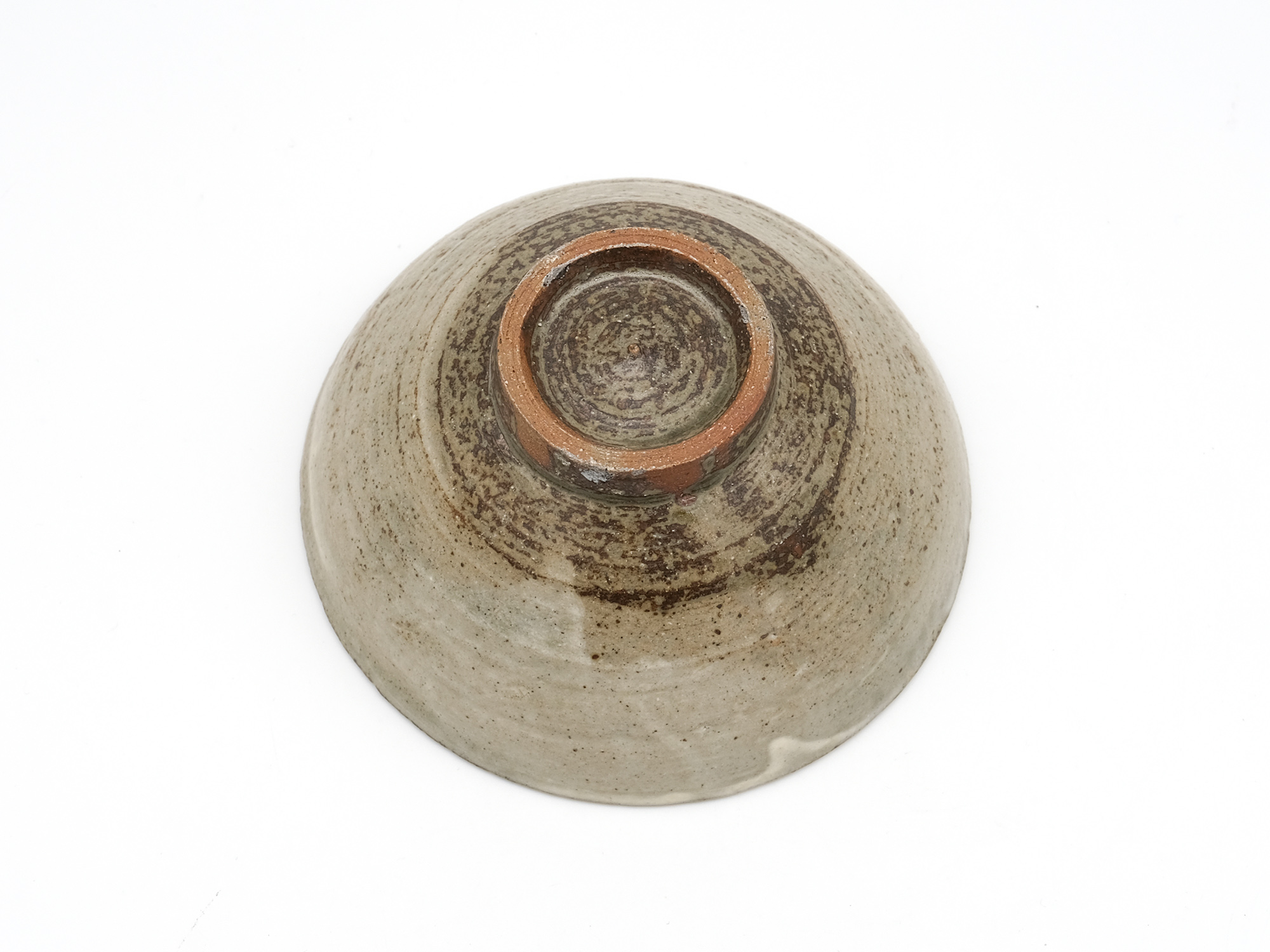
| Author name | Toshiaki Katou Katou Toshiaki |
| Work name | Straw ash glaze tea bowl |
| price | 50,000 yen (excluding tax) (55,000 yen including tax) |
| box | Comes with a paulownia wood box (to be delivered later) |
| size | Φ 14.5 × H 6.7 (㎝) |
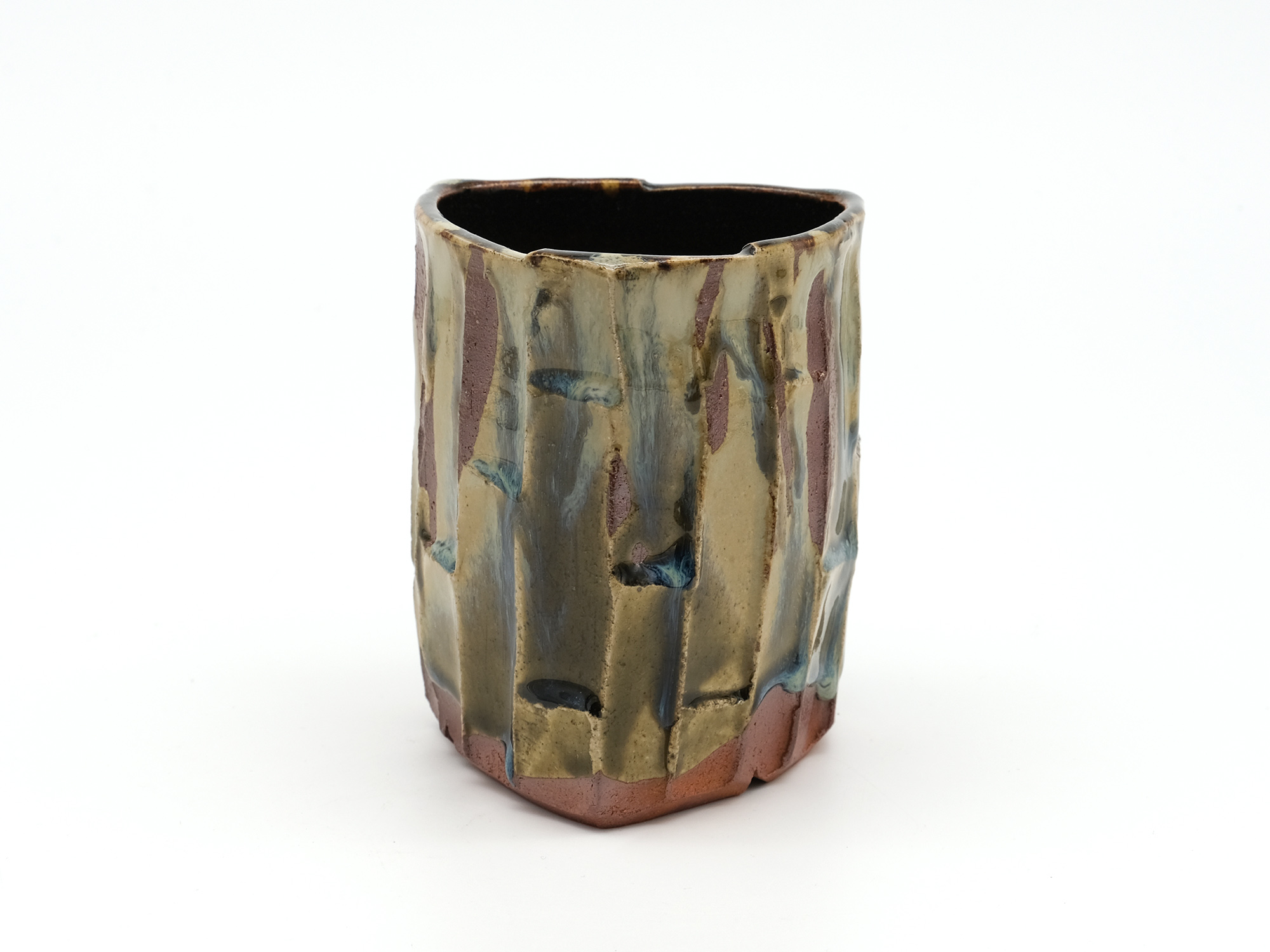


| Author name | Kagaku Yoshino Yoshino Kougaku |
| Work name | Sansai Hiiri |
| price | 22,000 yen (excluding tax) (24,200 yen including tax) |
| box | Comes with a paulownia wood box (to be delivered later) |
| size | W 9.5 × D 9.5 × H 11.7 (㎝) |

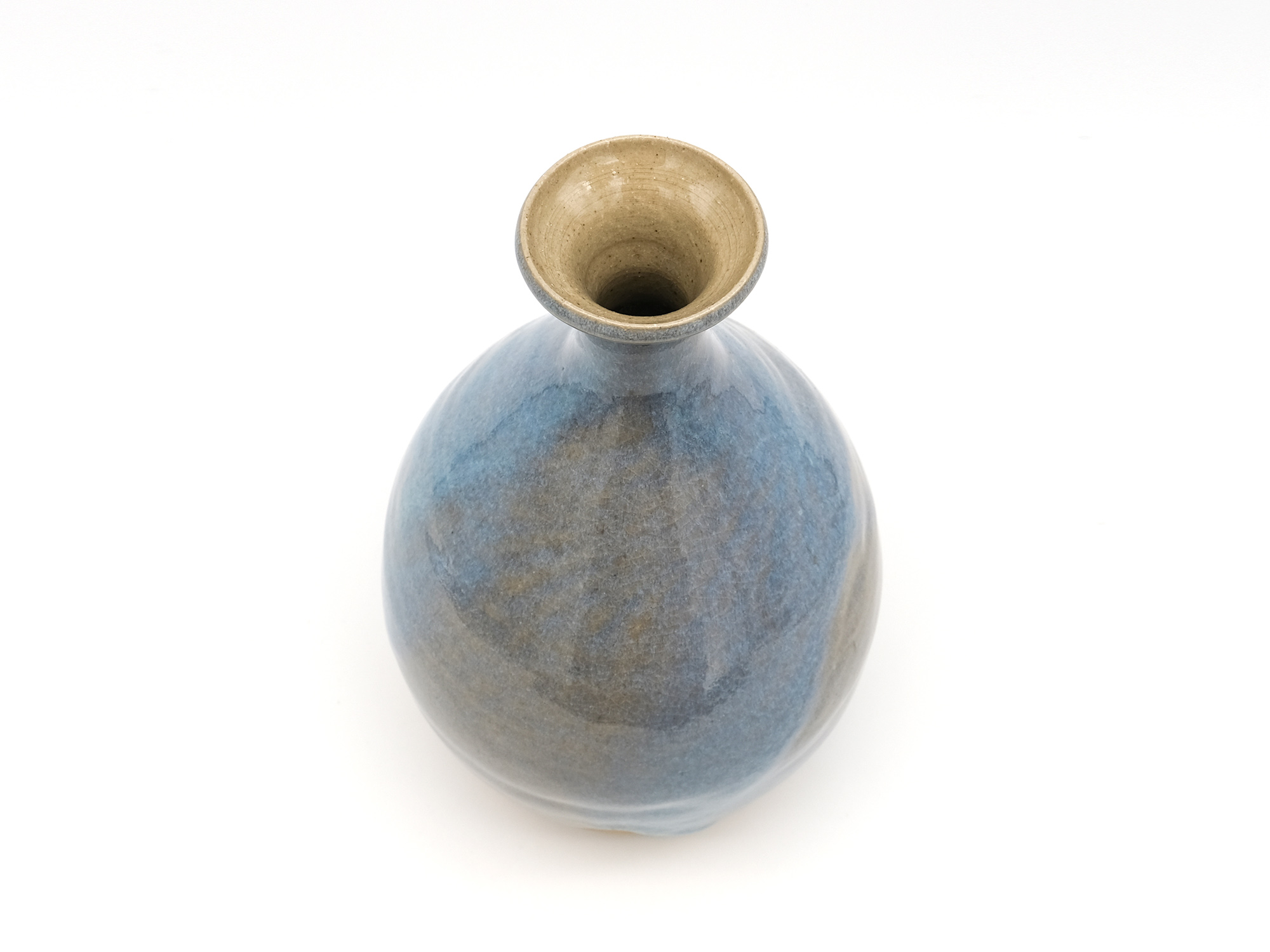
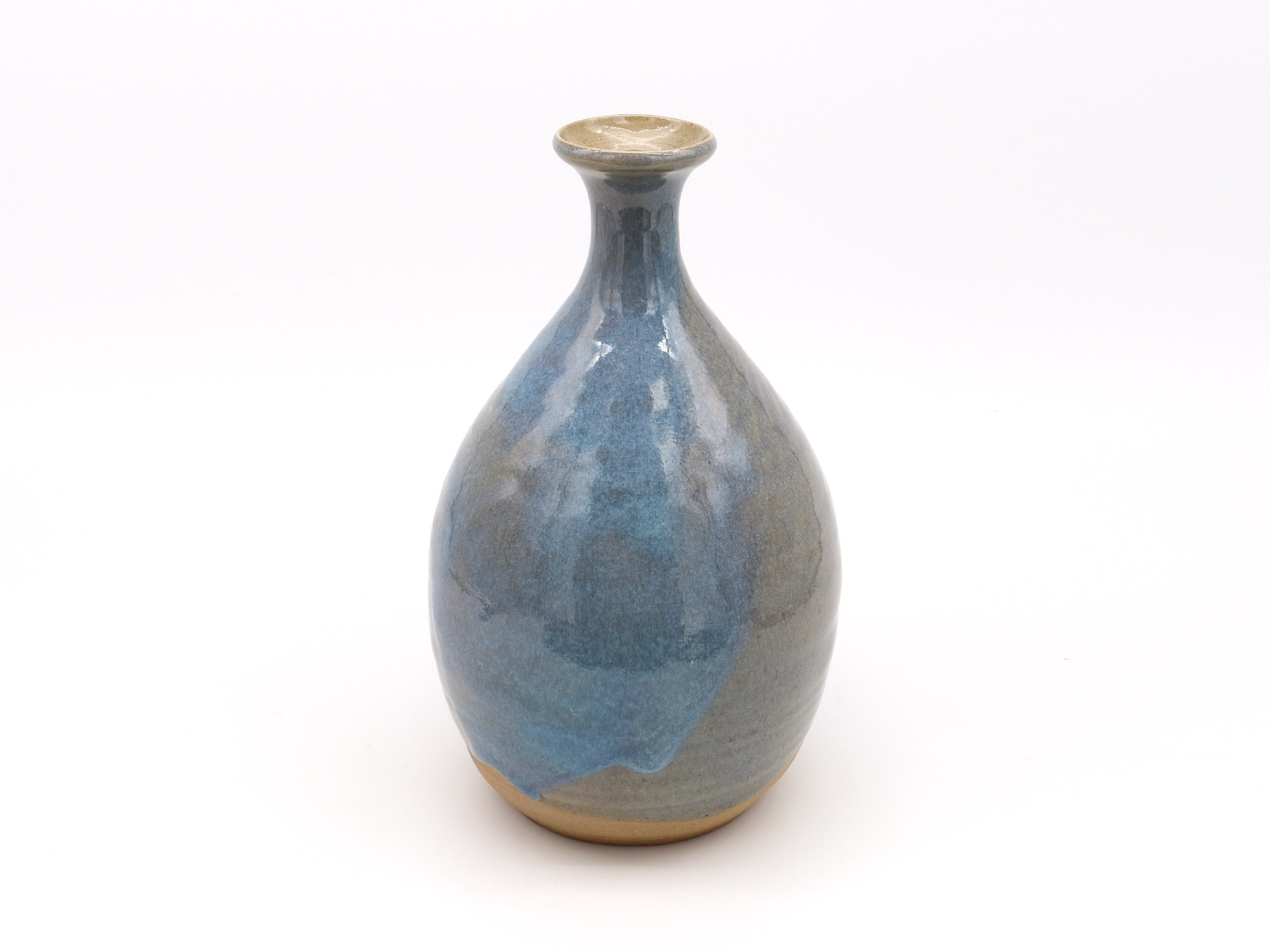
| Author name | Fumi Kitamura Kitamura Fumi |
| Work name | straw ash glaze vase |
| price | 80,000 yen (excluding tax) (88,000 yen including tax) |
| box | Comes with a paulownia wood box (to be delivered later) |
| size | Φ 15.8 × H 25.7 (㎝) |
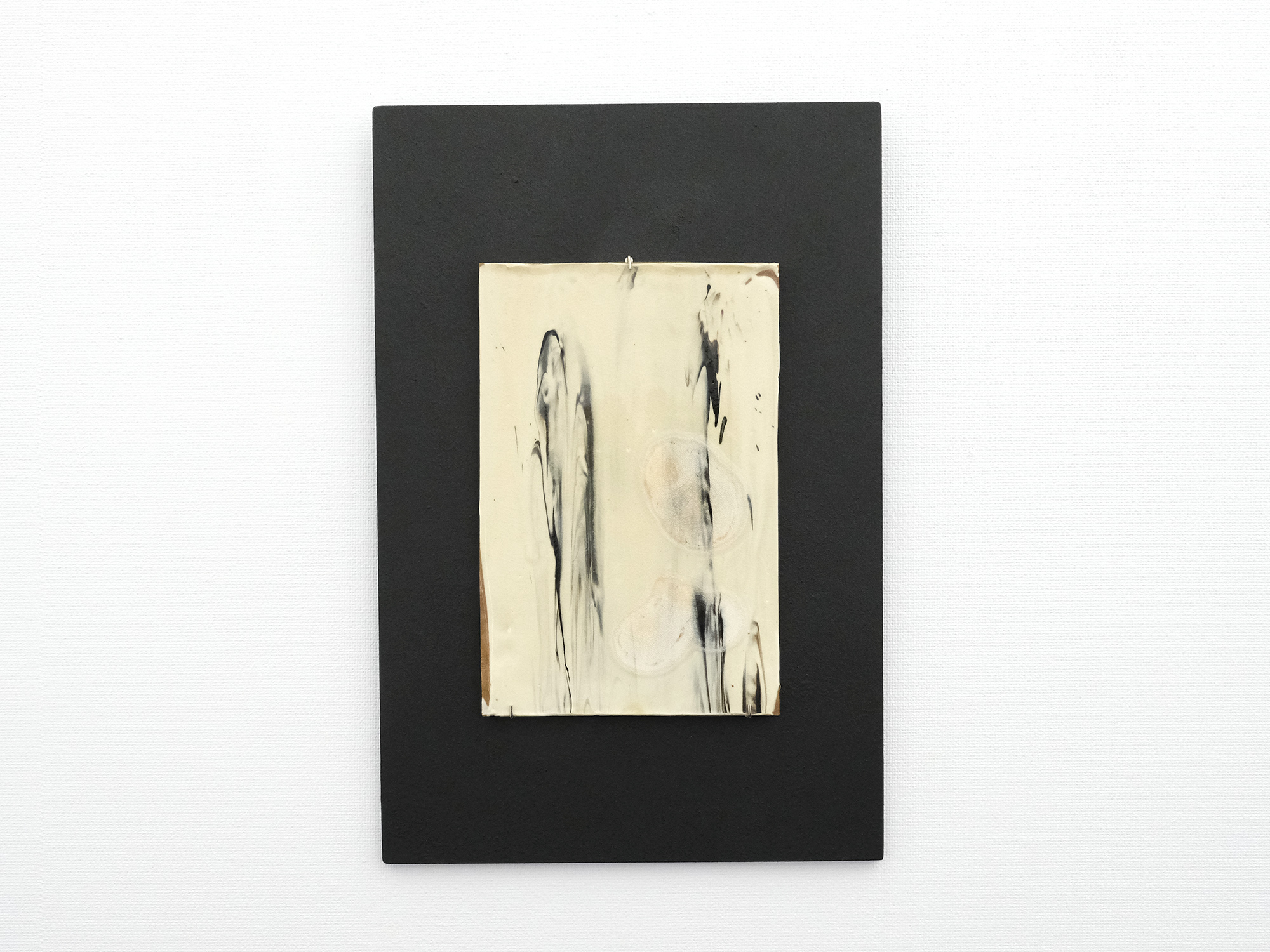
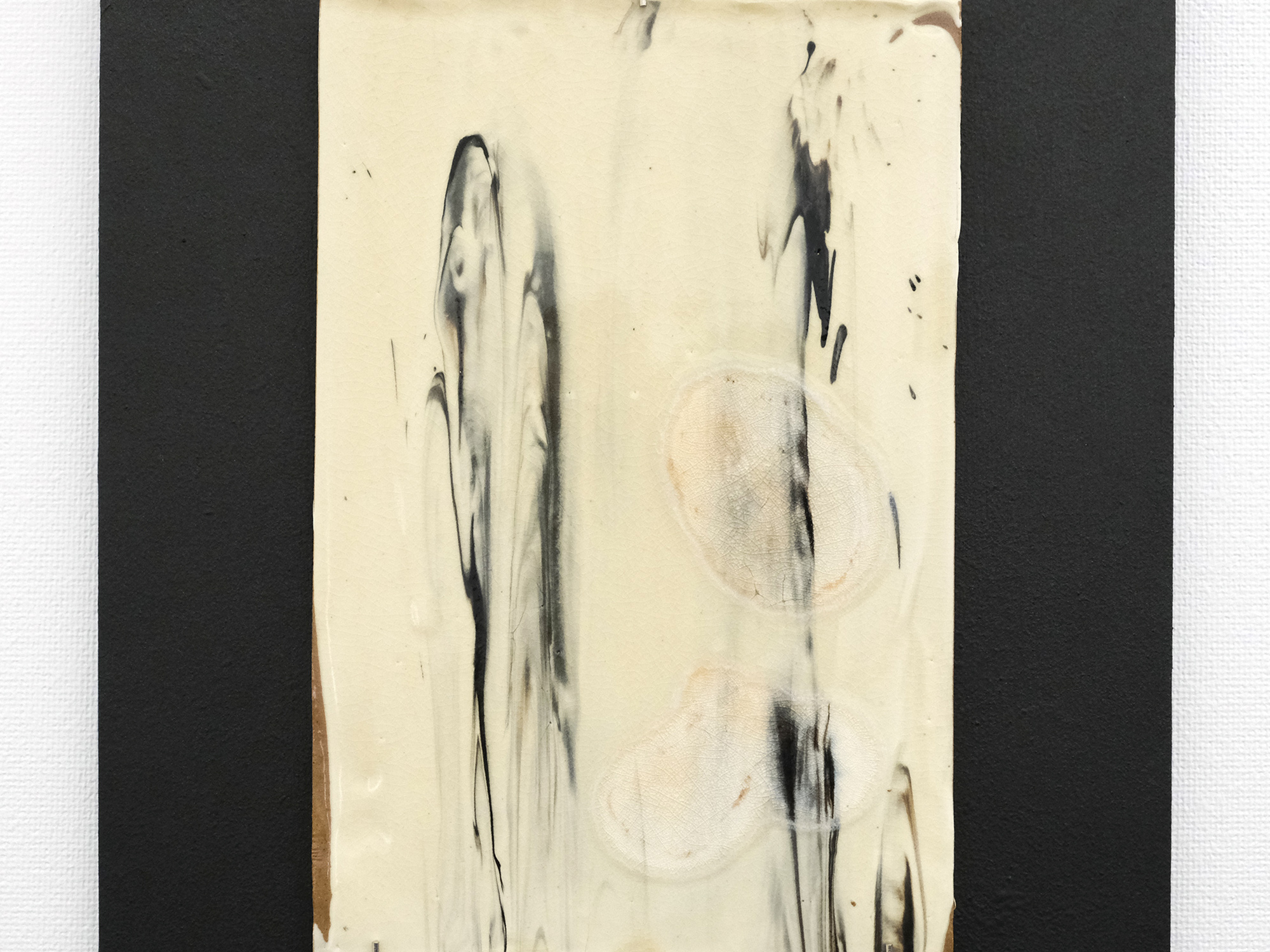
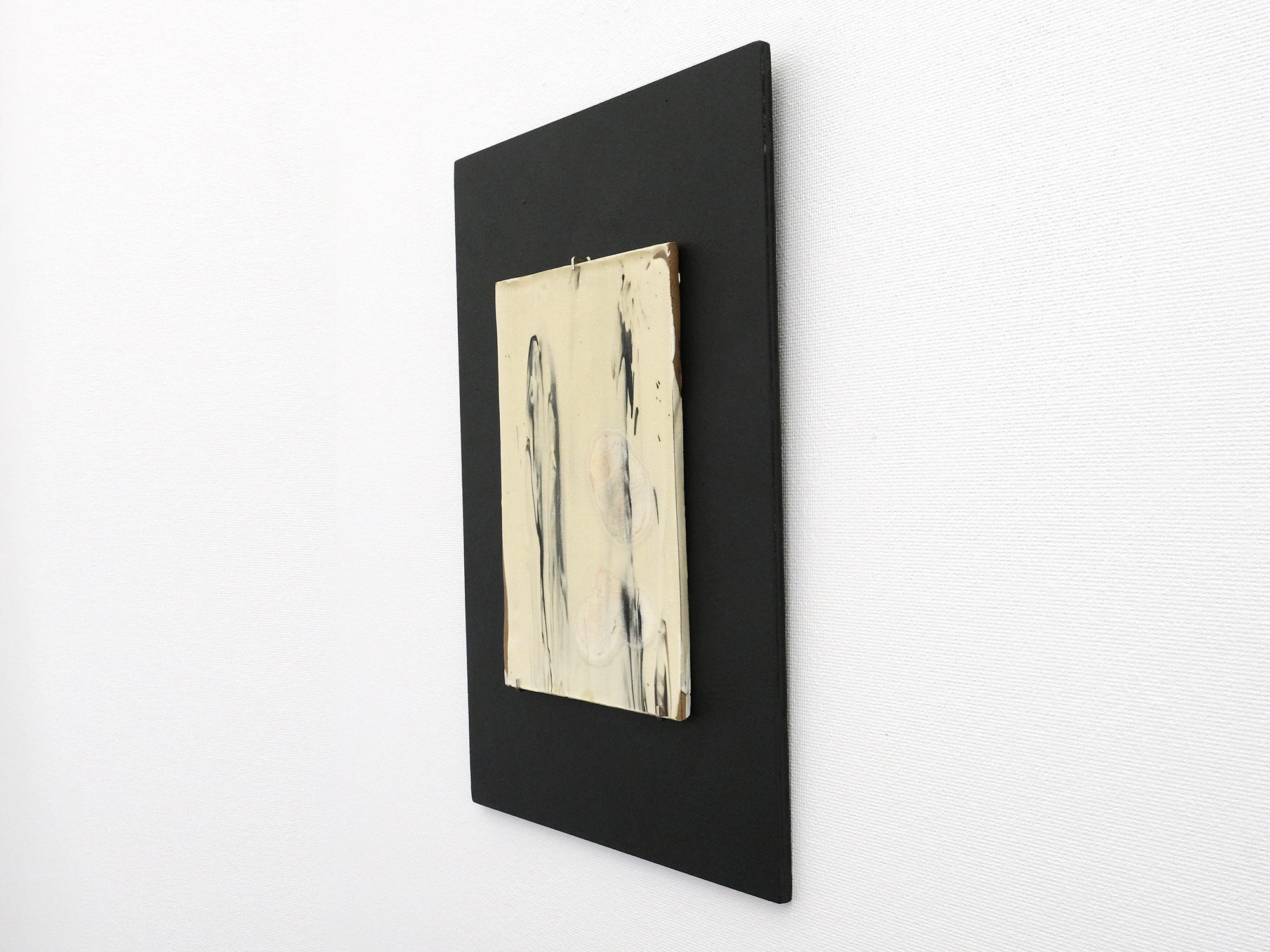
| Author name | Satoko Yamada Yamada Satoko |
| Work name | Water pattern ink marbling "Quiet" [Sold] |
| price | 15,000 yen (excluding tax) (16,500 yen including tax) |
| box | Comes with a cardboard box (to be delivered later) |
| size | W 30.0 × D 45.0 × H 2.0 (㎝) |

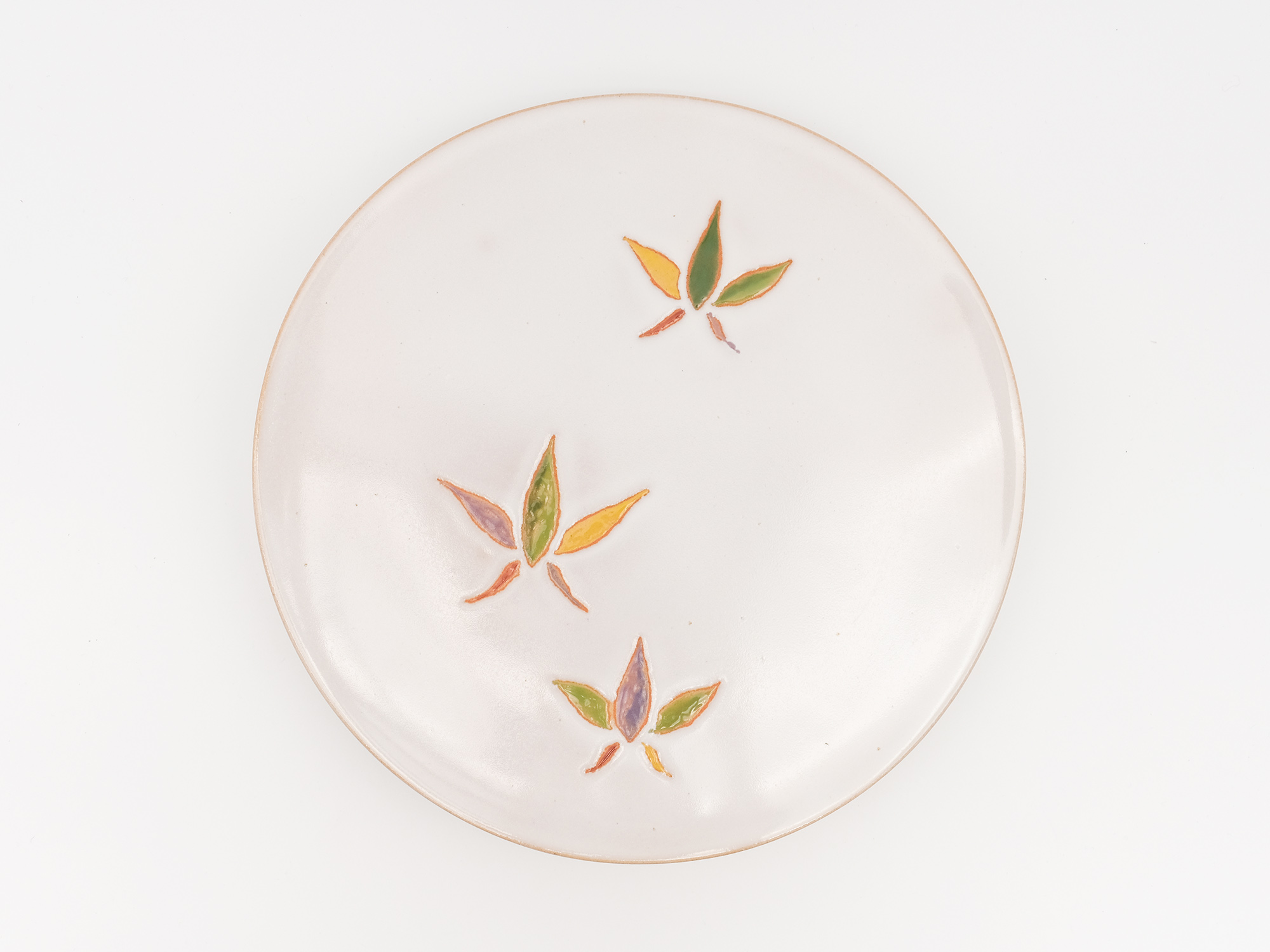
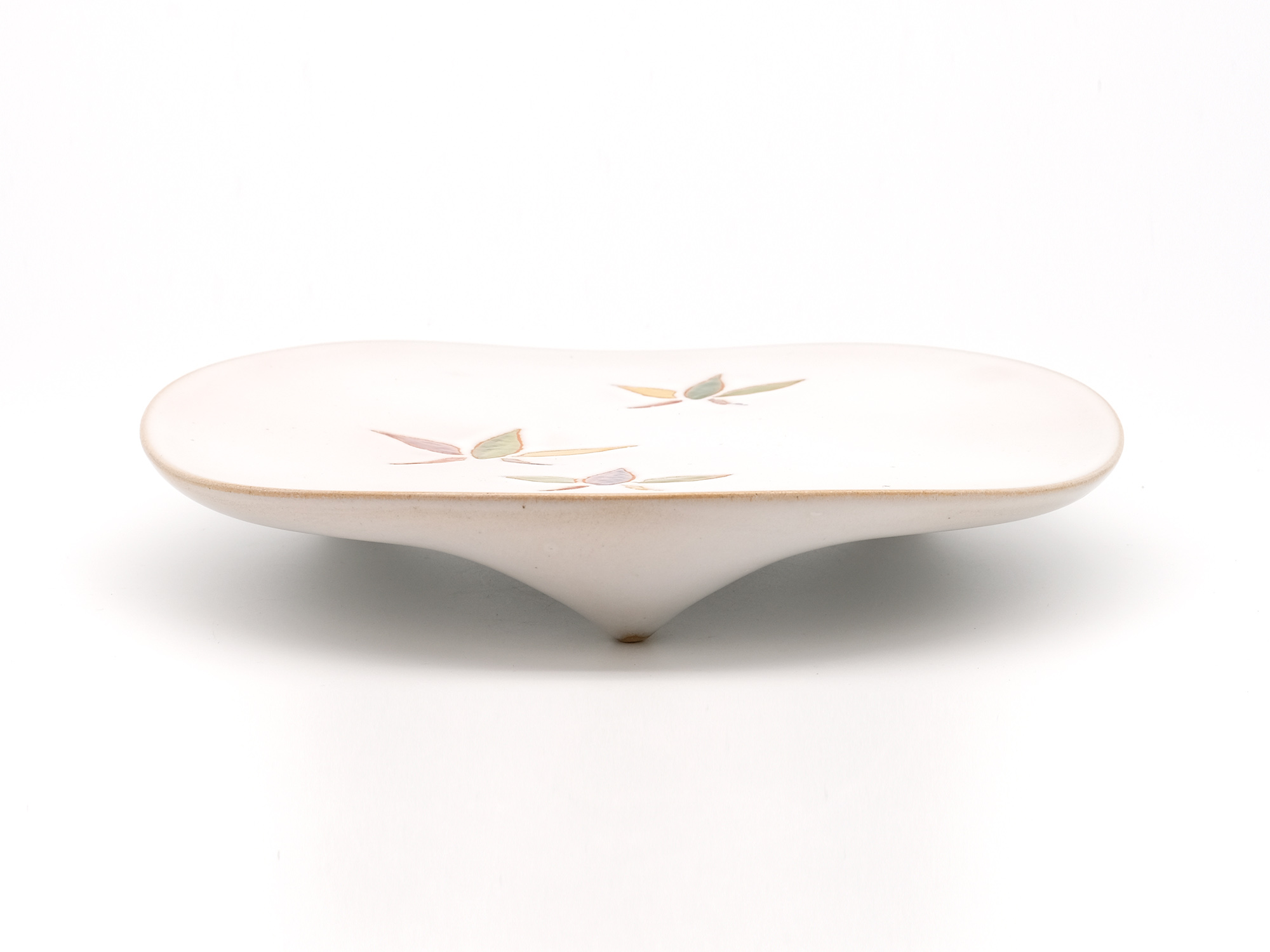
| Author name | Yukio Shakunaga Shakunaga Yukio |
| Work name | Bamboo leaf-colored serving bowl |
| box | Comes with a paulownia wood box (to be delivered later) |
| size | Φ 28.8 × H 5.4 (㎝) |
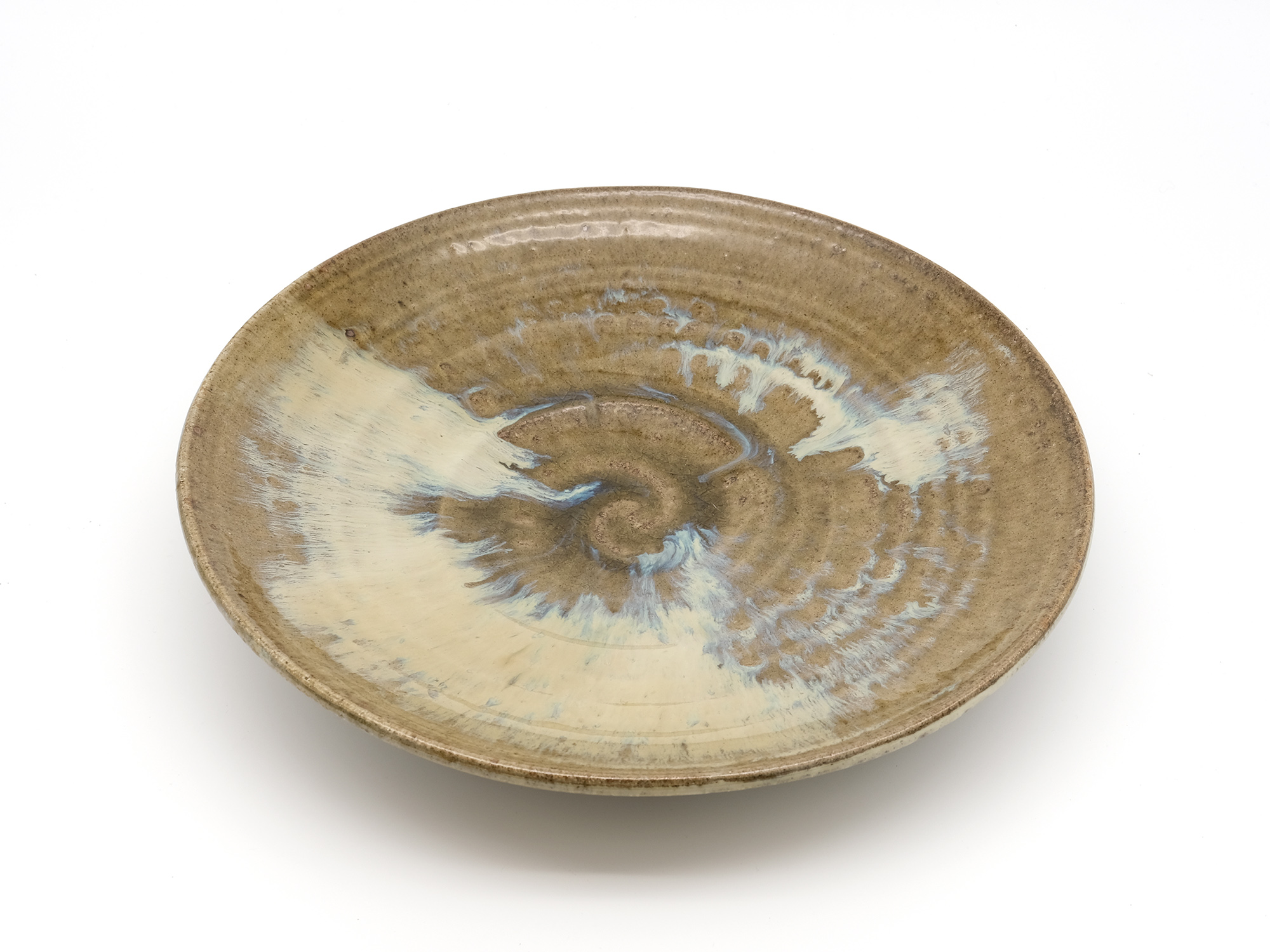
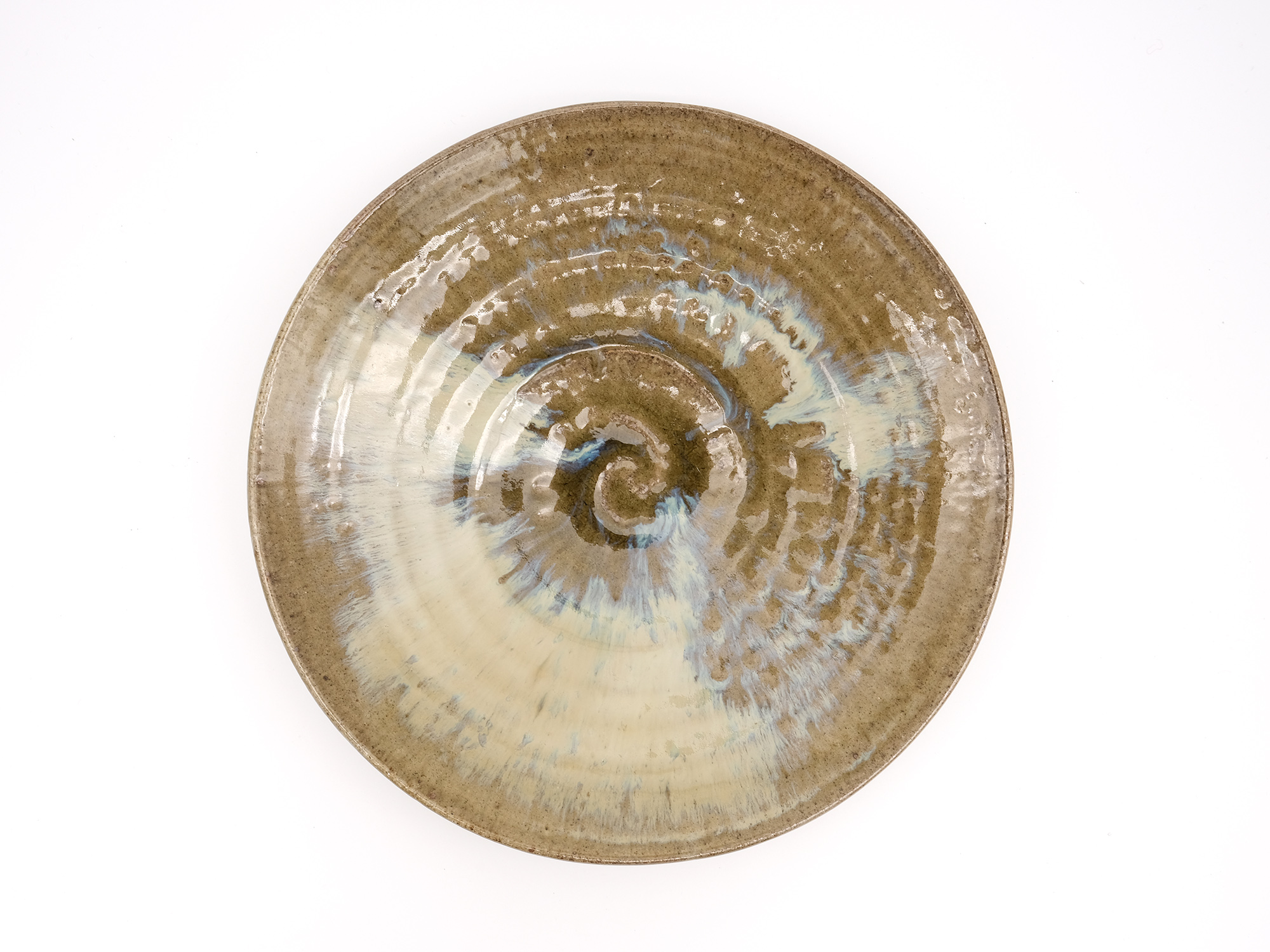
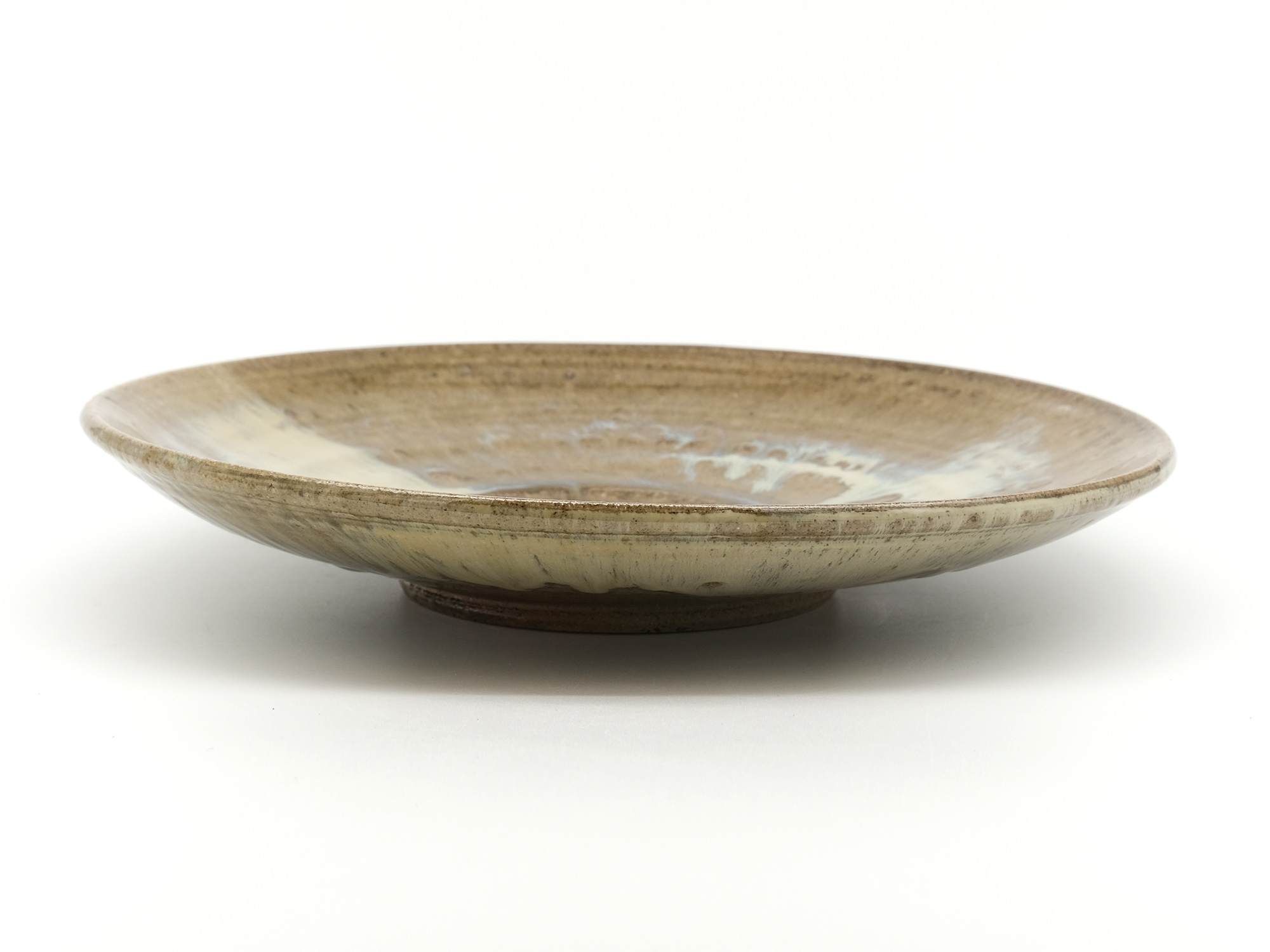
| Author name | Toshiaki Katou Katou Toshiaki |
| Work name | Straw-covered plate |
| price | 50,000 yen (excluding tax) (55,000 yen including tax) |
| box | Comes with a paulownia wood box (to be delivered later) |
| size | Φ 31.5 × H 5.7 (㎝) |
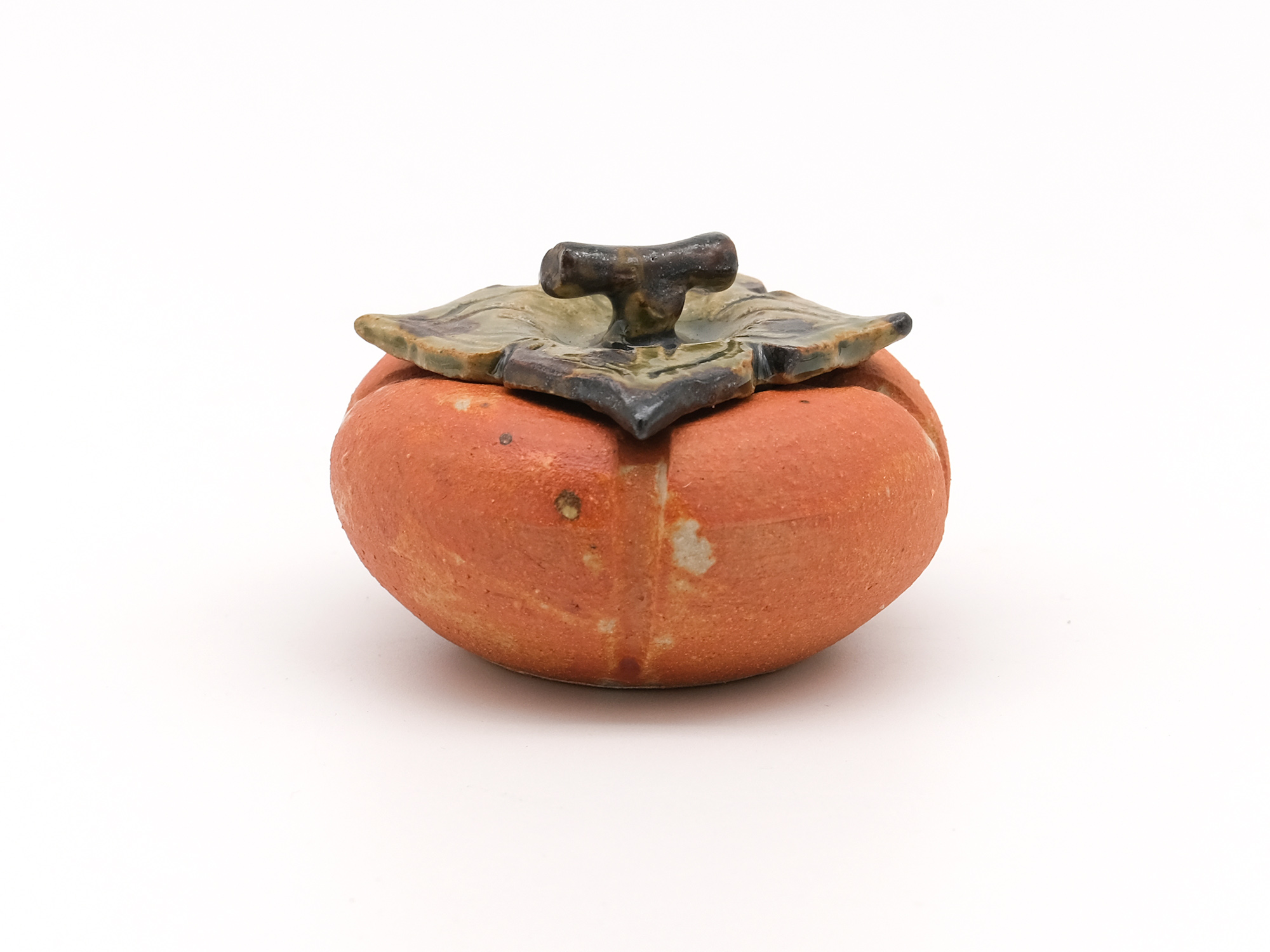
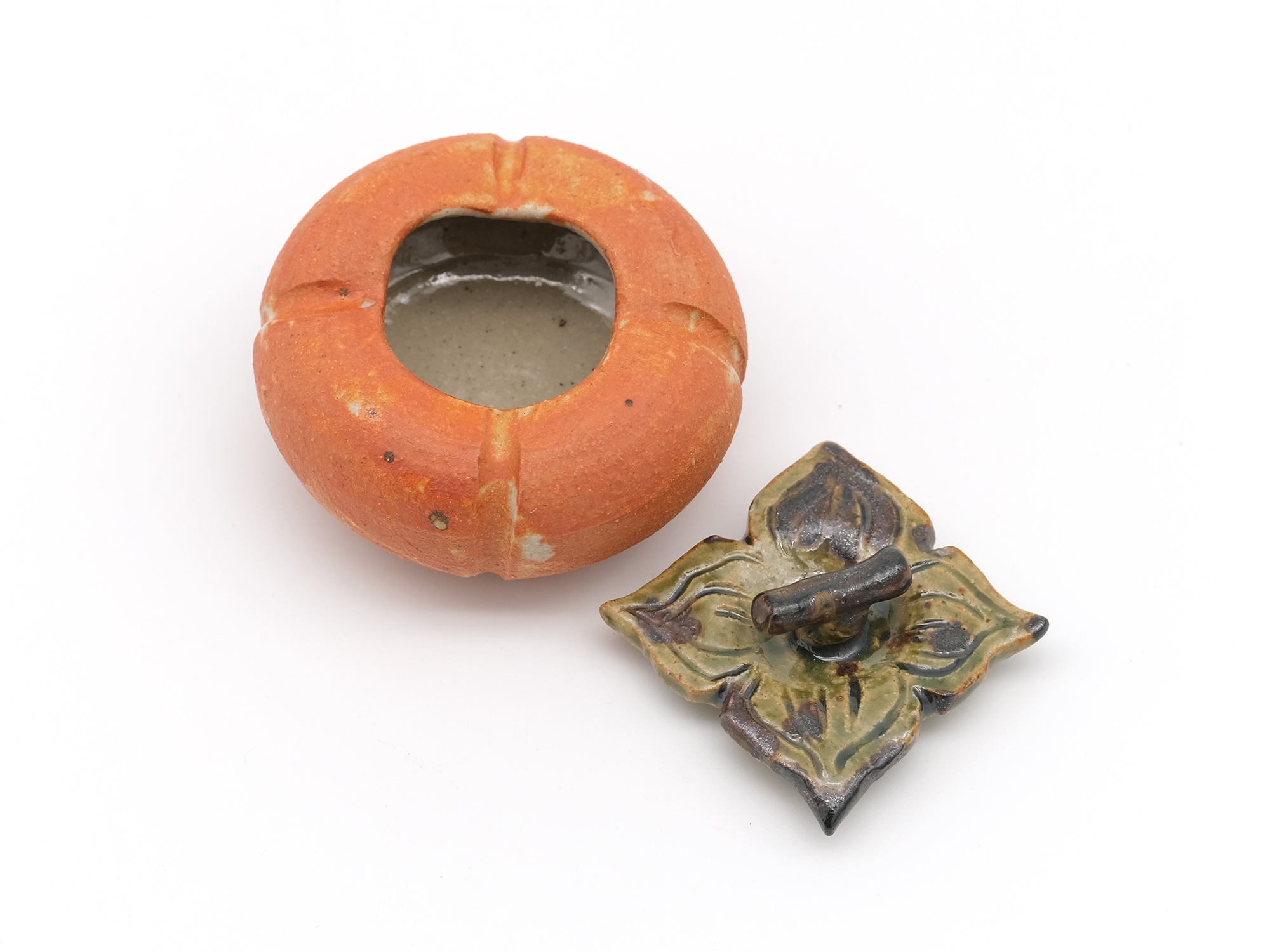
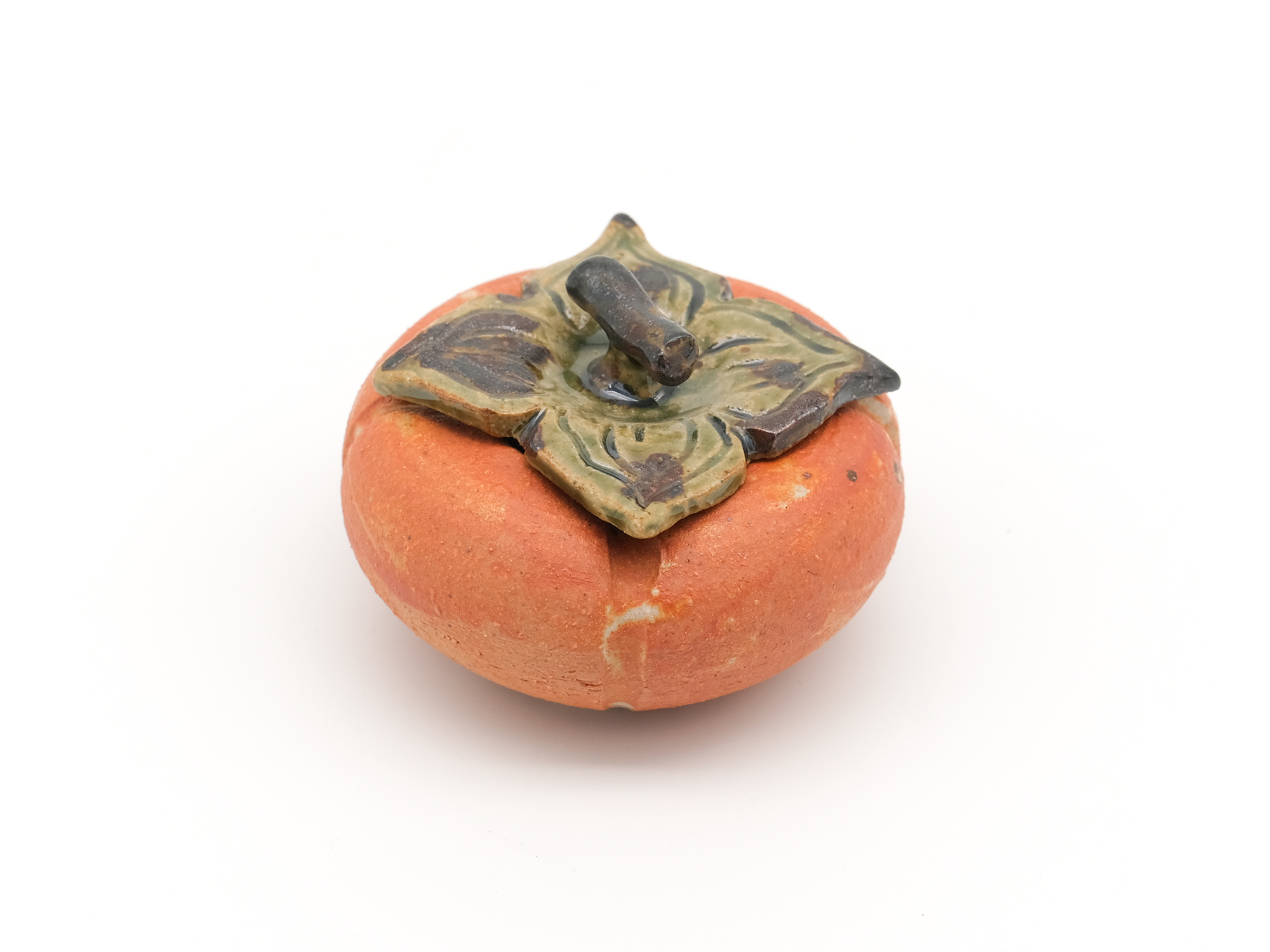
| Author name | Kagaku Yoshino Yoshino Kougaku |
| Work name | Persimmon Incense Box [Sold] |
| price | 25,000 yen (excluding tax) (27,500 yen including tax) |
| box | Comes with a paulownia wood box (to be delivered later) |
| size | Φ 6.5 × H 4.5 (㎝) |
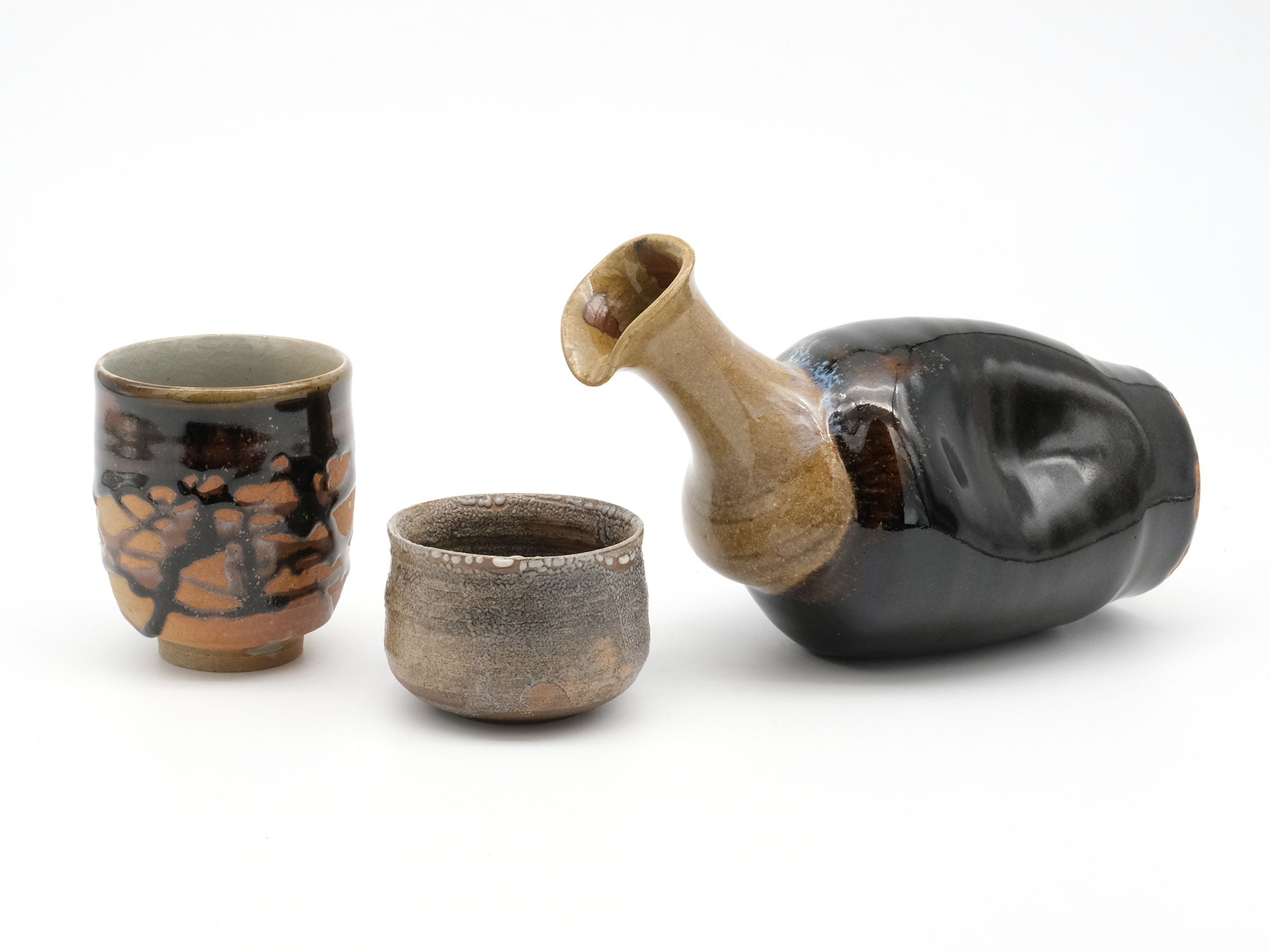
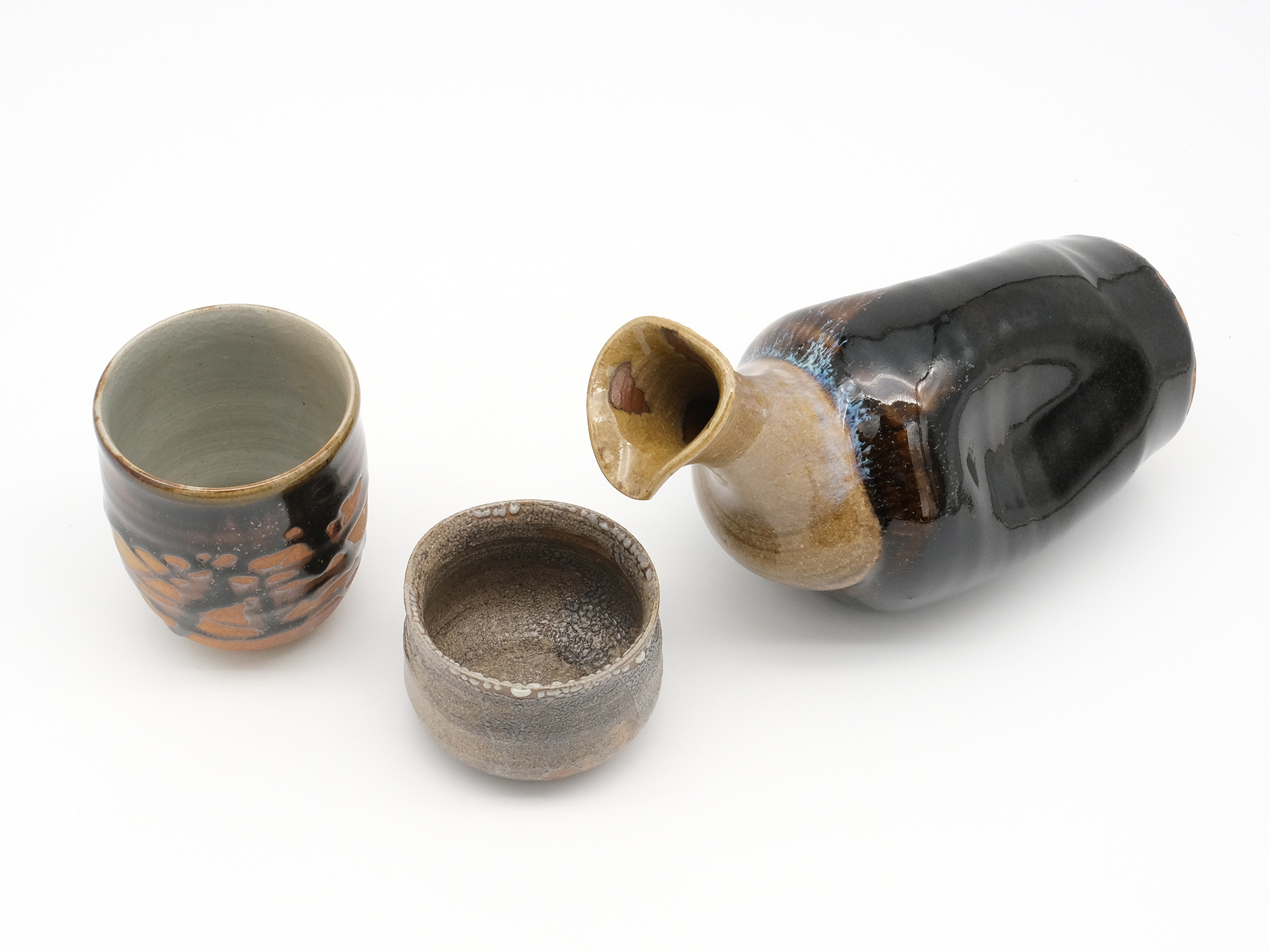
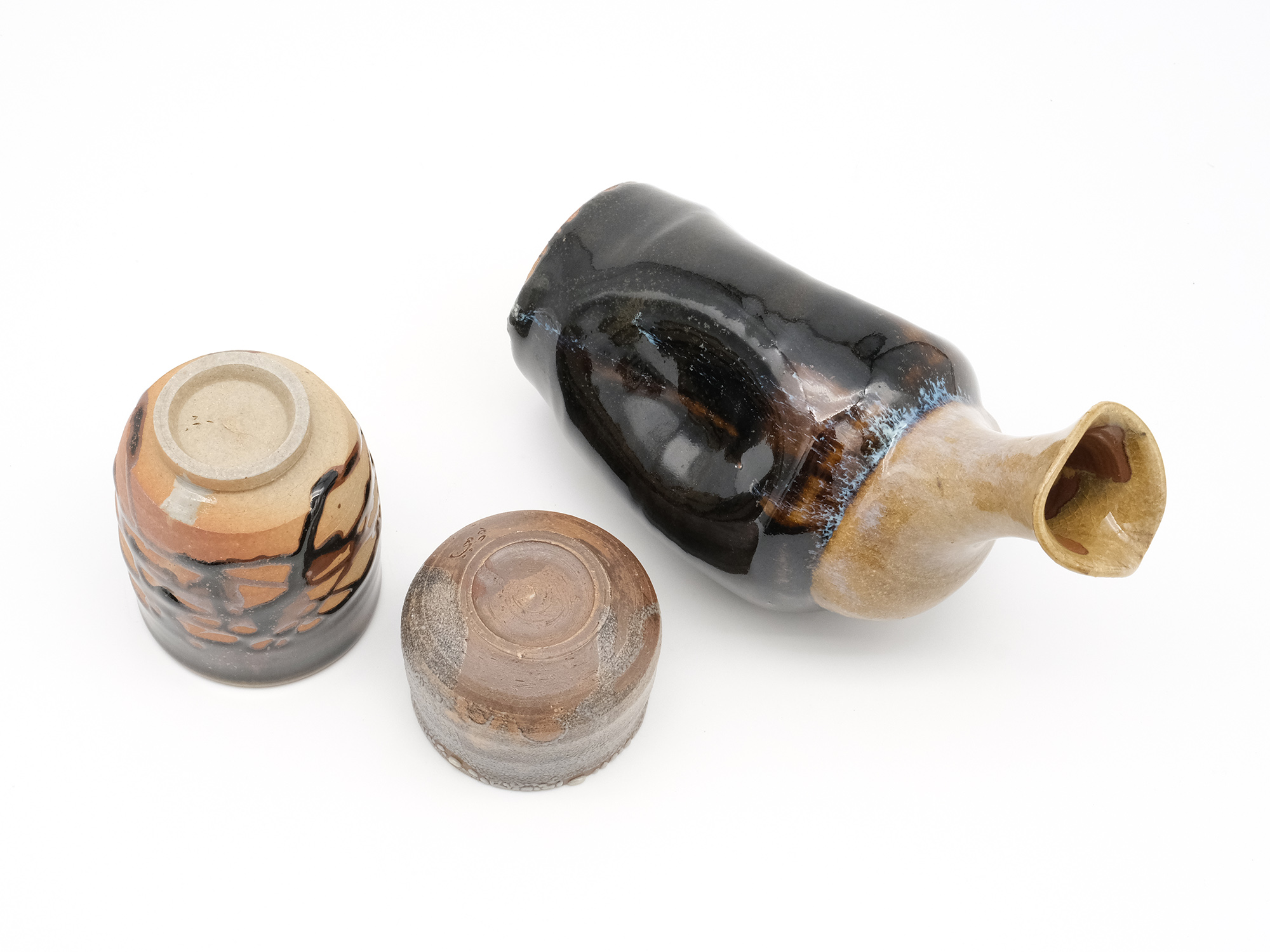
| Author name | Fumi Kitamura Kitamura Fumi |
| Work name | [From left to right] Mesh-covered teacup Shell ash glazed sake cup Kamo Tokkuri (duck sake bottle) |
| price | 3,500 yen (excluding tax) (3,850 yen including tax) 10,000 yen (excluding tax) (11,000 yen including tax) 15,000 yen (excluding tax) (16,500 yen including tax) |
| box | No box Comes with a paulownia wood box (to be delivered later) Comes with a cardboard box (to be delivered later) |
| size | Φ 7.0 × H 8.0 (㎝) Φ 6.8 × H 4.7 (㎝) W 17.8 × D 9.0 × H 11.4 (㎝) |
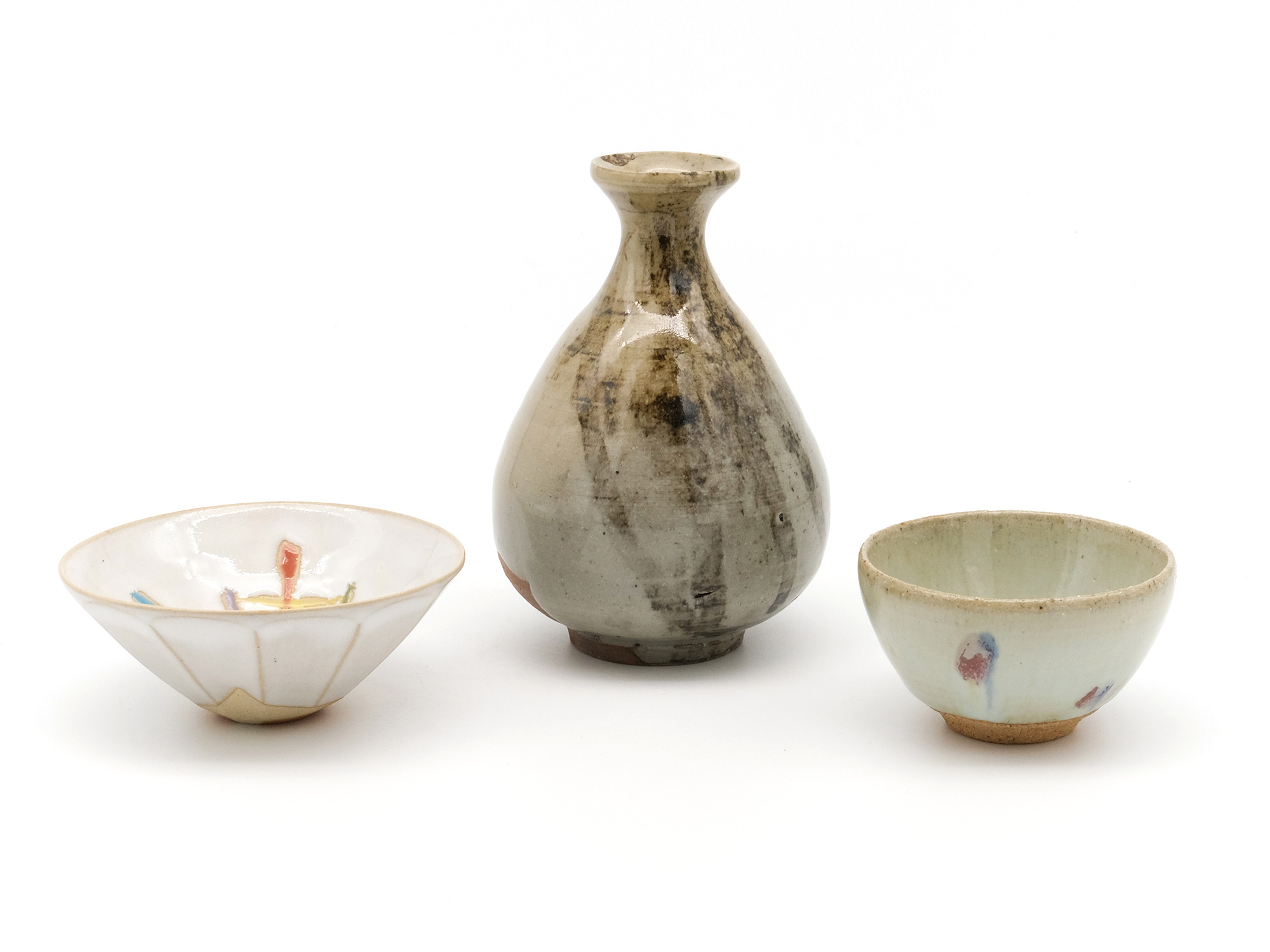
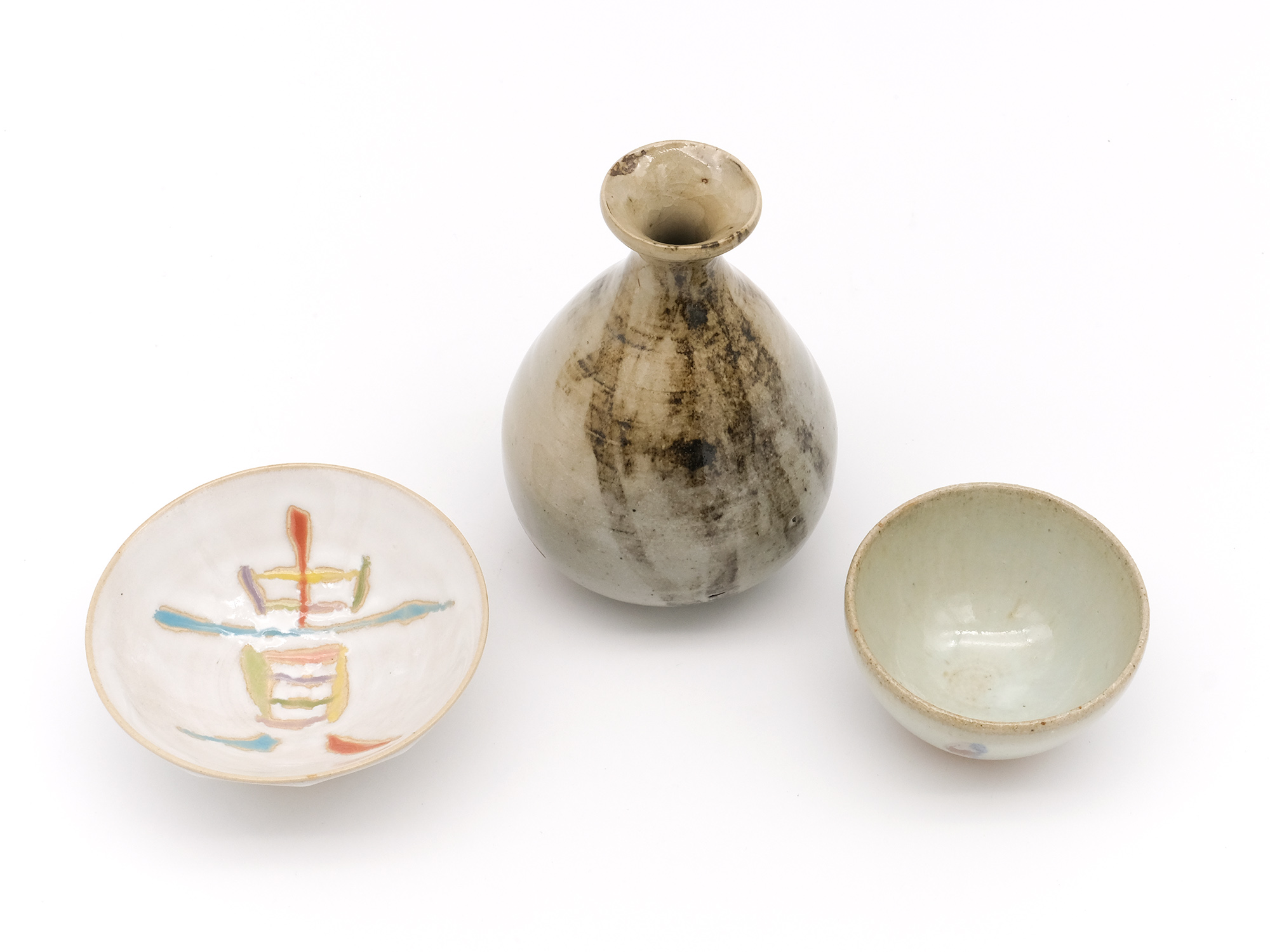
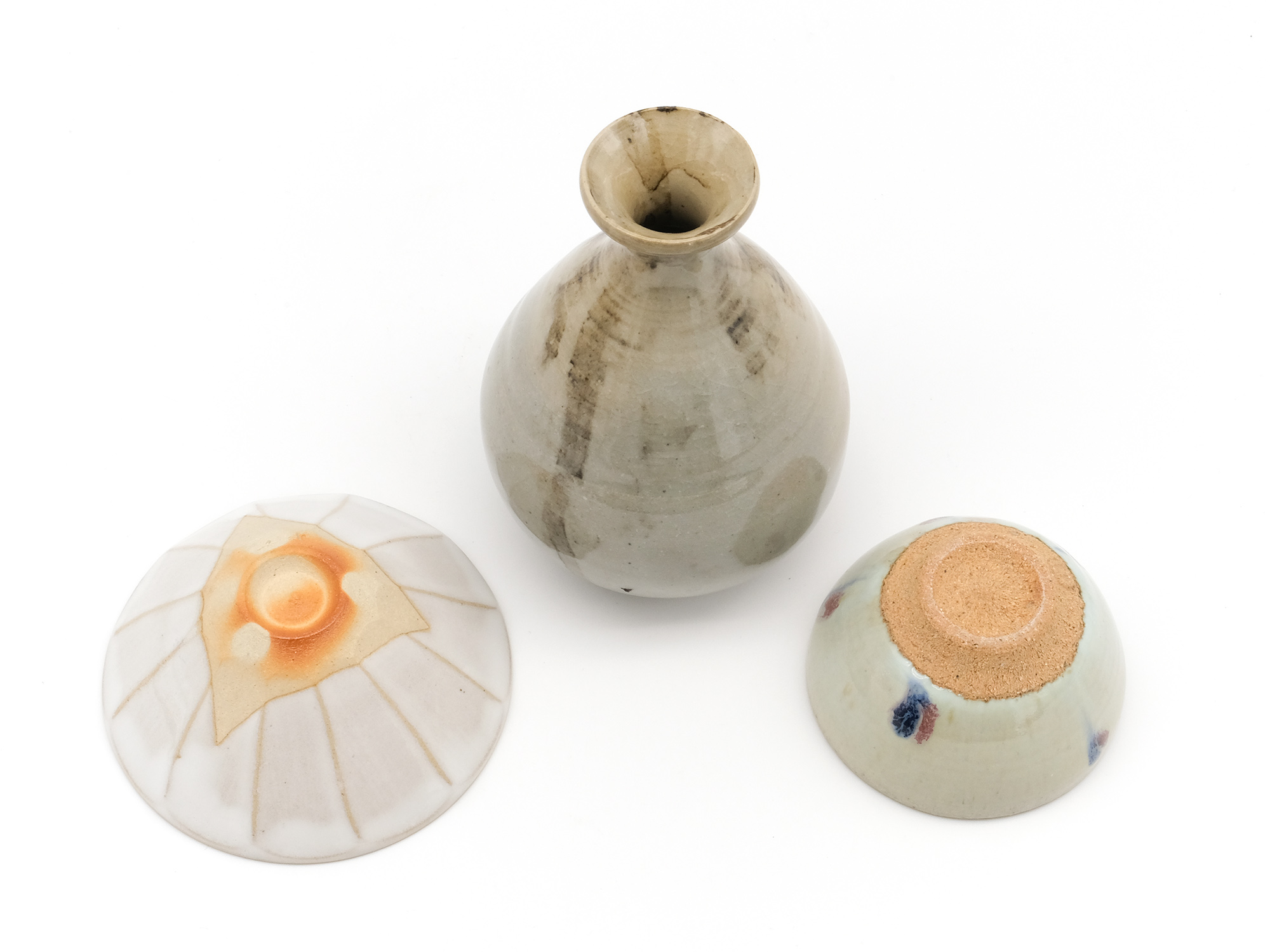
| Work name | [From left to right] Yukio Shakunaga / Glazed Saiki character cup Fumi Kitamura / Iron-glazed sake bottle Satoko Yamada / Two-colored dotted sake cup [Sold] |
| price | Center: 8,000 yen (excluding tax) (8,800 yen including tax) Rightmost item: 6,000 yen (excluding tax) (6,600 yen including tax) |
| box | Comes with a paulownia wood box (to be delivered later) Comes with a cardboard box (to be delivered later) No box |
| size | Φ 9.5 × H 3.8 (㎝) Φ 8.4 × H 12.1 (㎝) Φ 7.2 × H 4.2 (㎝) |
Regarding sales methods
- ・
- DMWe accept advance reservations for the works displayed on this website before the exhibition begins. We will contact you approximately 20 days before the first day of the exhibition.DMWe ship the items and upload information to this website at almost the same time.
- ・
- For those who are unable to visit our gallery in person, we are happy to accept orders by phone or email.
- ・
- We look forward to receiving your inquiries.