TANBA - A Tea Ceremony Pottery Exhibition by 10 Artists II -

| Exhibition period Schedule |
June 5, 2018 (Tue) – June 11 (Mon) June 5 - June 11, 2018 |
| Gallery opening hours Opening Hours | Open from 11:00 AM to 7:00 PM (until 5:00 PM on the final day, the 11th). Open every day during the exhibition period. |
| Exhibiting artist Artist | Shinsui Ichino , Masahiko Ichino , Masahiko Imanishi , Iyo Oogami , Masafumi Oonishi , Katsumi Kako , Ichiji Shimizu , Takeshi Shimizu , Nobuhito Nakaoka , Peter Harmon (in alphabetical order) |
| Introduction Introduction |
A message regarding "TANBA - A Tea Ceremony Pottery Exhibition by 10 Artists II"
Tamba ware is one of Japan's representative ancient kilns, originating in the late Heian period. For 800 years, we have continued to produce pottery without interruption. In the Middle Ages, unglazed stoneware with a bright green natural glaze was produced, while in the early modern period, pottery was made using a variety of decorative techniques and glazes. Last year, the Six Ancient Kilns (Seto, Tokoname, Shigaraki, Bizen, and Echizen), including Tanba, were designated as Japanese Cultural Heritage sites. The reason is that these six ancient kilns (high-fired stoneware) represent the most quintessentially Japanese pottery.
Medieval Tamba ware was technically influenced by Tokoname and Shigaraki ware, but because the clay and kilns were different, Tamba's unique glossy, vibrant green pottery was born. In other words, Tamba ware can be defined as pottery that embodies the climate, culture, and regional characteristics of Tamba. When the natural beauty of Tanba and the artist's inner nature (sensibility) resonate with each other and form a single entity, the unique character of Tanba is born. Such endogenous development is essential for the creation of pottery. However, this logic does not apply to all Tamba ware artists.
Shinsui Ichino is a leading figure in Tamba ware tea ceremony ceramics. He has long created sculptural works such as "broken flower vase." This piece is attractive not only for its form but also for the firing process, including its crimson color and charring.
Masahiko Ichino 's "Tanba Akadobe Benten-hi" is a work that focuses on the clay of Benten in Tanba. The reddish surface of the clay, which is characteristic of Akadobe, has impurities resembling black sesame seeds that have surfaced, creating a natural pattern of red and black.
Masahiko Imanishi 's "Black Tamba Tea Bowl" is made by creating a base using mountain clay, then applying a black clay coating, and firing it in a climbing kiln. It is a black Tamba tea bowl born from Tamba clay and a climbing kiln.
Iyo Oogami 's "Karajishi Tea Bowl" is a work that skillfully blends the sculptural and decorative aspects of his style with the functionality of a tea bowl. The four legs that replace the footring are very realistic.
Masafumi Oonishi 's "Tamba Flower Vase" expresses the vibrant strength of Tamba clay, while he reflects on the thoughts and feelings of potters of the past as they touched the clay and continued firing their kilns.
Katsumi Kako 's "Tamba Tea Bowl" is an ash-glazed tea bowl made from Tamba and Shigaraki clay. The ash glaze is quite different on the front and back. Even within its refined form, one can feel Kako's accumulated experience over the years.
Ichiji Shimizu 's "White Glazed Bowl" is crafted using a rough-textured clay rather than the typical Tamba clay, and is shaped into a octagon by hand-molding and trimming. The bold pattern of black and white glaze is captivating.
Takeshi Shimizu is a noteworthy artist who won awards at this year's Contemporary Tea Ceremony Ceramics Exhibition and the Mino Tea Bowl Exhibition. This "Salt Kiln Water Jar" is a work that reflects on the Edo period in Tanba, when glazed ceramics flourished, and has been transformed into his own creation.
Nobuhito Nakaoka 's black-glazed "flower vase" is a bold design, resembling a larger version of a traditional Japanese dish called a "wari-sansho" (split sansho pepper). I'm very curious to see what kind of expression it will show when flowers are actually placed in it.
Peter Hamann 's "Celadon Water Jar with Insect-Eaten Leaves" is a refreshing water jar made of celadon porcelain. The "insect-eaten leaves" pattern carved on three sides of the body expresses his unique take on wabi (a Japanese aesthetic of simplicity and transience) and has a playful touch.
Take this opportunity to enjoy the diverse and unique aspects of Tanba today. Kouichi Mori (Art critic, Standing Director of the Japan Ceramic Society) |
| Biography Biography | □ Shinsui Ichino Ichino Shinsui Born in 1957 in Tachikui, Tanba, Hyogo Prefecture, as the eldest son of the first Nobumizu. 1989: First time selected for the Japan Traditional Crafts Exhibition. In 2002, he succeeded to the name " Shinsui Ichino II" and held solo exhibitions throughout Japan. Currently a full member of the Japan Crafts Association. □ Masahiko Ichino Ichino Masahiko Born in 1961 in Sasayama City, Hyogo Prefecture. 1999: "100 Selections of Japanese Crafts Today" Exhibition (Mitsukoshi Etoile, Paris, France, etc.) 2006 Japan Ceramic Society Award 2010: Contemporary Tea - Freedom of Form (Kikuchi Kanbi Memorial Chishin Museum, Tokyo) Perspectives on Contemporary Crafts: Focusing on the Tea Ceremony (The National Museum of Modern Art, Tokyo, Crafts Gallery) 2011 Hyogo Prefecture Cultural Award Masahiko Ichino , 2015 - A Journey in Tamba (Hyogo Prefectural Museum of Ceramic Art) 2016 Utsuro no Katachi – Masahiko Ichino Ceramic Exhibition UTUWA (Paramita Museum, Mie) Following the Earth's Desires – Masahiko Ichino Exhibition (LIXIL Gallery, Tokyo) Modern Crafts and the Tea Ceremony II (The National Museum of Modern Art, Tokyo, Crafts Gallery) □ Masahiko Imanishi Imanishi Masahiko Born in 1971 in Tamba-Tachikui, Hyogo Prefecture. 1995: Graduated from Kyoto Municipal Industrial Research Institute. Became an apprentice at the home of Akira Okamoto in Kyoto. In 2000, I returned to Tanba and began making pottery. I completed the Kyoto City Enterprise Technical Training Program. Built a kiln in Sanda City in 2001. 2010: Moved to Kui, Sasayama City. Selected for the Contemporary Tea Ceremony Ceramics Exhibition (Toki City, Gifu Prefecture, 2012) □ Iyo Oogami Oogami Iyo Born in 1987 in Tamba-Tachikui, Hyogo Prefecture. Graduated from Kyoto City University of Arts, Ceramics Department in 2010. Studied under ceramic artist Morimi Saeki (Tochigi Prefecture) In 2011, I began making pottery at the Okuma Kiln in Tamba. 2015: Selected for the Kobe Biennale 2015 Contemporary Ceramics Competition. 2016: Ongoing - Women's Ceramics II (Ibaraki Prefectural Museum of Ceramics) □ Masafumi Oonishi Oonishi Masafumi Born in 1980 as the eldest son of the fourth generation of the Tanbun Kiln. Graduated from Osaka College of Arts, Department of Design and Fine Arts, Crafts Major in 2000. Studied under Hiroshige Kato (Kasentoen) in Seto City, Aichi Prefecture. In 2004, I began making pottery at Tachikui Tanbun Kiln. 2005: First solo exhibition at Kakogawa Department Store Numerous other solo and group exhibitions. □ Katsumi Kako Kako Katsumi Born in Kyoto City in 1965. 1986: Graduated from Saga Junior College of Art, Department of Ceramics. In 1991, I began making pottery in Nishiwaki City, Hyogo Prefecture. 1994 Kyoto Craft Biennale: Excellence Award 2004: Tabe Museum of Art Grand Prize, Excellence Award at the Tea Ceremony Art Exhibition (Shimane Prefecture) In 2005, began pottery making in Kamishinomi, Sasayama City, Hyogo Prefecture. 2009: Selected for the Kikuchi Biennale III (Chōji Museum of Art) 2010: Encouragement Award at the Contemporary Tea Ceremony Ceramics Exhibition (Toki City, Gifu Prefecture) 2011: Tabe Museum of Art Grand Prize, Encouragement Award at the Tea Ceremony Art Exhibition (Shimane Prefecture) □ Ichiji Shimizu Shimizu Ichiji Born in 1961 in Tamba-Tachikui, Hyogo Prefecture. 1984: Studied in Tanba, Seto, and Bizen. 2000: TOKI Oribe Silver Prize at the Contemporary Tea Ceremony Ceramics Exhibition (Toki City, Gifu Prefecture) 2007: Runner-up Prize, Contemporary Ceramics Hagi Grand Prize Exhibition 2009 Japan Ceramics Exhibition, Ibaraki Prefectural Museum of Ceramics Award 2014: Contemporary Ceramics Hagi Grand Prize Exhibition III - Excellence Award, Toubi Exhibition - Encouragement Award 2017 Hyogo Craft Exhibition, Kobe Shimbun Grand Prize Currently, I am a full member of the Japan Crafts Association, a board member of the Japan Ceramic Art Association, and a director of the Hyogo Prefecture Crafts Artists Association. □ Takeshi Shimizu Shimizu Takeshi Born in 1975 in Tamba-Tachikui, Hyogo Prefecture. Graduated from Kyoto City University of Arts, Department of Crafts in 1999, and studied under ceramic artists Masayuki and Masamasa Imai. 2009: Kobe Biennale 2009 Contemporary Ceramics Exhibition, Encouragement Award (same award in 2011) In 2015, I gave lectures and workshops in Canada as part of a program sponsored by the Ministry of Foreign Affairs. 2017 Hyogo Prefecture Arts Encouragement Award 2018 Contemporary Tea Ceremony Ceramics Exhibition, Excellence Award (Toki City, Gifu Prefecture) Mino Tea Bowl Exhibition Gold Prize (Tajimi City, Gifu Prefecture) □ Nobuhito Nakaoka Nakaoka Nobuhito Born in Osaka in 1977. In 1996, after graduating from high school, he apprenticed under Tadashi Nishibata, a Tamba ware artist. 2001: Completed training in the Ceramics Department at the Kyoto City Industrial Research Institute. Established in 2006 in Kui, Sasayama City. 2013: Tabe Museum of Art Grand Prize, Tea Ceremony Art Exhibition, Excellence Award (Shimane Prefecture) Kobe Biennale 2013 Contemporary Ceramics Competition - Runner-up Contemporary Ceramics: Hagi Grand Prize Exhibition III - Honorable Mention 2017: Selected for the Contemporary Tea Ceremony Ceramics Exhibition (Toki City, Gifu Prefecture) □ Peter Hamann Peter Hamann Born in 1956 in Nebraska, USA. 1978: Graduated from Graceland University, Department of Fine Arts. Arrived in Japan in 1981 1985: Graduated from the Advanced Course at the Ceramics Research Institute attached to the Tekisui Art Museum. 1988: Kiln opened in Sasayama City. Numerous selections and awards at exhibitions such as the Japan Traditional Crafts Exhibition, the Japan Ceramics Exhibition, and the Tabe Museum Grand Prize Tea Ceremony Art Exhibition. Currently a full member of the Japan Crafts Association. |
| Artist in the gallery day Date Artist in Gallery | Shinsui Ichino (June 5th - 7th) Masahiko Ichino (June 5th - 8th) Masahiko Imanishi (June 5th - 8th) Iyo Oogami (June 5th, 7th-11th) Masafumi Oonishi (June 5th - 8th) Katsumi Kako (June 5th - 7th) Ichiji Shimizu (June 8th, 10th) Takeshi Shimizu (June 5th-7th, 9th-10th) Nobuhito Nakaoka (June 7th - 11th) Peter Hamann (June 5th-7th) |
| Exhibited works Exhibited Works | Tea bowls, flower vases, water pitchers, tea sets, jars, sake sets, tableware, etc. |
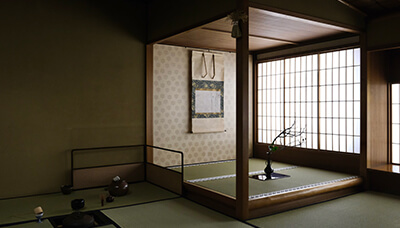
| special tea party Tea Party | ■Special commemorative tea ceremony "TANBA" June 7th (Thu) A special commemorative tea ceremony, "TANBA," will be held in the tea room located above the Kakiden Gallery. The event will be run by Masahiko Ichino and the participating artists working together. Even if you've never participated in a tea ceremony before, you are more than welcome, so please feel free to come and enjoy a cup of tea with tea utensils that have a connection to Tanba. • Date and Time: Thursday, June 7th, with three seating slots available at 10:00, 11:00, and 13:00. - Exhibiting artists, centered around the venue owner, Masahiko Ichino • Location: Shinjuku Kyo-kaiseki Kakiden (Yasuyo Building, 3-37-11 Shinjuku, Shinjuku-ku, Tokyo) The light tea ceremony room "Zangetsu (9th floor)" and the dim sum room "Kokin Salon (6th floor)" Reception and donations: Kakiden Gallery (B2 floor) *Please arrive 15 minutes before your seat is to be seated. Membership fee: 5,000 yen (tax included) *We would appreciate it if you could pay at the reception desk on the day of the event. Dress code: Please feel free to wear whatever you like. • To apply, please contact us by phone, fax, email, or through the application form. We look forward to receiving your applications. <Contact Information> TEL 03-3352-5118 / FAX 03-5269-0335 e-mail gallery@kakiden.com Phone calls are accepted from 11:00 AM to 7:00 PM (excluding gallery closing days). ▸Click here to apply |
| Main exhibited works Main Exhibited Works |
|


| Author name | Shinsui Ichino |
| Work name | Broken vase |
| price | 270,000 yen |
| size | W 28.0 × D 23.0 × H 28.0 (㎝) |


| Author name | Masahiko Ichino |
| Work name | Tamba Akadobe Bentenbori [Sold] |
| price | 270,000 yen |
| size | φ13.2 × H8.3 |


| Author name | Masahiko Imanishi |
| Work name | Black Tamba tea bowl |
| price | 129,600 yen |
| size | W10.4 × D10.3 × H9.5 |


| Author name | Iyo Oogami |
| Work name | Lion-shaped tea bowl [Sold] |
| price | 64,800 yen |
| size | W10.1 × D10.6 × H7.4 |


| Author name | Masafumi Oonishi |
| Work name | Tamba flower vase |
| price | 51,840 yen |
| size | φ16.0 × H18.5 |


| Author name | Katsumi Kako |
| Work name | Tamba tea bowl |
| price | 108,000 yen |
| size | φ11.3 × H7.8 |


| Author name | Ichiji Shimizu |
| Work name | White glazed bowl [Sold] |
| price | 162,000 yen |
| size | W11.7 × D11.8 × H9.8 |


| Author name | Takeshi Shimizu |
| Work name | Salt kiln mizusashi |
| price | 129,600 yen |
| size | φ18.2 × H21.3 |


| Author name | Nobuhito Nakaoka |
| Work name | Flower vase |
| price | 70,200 yen |
| size | W20.6 × D21.2 × H16.0 |


| Author name | Peter Hamann |
| Work name | Blue and white porcelain water container with insect-eaten leaf design [Sold] |
| price | 183,600 yen |
| size | φ20.0 × H14.5 |


| Author name | Shinsui Ichino |
| Work name | Tea caddy (with protective cloth cover) [Sold] |
| price | 162,000 yen |
| size | Φ 5.5 × H 8.8 (㎝) |


| Author name | Masahiko Ichino |
| Work name | Tamba Red Clay Covered Container |
| price | 108,000 yen |
| size | Φ 7.0 × H 10.0 (㎝) |


| Author name | Masahiko Imanishi |
| Work name | Tamba Large Jar |
| price | 594,000 yen |
| size | Φ 43.0 × H 46.5 (㎝) |


| Author name | Iyo Oogami |
| Work name | Dragon-riding boy incense box |
| price | 54,000 yen |
| size | W 7.0 × D 5.0 × H 7.0 (㎝) |


| Author name | Masafumi Oonishi |
| Work name | Tamba tea bowl [Sold] |
| price | 51,840 yen |
| size | Φ 13.0 × H 10.0 (㎝) |


| Author name | Katsumi Kako |
| Work name | Ash-glazed tea bowl "Nagataki" [Sold] |
| price | 108,000 yen |
| size | Φ 10.8 × H 8.8 (㎝) |


| Author name | Ichiji Shimizu |
| Work name | Fuki-doro Shiro Tamba Gold-decorated Incense Burner |
| price | 162,000 yen |
| size | Φ 10.2 × H 12.3 (㎝) |


| Author name | Takeshi Shimizu |
| Work name | Engraved silver-glazed tea bowl [Sold] |
| price | 97,200 yen |
| size | Φ 11.0 × H 8.0 (㎝) |


| Author name | Nobuhito Nakaoka |
| Work name | Colored ash-glazed water container [Sold] |
| price | 91,800 yen |
| size | Φ 17.8 × H 16.2 (㎝) |


| Author name | Peter Hamann |
| Work name | Carved celadon tea bowl [Sold] |
| price | 118,800 yen |
| size | Φ 13.3 × H 6.1 (㎝) |
Regarding sales methods
- ・
- DMWe accept advance reservations for the works displayed on this website before the exhibition begins. We will contact you approximately 20 days before the first day of the exhibition.DMWe ship the items and upload information to this website at almost the same time.
- ・
- For those who are unable to visit our gallery in person, we are happy to accept orders by phone or email.
- ・
- We look forward to receiving your inquiries.